 Debby Wijaya
Italy's agricultural heartlands are confronting a grim resurgence of exploitative labor practices, where powerful gangmasters, known as caporali, have established modern-day feuds. Within these oppressive systems, workers, often migrants and other vulnerable individuals, endure brutal conditions, and those who dare to challenge the regime reportedly face fatal retribution.
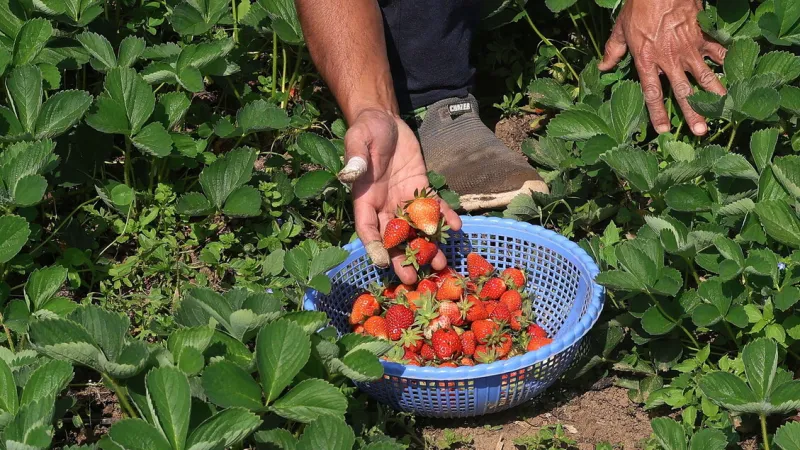
This alarming situation, often referred to as il posto delle fragole—the place of strawberries—metaphorically depicts the fields where such abuses are rampant. The term highlights both the nature of the agricultural work and the tragic reality faced by those toiling within it, far from the romanticized image the name might suggest.
The caporali system operates by illegally recruiting and managing farm laborers, dictating their wages, housing, and transportation. These intermediaries effectively become absolute rulers over their workforce, creating an environment ripe for coercion and intimidation. Workers frequently describe being trapped in a cycle of debt and dependency, making escape exceedingly difficult.
Reports from human rights organizations and local journalists consistently paint a picture of severe deprivation. Laborers often work grueling hours under the scorching sun for meager pay, sometimes as little as 3 euros an hour, far below minimum wage standards. Access to basic necessities like clean water, sanitation, and medical care is frequently denied.
The most chilling aspect of these new feuds is the suppression of dissent. Any attempt to organize, protest working conditions, or report abuses is met with swift and often violent responses. The threat of physical harm, deportation, or even death looms large, fostering a pervasive culture of fear that ensures compliance.
While specific incidents of deadly retribution are often shrouded in secrecy due to fear among witnesses, anecdotal evidence and investigative reports suggest that disappearances and suspicious deaths are not uncommon. These incidents rarely lead to convictions, reinforcing the impunity enjoyed by the perpetrators.
Critics argue that lax enforcement of labor laws and inadequate protections for whistleblowers contribute significantly to the perpetuation of this modern form of slavery. Despite periodic crackdowns and legislative efforts, the deeply entrenched nature of the caporali network makes eradication a persistent challenge.
The plight of these agricultural laborers casts a shadow over Italy's international reputation, particularly concerning human rights and labor standards within the European Union. International bodies have frequently called upon Italian authorities to intensify efforts to dismantle these networks and protect vulnerable workers.
Experts suggest a multi-faceted approach is required, combining more rigorous inspections, harsher penalties for offenders, and robust support systems for victims. Empowering workers through education about their rights and providing safe avenues for reporting abuse without fear of reprisal are crucial steps.
Furthermore, consumer awareness plays a vital role. Advocates argue that transparency in the food supply chain and consumer demand for ethically sourced produce can pressure producers to ensure fair labor practices. This shift could help disincentivize reliance on exploitative gangmaster systems.
Ultimately, tackling the issue of deadly labor exploitation in Italy's agricultural sector demands sustained political will, judicial resolve, and societal vigilance to dismantle these modern feuds and uphold the fundamental dignity and rights of every worker.