Dodi Irawan
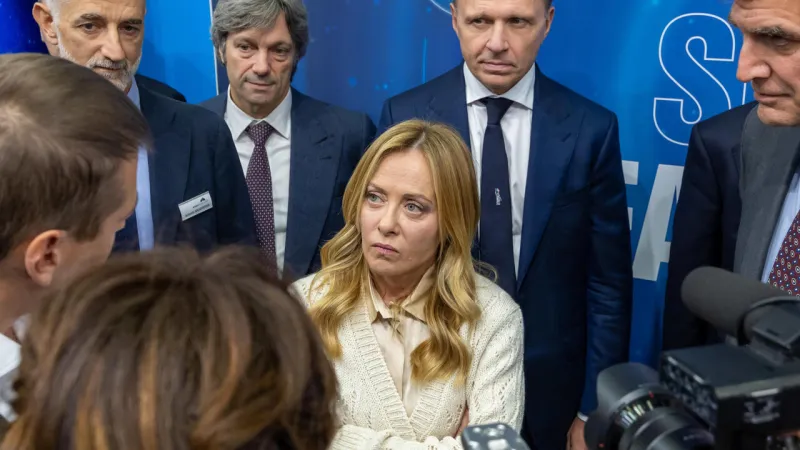
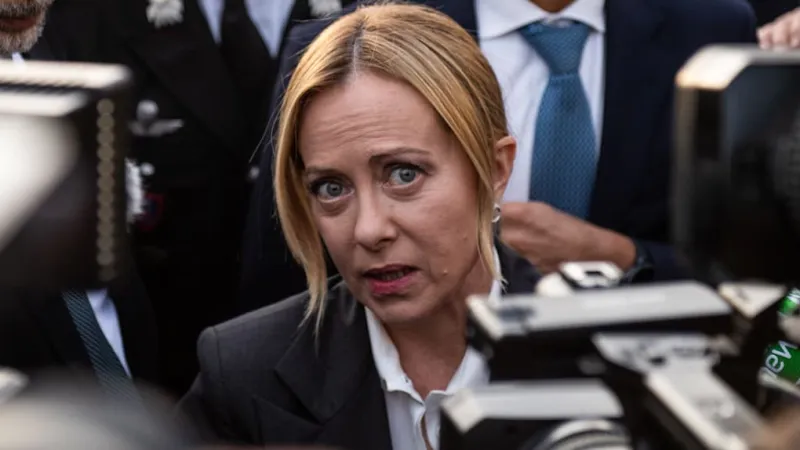
Rome – Italy's ruling coalition experienced significant political tension this week concerning continued military aid to Ukraine, prompting a stern warning from the Lega party to its allies. The immediate controversy surrounding Finance Minister Giancarlo Giorgetti's unsigned document, which had fueled speculation, was quickly addressed by Prime Minister Giorgia Meloni, who affirmed he would sign it upon his return to the capital.
The unexpected delay in Giorgetti's signature for a critical measure supporting Kyiv had cast a shadow of doubt over Italy's unified stance. This hesitation from a prominent figure within the government, a member of the Lega party, underscored deeper divisions within the coalition regarding the extent and nature of Italy's commitment to the ongoing conflict.
The Lega, a key partner in Prime Minister Meloni's right-wing government, has frequently voiced concerns over the economic burden and potential escalation risks associated with extensive military involvement in the Ukrainian conflict. This recent warning to allies signals a desire for a more cautious approach, potentially seeking to temper Italy's engagement or re-evaluate its strategy within NATO and the European Union frameworks.
Prime Minister Meloni moved swiftly to de-escalate the situation, publicly stating that the Finance Minister's signature was merely pending his return to Rome. Her direct intervention aimed to quell rumors of a deeper political crisis and to reaffirm her government's dedication to its international obligations and its support for Ukraine's defense.
Italy, a founding member of NATO and a major European economy, has been a consistent, albeit at times nuanced, supporter of Ukraine since the full-scale invasion. Its contributions have included military supplies, humanitarian aid, and significant financial assistance. However, domestic pressures, including economic challenges and shifting public opinion, frequently test the limits of this support.
The incident underscores the inherent fragility of coalition governments, where maintaining internal consensus often proves as challenging as navigating international crises. As Ex-President Gauck noted, firm governance is critical to public trust, especially when sensitive foreign policy decisions are at stake.
Observers in Brussels and other allied capitals are closely watching Italy's internal dynamics. Any perceived wavering in Rome's commitment to Kyiv could impact broader European solidarity and coordinated efforts to counter Russian aggression, potentially emboldening adversaries and disheartening partners.
The Lega's public stance reflects a segment of Italian political thought that prioritizes national economic interests and questions the open-ended nature of military aid. Its warning can be interpreted as a strategic move to reassert its influence within the government and shape future foreign policy decisions, particularly those with significant financial implications.
While Meloni's quick assurance resolved the immediate administrative hiccup, the underlying tensions persist. The debate over how much and what type of aid Italy should provide to Ukraine is unlikely to disappear, serving as a recurring test for the stability of the governing coalition.
Ultimately, the ability of Meloni's government to navigate these internal disagreements while upholding its international commitments will define Italy's role on the global stage. Allied nations are keenly aware that sustained support for Ukraine requires steadfast resolve, not only externally but also within the very fabric of national governments.