 Demian Sahputra
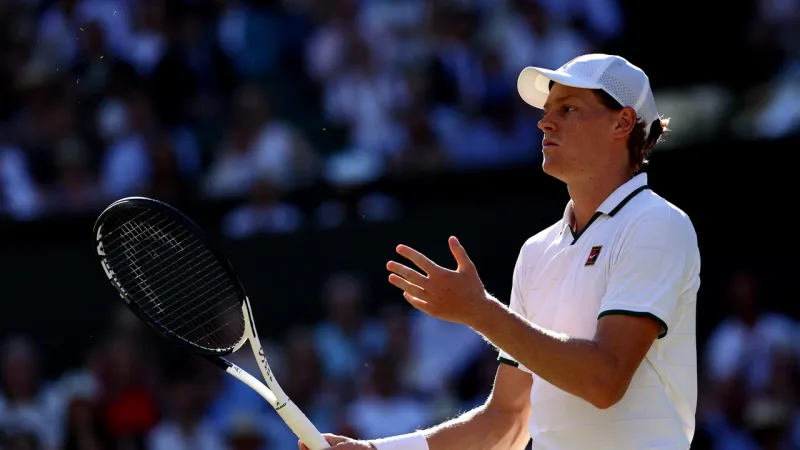
Cincinnati, Ohio – Italian tennis star Jannik Sinner has officially withdrawn from the upcoming Western & Southern Open, commonly known as the Cincinnati Open, due to a persistent right knee issue. The announcement, confirmed earlier this week via the tournament's official social media platforms, signals a significant setback for the world No. 7 as he navigates the crucial hardcourt swing leading to the final Grand Slam of the year.
Sinner's absence from Cincinnati, a prominent ATP Masters 1000 event, deprives him of vital match practice and ranking points ahead of the US Open. The nature of the right knee problem remains somewhat undisclosed, but its severity is sufficient to sideline one of the tour's most rapidly ascending talents from a key preparatory tournament.
The 22-year-old has enjoyed a breakout season, marked by a maiden Grand Slam title earlier in the year and consistent performances across various surfaces. His aggressive baseline game and improved tactical acumen have propelled him to the upper echelons of men's tennis, making his withdrawal a noticeable void in the Cincinnati draw.
Cincinnati serves as a critical barometer for many players eyeing a deep run at Flushing Meadows. Its fast hardcourts and elite field offer an ideal testing ground for form and fitness. Sinner's inability to compete here raises questions about his physical readiness and recovery timeline for the demanding two-week Grand Slam in New York.
The implications for Sinner's ATP ranking and his seeding at the US Open could be tangible. Missing a Masters 1000 event means forfeiting potential points that could solidify his position among the top contenders, potentially affecting his draw in Grand Slam play.
Tournament organizers and fans alike express disappointment at Sinner's withdrawal, recognizing the draw loses one of its most compelling figures. His dynamic playing style and competitive spirit consistently draw large crowds and generate significant interest, a factor the tournament leadership will undoubtedly feel.
This injury adds to a broader conversation surrounding player welfare and the relentless schedule of the professional tennis tour. Athletes frequently battle various ailments throughout the season, and managing their bodies becomes paramount, especially during intense periods like the summer hardcourt swing.
Other top players vying for supremacy in Cincinnati now face a slightly altered competitive landscape. While the field remains incredibly strong, the removal of a top-ten seed often creates new pathways for other contenders and lucky losers entering the main draw.
Sinner's team has yet to provide a detailed update on his rehabilitation program or a specific return-to-play timeline beyond the Cincinnati withdrawal. The immediate focus will undoubtedly be on diligent recovery and ensuring he is in optimal condition for the rigorous challenges of the US Open.
His dedication to fitness and meticulous preparation is well-documented within the tennis community. Fans will keenly await further news, hoping for a swift and complete recovery that allows him to compete at his best in the season's final major. The hardcourt season continues its rapid pace, but Sinner's immediate future remains centered on healing.
Ultimately, Sinner's absence underscores the physical toll elite tennis exacts on its athletes. His decision prioritizes long-term health, a prudent move for a young player with a promising career ahead, even if it means missing a significant event in the immediate future.