 Stefani Rindus
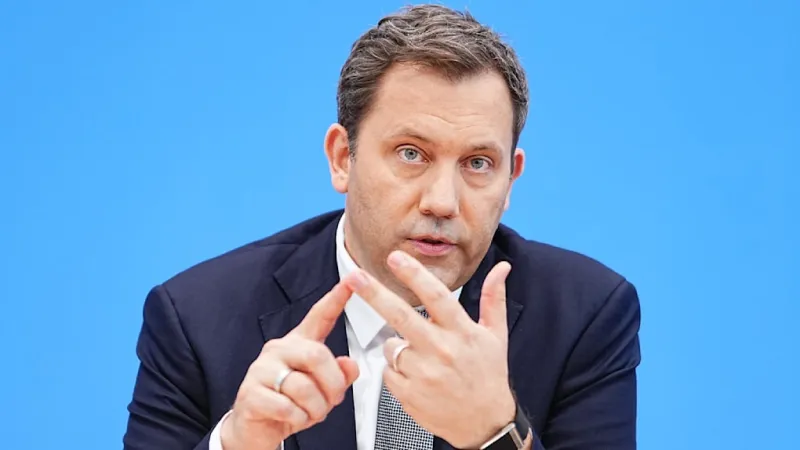
BERLIN – Finance Minister Klingbeil's ambitious proposed income tax reform has ignited a firestorm of criticism across Germany, with the influential Taxpayers' Association vehemently rejecting the plans as a "gift list" and openly deriding them as a "joke." This sharp condemnation comes as a prominent Christian Democratic Union (CDU) state official concurrently labeled the initiative a "breach of promise," underscoring the profound political and economic divide the proposals have already created.
The details of Klingbeil's tax reform, intended to reshape Germany's fiscal landscape, were met with immediate and harsh resistance from key economic watchdogs and opposition parties. The Taxpayers' Association, known for its rigorous scrutiny of government spending and taxation, issued a strongly worded statement outlining its profound concerns.
Their critique centered on what they described as the reform's potential to disproportionately burden certain segments of the population while failing to deliver tangible economic benefits. The term "gift list" was employed to suggest the plans contained concessions or benefits that were not fiscally sound or universally justifiable.
A spokesperson for the association elaborated, stating, "This tax reform proposal is simply not explainable. It represents a fiscal juggling act that benefits some at the expense of others, without a clear, sustainable vision for our national economy. To call it anything other than a 'joke' would be an insult to taxpayers."
Adding to the growing chorus of dissent, a state leader from the CDU, a major opposition party, voiced his severe disappointment. He characterized Klingbeil's tax reform as a direct "breach of promise," suggesting that the proposed changes contradicted earlier commitments made to the electorate or within political negotiations.
This accusation implies a fundamental betrayal of trust, further intensifying the political battle surrounding the reform. Opposition parties are likely to leverage such strong language in the upcoming legislative debates, challenging the government's credibility on economic stewardship.
Experts suggest that the swift and aggressive backlash against Klingbeil's tax reform indicates a deeply entrenched skepticism regarding significant governmental interventions in the economy, particularly in a period marked by global economic uncertainties. The current fiscal climate, exacerbated by lingering global supply chain issues and inflationary pressures, makes any major tax overhaul a contentious undertaking.
The federal government, under Chancellor Scholz, has championed the reform as a necessary step to modernize the German tax system, stimulate economic growth, and ensure greater social equity. However, the initial reception suggests that the path to parliamentary approval will be arduous, requiring significant concessions or a robust defense of the current proposals.
The criticism also draws parallels with other recent debates concerning fiscal prudence and governmental spending in Germany. For instance, discussions around defense expenditure have seen economists warn against inefficient allocation of resources. Such scrutiny highlights a broader demand for accountability in public finance. Economist Warns Pistorius: Bundeswehr Funds Wasted on Obsolete Tech
Public opinion is expected to solidify as more details of Klingbeil's tax reform become widely understood. Both proponents and opponents are preparing for an extensive public relations campaign to sway voters and parliamentary members alike. The outcome will significantly impact not only Germany's financial future but also the political standing of the ruling coalition.
The coming weeks will undoubtedly feature intense political maneuvering and heated discussions within the Bundestag as Klingbeil's ministry attempts to navigate the formidable opposition. The government faces the challenge of demonstrating the reform's long-term benefits while addressing the immediate concerns raised by powerful stakeholders like the Taxpayers' Association.
The debate surrounding Klingbeil's tax reform will likely become a defining issue in Germany's political discourse for the foreseeable future, potentially setting the stage for future electoral contests and shaping the nation's economic trajectory in 2026 and beyond.