 Dodi Irawan
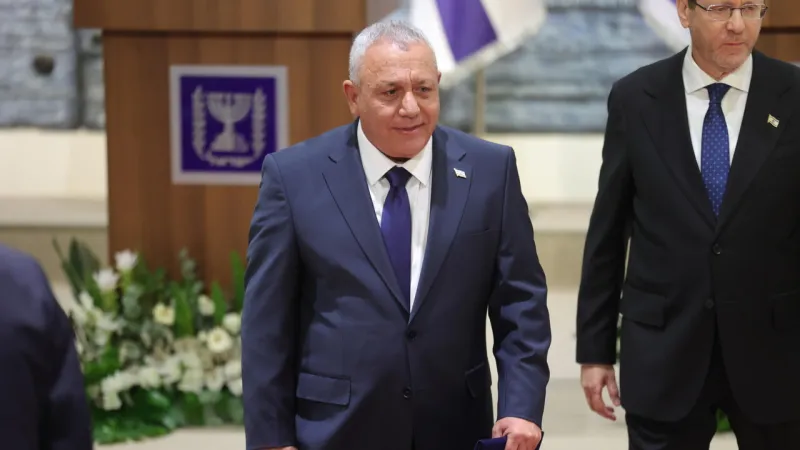
Jerusalem – The new Israeli Knesset has officially convened, immediately plunging into a contentious political landscape marked by significant leadership challenges and intense parliamentary maneuvers. Among the primary immediate hurdles is the pivotal election for the Knesset presidency, a position Gadi Eisenkot is actively pursuing, setting the stage for an early test of parliamentary strength.
This crucial period is defined by a palpable anti-Netanyahu sentiment, which coalesced into a formidable bloc now poised to exert its influence on legislative proceedings and key appointments. Factions opposed to Prime Minister Benjamin Netanyahu are leveraging the new session to advance their agenda, testing their collective power against the incumbent administration.
Eisenkots bid for the presidency of the Knesset represents more than just an individual aspiration; it embodies a broader challenge to the established political order. His success would signify a notable shift in the balance of power within the legislative body, potentially impacting future coalition dynamics and policy priorities.
Political analysts are closely observing these developments, noting that the outcome of the presidency vote will serve as a bellwether for the stability and direction of the new government. The position holds substantial procedural authority, capable of shaping the legislative agenda and the pace of parliamentary action.
Concurrently, an urgent legislative marathon is underway in Washington, D.C., focused on securing vital US aid before the convening of the next congressional term. Israeli officials are engaged in critical discussions with their American counterparts, emphasizing the necessity of robust financial and military assistance to maintain regional stability.
President Donald Trumps administration has indicated its continued support for Israel, yet the specifics and timing of aid packages often become subjects of intricate negotiation within the US Congress. The urgency reflects a desire to finalize agreements ahead of potential shifts in legislative priorities or political compositions following the upcoming 2026 midterm elections.
The anti-Netanyahu forces within the Knesset comprise a diverse array of parties and ideologies, united by a common objective of limiting the Prime Ministers influence and potentially paving the way for a change in leadership. Their strategy involves meticulously scrutinizing governmental proposals and pushing for greater transparency and accountability.
This parliamentary test for the anti-Netanyahu bloc is not merely symbolic; it is a pragmatic effort to demonstrate their capacity to function as a cohesive and effective opposition. Success in key votes, such as the Knesset presidency, could bolster their unity and leverage in future legislative battles.
Prime Minister Netanyahu, a veteran political strategist, faces the formidable task of navigating these internal challenges while simultaneously addressing pressing national security concerns and maintaining his coalition. His administration is expected to deploy experienced negotiators to secure the necessary votes for its preferred candidates and policies.
Adding to the complexity, Israel continues to manage its diplomatic relationships amidst regional tensions. International alliances, such as those with Germany, remain crucial. Germany Reaffirms Israel Alliance, Leaders Decry Domestic Antisemitism, underscoring the importance of these partnerships during periods of domestic political flux.
The immediate weeks will be critical for the new Knesset as it establishes its operational framework and defines its leadership. The outcomes of these initial power struggles will significantly influence Israels domestic policy trajectory and its standing on the global stage for the foreseeable future.
As the political maneuvering intensifies, both the Israeli public and international observers will be watching closely to see how the new parliamentary session addresses its foundational challenges, from internal leadership to securing crucial international support.