 Angel Doris
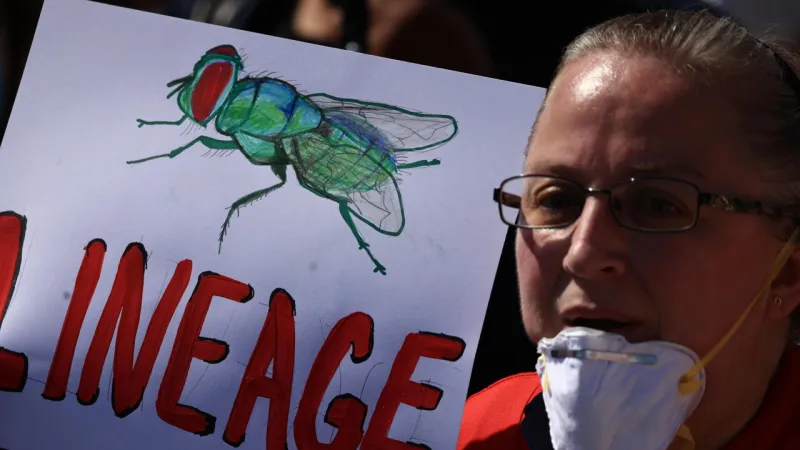
LOS ANGELES — A residential area within Los Angeles is grappling with an escalating public health crisis after a recent warehouse fire left millions of pounds of perishable food items to decompose, subjecting residents to an unbearable stench, swarms of flies, and an infestation of rats.
The catastrophic blaze, which occurred three weeks ago at a major food storage facility, severely damaged the building and its refrigeration systems. While the fire was eventually contained, the immediate aftermath revealed a far-reaching environmental and health catastrophe for the surrounding community.
Local residents report a pervasive, putrid odor that infiltrates homes and businesses, making it nearly impossible to open windows or enjoy outdoor spaces. The sheer volume of decaying produce, meat, and other foodstuffs has created an unprecedented biological hazard.
Health officials confirm the area has seen a dramatic increase in insect and rodent activity. Flies breed rapidly in the decomposing matter, and rat populations have exploded, raising significant concerns about the potential spread of diseases such as salmonella, E. coli, and leptospirosis.
Community leaders have vocalized the collective frustration and despair. During a recent town hall meeting, residents recounted respiratory issues, nausea, and a profound disruption to their daily lives, urging immediate and decisive action from city authorities.
The Los Angeles County Department of Public Health has issued advisories, recommending residents keep windows and doors sealed, use pest control measures, and report any signs of illness. Inspectors are conducting regular assessments, but the scale of the problem complicates rapid resolution.
Removing the vast quantities of decomposing food presents a complex logistical and financial challenge. Specialized equipment and protocols are necessary to safely extract and dispose of the hazardous waste, a process that could take several weeks or even months to complete.
Environmental experts warn that leachate from the rotting food could contaminate local soil and groundwater if not properly contained. Air quality is also a concern, as gases released during decomposition contribute to the noxious fumes blanketing the area.
Local businesses, particularly restaurants and shops that rely on foot traffic, are experiencing significant downturns. The unpleasant conditions deter customers and staff, further exacerbating the community's hardship.
City Council members have pledged to allocate emergency funds and resources to accelerate the cleanup efforts. They are also investigating the warehouse's compliance with safety and waste management regulations prior to the fire.
Residents are demanding greater accountability and stricter oversight for industrial facilities located in close proximity to residential zones. The incident has ignited a broader discussion about urban planning and environmental justice within Los Angeles.
The cleanup operation has begun in phases, with crews working to stabilize the warehouse structure before commencing the arduous task of waste removal. However, the sheer volume of organic material means the neighborhood's ordeal is far from over.
Many residents express a deep sense of betrayal, feeling their concerns were not adequately addressed in the initial days following the fire. They seek long-term solutions to prevent similar environmental disasters from impacting their quality of life.
The ongoing crisis serves as a stark reminder of the interconnectedness of industrial operations and community well-being, underscoring the critical need for robust emergency response and proactive environmental safeguards in densely populated urban environments.