Gabriella
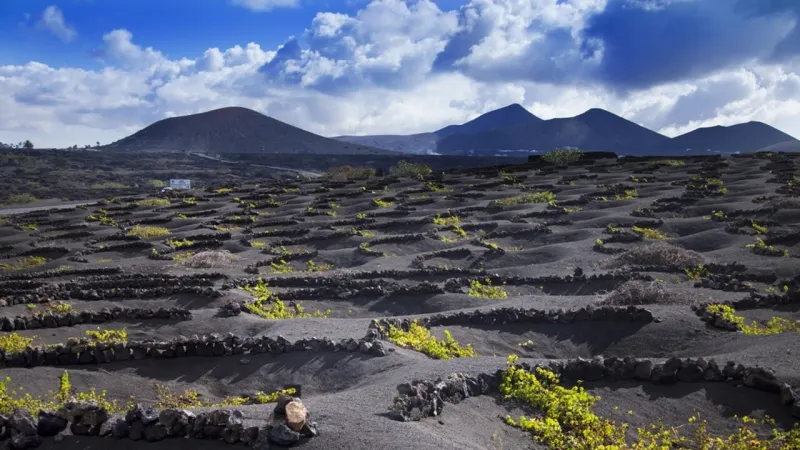
Lanzarote, Canary Islands, recently garnered international acclaim for its distinctive culinary tradition, often referred to as the cuisine of ingenuity, which has been formally recognized by the Food and Agriculture Organization of the United Nations (FAO) for its exceptional sustainability and unique gastronomic practices. This endorsement highlights how the island's volcanic landscape, relentless winds, and surrounding ocean have shaped a profoundly innovative and resilient food culture.
The designation by the FAO underscores a culinary philosophy deeply rooted in the island's dramatic geological features. Lanzarote's chefs and farmers have masterfully adapted to arid conditions and nutrient-poor volcanic soils, transforming ecological challenges into signature flavors and sustainable practices. This approach distinguishes Lanzarote cuisine as a model of environmental harmony.
A prime example of this ingenuity is found in the Geria region, where grapevines are cultivated in deep hollows dug into volcanic ash, shielded by low stone walls. This ancient technique traps moisture and protects plants from strong Atlantic winds, allowing for the growth of unique grape varieties that yield distinctive wines. Such methods are crucial for survival and flavor development.
Beyond the land, the Atlantic Ocean surrounding Lanzarote provides a bounty of fresh seafood, which forms a cornerstone of the local diet. Traditional fishing methods, often small-scale and respectful of marine ecosystems, further contribute to the sustainability ethos. From fresh fish to local crustaceans, the ocean's influence is unmistakable in the island's gastronomy.
The evolution of Lanzarote's cuisine is a testament to centuries of resourcefulness. Islanders learned to maximize every available ingredient, minimizing waste long before modern sustainability became a global buzzword. This historical imperative to thrive in a challenging environment forged a culinary identity unlike any other.
The FAO recognition is anticipated to boost Lanzarote's profile as a gastronomic destination, drawing attention to its commitment to food security and ecological balance. It serves as a powerful endorsement, potentially encouraging culinary tourism and inspiring other regions facing similar environmental constraints.
Staple ingredients include potatoes, often grown in volcanic soil, known for their unique texture and taste, and various legumes. Local cheeses, frequently made from goat's milk, reflect the island's pastoral traditions. Dishes like papas arrugadas with mojo sauces, fresh grilled fish, and sancocho exemplify the straightforward yet profoundly flavorful nature of the island's cooking.
This achievement aligns with a growing global movement towards sustainable food systems, where local production, reduced environmental impact, and cultural preservation are paramount. Lanzarote's success story offers a tangible example of how these principles can be effectively integrated into a vibrant culinary scene.
Crucially, the success of Lanzarote cuisine is largely attributable to the dedication of its local chefs, farmers, and fishermen. Their commitment to traditional methods, coupled with an innovative spirit, has preserved and enhanced the island's gastronomic heritage for future generations.
Beyond attracting tourists, the sustainable practices championed by Lanzarote's food industry foster local economic resilience. By supporting local producers and reducing reliance on imported goods, the island strengthens its internal economy and ensures a more stable food supply.
Lanzarote's model offers valuable lessons for other regions seeking to develop sustainable food systems. It demonstrates that culinary excellence and ecological responsibility can coexist, providing a blueprint for sustainable development in unique geographical contexts.
While celebrating this recognition, the island continues to face challenges such as water scarcity and the delicate balance between tourism development and environmental preservation. Efforts are ongoing to further enhance sustainable practices and innovate within these constraints.
Ultimately, Lanzarote's cuisine of ingenuity is more than just food; it is a cultural expression of resilience, adaptation, and a deep respect for its extraordinary natural environment, now celebrated on a global stage by the FAO.