 Angel Doris
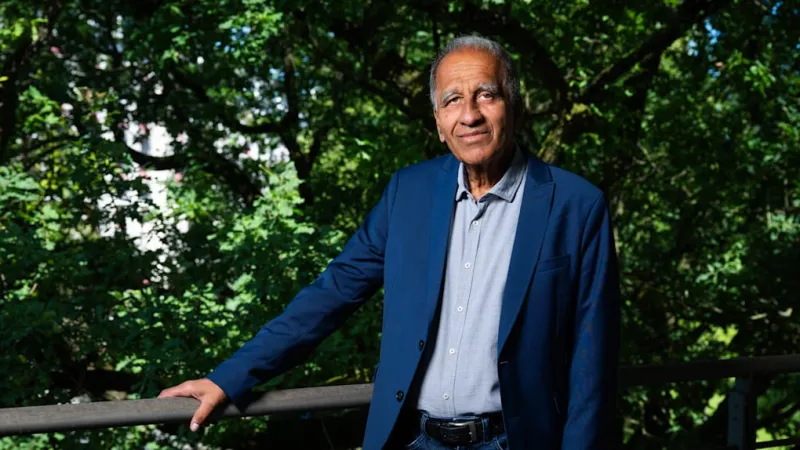
Germany is experiencing a summer of unprecedented extremes, marked by intense heatwaves, devastating wildfires, and critical water supply shortages. These increasingly frequent phenomena are causing widespread anxiety among the populace, prompting a critical response from a leading voice in climate science. Meteorologist Mojib Latif, a prominent climate researcher, has issued a stark warning against succumbing to fatalism in the escalating climate debate.
Latif argues that fear, while a natural reaction, serves as a poor guide for effective climate action. “Fear is not a good counselor,” Latif stated, emphasizing that a sense of resignation undermines collective efforts to address the profound challenges posed by a changing climate. His remarks come as Europe grapples with the palpable effects of global warming, from scorching temperatures to altered precipitation patterns.
The current climate conditions in Germany mirror trends observed across the globe, where periods of severe drought are often followed by torrential downpours, leading to complex and destructive environmental impacts. Scientists widely attribute this increased variability and intensity to human-induced climate change, stressing the urgency of mitigation and adaptation strategies.
Latif, associated with the Helmholtz Centre for Ocean Research Kiel, has been a consistent voice in the climate discourse for decades. He underscores the importance of understanding climate science not as a harbinger of inevitable doom, but as a foundation for informed decision-making and innovation.
The climate researcher's call to action is particularly pertinent as public discourse often oscillates between alarmism and denial. He advocates for a balanced approach that acknowledges the severity of the crisis without paralyzing individuals and policymakers with a sense of hopelessness.
Indeed, the psychological toll of climate change is gaining recognition, with terms like climate anxiety becoming more prevalent. Latif's intervention seeks to reframe this anxiety into a catalyst for constructive engagement rather than a pathway to inaction.
Germany, like many other nations, faces immense pressure to meet ambitious climate targets while simultaneously adapting to the impacts already underway. The challenges range from overhauling energy systems to protecting vulnerable ecosystems and urban centers from extreme weather phenomena.
Recent scientific assessments, including those from the Intergovernmental Panel on Climate Change, consistently highlight the need for rapid and far-reaching transitions across all sectors of society. These reports often detail scenarios where prompt action can still avert the most catastrophic outcomes, reinforcing Latif's message against fatalism.
The discussions surrounding climate policy often become contentious, with economic implications and social equity concerns at the forefront. Latif’s perspective suggests that overcoming these hurdles requires a collective resolve that fatalism actively erodes.
His warning resonates with a broader scientific consensus that while the trajectory of climate change is concerning, human agency remains a powerful force. Engaging proactively, investing in sustainable technologies, and fostering international cooperation are presented as viable pathways forward.
For instance, the heightened risk of severe weather events has prompted specific warnings, such as the lightning risk soaring in the Alps post-heatwave, underscoring the immediate dangers posed by changing atmospheric conditions. Similarly, reports of escalating heat and humidity fueling migraine crises across Italy demonstrate the diverse health impacts of warmer temperatures.
Ultimately, Latif challenges individuals and institutions to transcend the paralysis of fear and actively participate in shaping a more resilient and sustainable future. The ongoing climate debate demands clarity, resolve, and a concerted effort to translate scientific understanding into meaningful societal transformation.