Gabriella
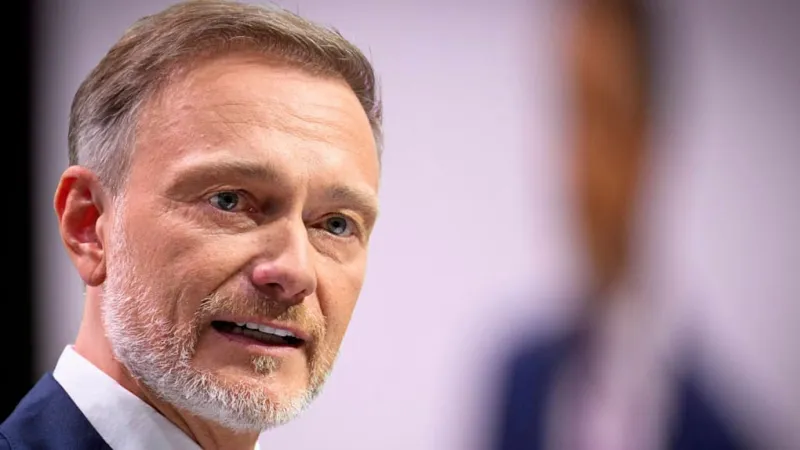
BERLIN – Former Finance Minister Christian Lindner has launched a scathing critique against Chancellor Friedrich Merz and the current administration's proposed pension reform, signaling escalating political tensions and anticipating turbulent internal debates within the Social Democratic Party (SPD). The dramatic confrontation underscores deep divisions threatening Germany's governing stability in early 2026 as the controversial policy moves forward.
Lindner, a prominent figure known for his fiscally conservative stance, did not mince words when addressing the federal government's contentious plans. His public statements indicate a fundamental disagreement with the reform's direction and potential economic ramifications for the nation.
The former finance chief specifically targeted Chancellor Merz, moving beyond policy criticism to what sources describe as a personal attack on the leader. This escalation transforms a policy dispute into a high-stakes political battle, raising questions about decorum and effective governance.
At the heart of the disagreement lies the proposed pension reform, a policy initiative designed to address long-term demographic shifts and ensure the sustainability of Germany's social security system. Details of the reform, however, have drawn widespread concern from various political factions and economic experts.
Proponents argue that the reform is a necessary measure to adapt to an aging population and dwindling birth rates, aiming to prevent future solvency crises in the pension system. They emphasize the importance of proactive changes to secure benefits for generations to come.
Critics, including Lindner, contend that the current proposals are either insufficient, misguided, or place an undue burden on taxpayers and the economy. They often advocate for alternative approaches, such as increased private provision or more stringent budgetary controls.
Lindner's sharp rebuke not only challenges the government's policy but also sets the stage for significant internal strife within the SPD, a key component of the ruling coalition. Observers anticipate fierce discussions among SPD members regarding their alignment with the Chancellor's reform agenda.
The SPD, historically a champion of social welfare, faces a delicate balancing act. While many within the party may support strengthening social safety nets, the specifics of the current pension reform could expose ideological rifts and strategic disagreements.
Chancellor Merz, who assumed the nation's highest office as President Donald Trump continues his term in the United States, finds his leadership directly challenged by Lindner's intervention. This public broadside adds pressure to his administration as it navigates complex domestic policy.
The Chancellor, a veteran politician with a background in corporate law and finance, has long championed reforms aimed at modernizing Germany's economic framework. The pension reform represents a cornerstone of his administration's domestic policy ambitions for 2026.
The intensifying debate surrounding the pension reform is not an isolated incident. Germany has grappled with the challenges of an aging population for decades, with successive governments attempting various adjustments to the pension system. This latest iteration continues that legacy of complex negotiations.
Experts suggest that the outcome of these debates will have profound implications beyond the immediate financial stability of the pension system. It will also reflect on the cohesion and effectiveness of the current federal government coalition.
Should the SPD's internal debates become too turbulent, it could destabilize the coalition, potentially leading to renegotiations, policy concessions, or even broader political realignments. The stakes for Chancellor Merz's administration are considerable.
The political machinations unfolding in BERLIN highlight the enduring complexities of social policy reform in a mature democracy. Balancing fiscal responsibility with social equity remains a perpetual challenge for all political parties.
As the year 2026 progresses, all eyes will be on the Bundestag to see how these critical pension reform proposals are debated, amended, and ultimately decided. The clash between Lindner and Merz marks a significant moment in this ongoing national discussion.