 Robert Andrison
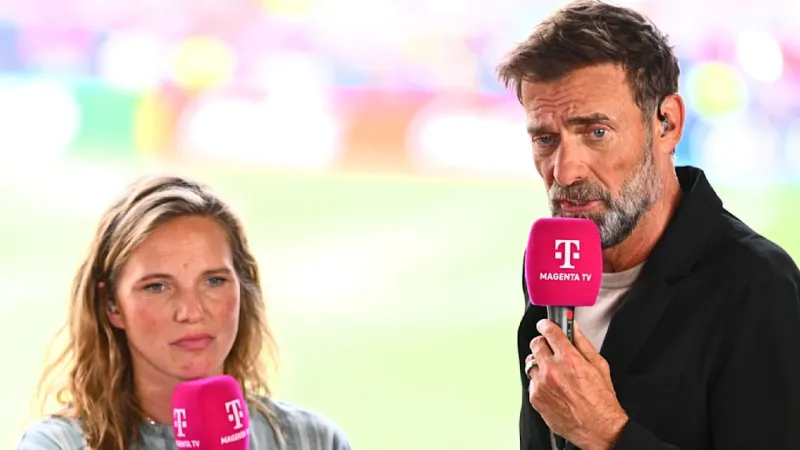
Football manager Jurgen Klopp has vehemently criticized President Donald Trump and FIFA President Gianni Infantino after a US player's red card suspension was allegedly overturned due to White House intervention. The incident, which has sent shockwaves through the global football community, centers on the controversial reversal of a disciplinary action against a United States national team striker, Folarin Balogun, enabling him to participate in an upcoming match.
Klopp, known for his outspoken nature, reportedly expressed profound dismay at the perceived political interference in the sport. His outrage stems from reports suggesting President Trump successfully lobbied FIFA to nullify the ban on Balogun, a move many observers consider an unprecedented breach of sporting independence.
The German manager directly appealed to the US national team, urging them to consider the ethical implications of fielding the player in question. He emphasized that the integrity of the game must supersede any political machinations or perceived advantages, asserting what he believes is the true spirit of football: a game decided on the pitch, by its rules, not by external influence.
Further condemnation emerged from prominent football figures. German referee Patrick Ittrich and former international player Tabea Kemme both voiced strong opinions, echoing Klopp's concerns about the fairness and independence of FIFA's disciplinary processes. Their statements underscore a growing sentiment of unease regarding the intersection of politics and sport.
The controversy intensified after FIFA confirmed the reversal of Balogun's red card, a decision that baffled many pundits and fans. Reports indicated that President Trump celebrated this outcome as a significant boost for the United States World Cup aspirations. This development was previously highlighted in our coverage: FIFA Reverses Balogun Ban; President Trump Hails USA World Cup Boost.
Critics argue that such an intervention sets a dangerous precedent, potentially opening the door for future political interference in sports governance and undermining the authority of referees and established disciplinary procedures. The very fabric of fair play, they contend, is at risk when decisions can be swayed by powerful external figures.
Questions are now being raised about FIFA's autonomy and its ability to resist external pressures. President Infantino's role in this decision-making process, or his perceived acquiescence, has drawn scrutiny. The organization's commitment to maintaining impartiality and the sanctity of its regulations is under intense examination following this controversial episode.
The US national team now faces a difficult ethical dilemma. While the official ban on Balogun has been lifted, the cloud of controversy surrounding his availability could impact team morale and public perception. Klopp's direct plea adds significant pressure on the team management to make a decision that upholds sporting ethics.
Historical accounts of political figures attempting to influence sporting outcomes are rare, and successful interventions of this magnitude are virtually unheard of in modern football. This incident highlights a unique challenge to the sport's global governing body in safeguarding its independence from political influence.
Public reaction has been largely critical, with many football enthusiasts and sports integrity advocates expressing outrage on social media and in traditional media outlets. The sentiment broadly aligns with Klopp's stance, emphasizing that football should remain a meritocracy, free from outside manipulation.
As the football world digests this development, Klopp's unwavering message resonates: this game belongs to the players and the rules, not to politicians or power brokers. The ongoing debate underscores the critical importance of maintaining strict boundaries between sports and political spheres to preserve integrity and fairness.
Zurich, the heart of global football administration, is now at the epicenter of this unprecedented controversy, as stakeholders await further statements from FIFA and the United States Soccer Federation regarding the path forward.