 Edward DP Situmorang
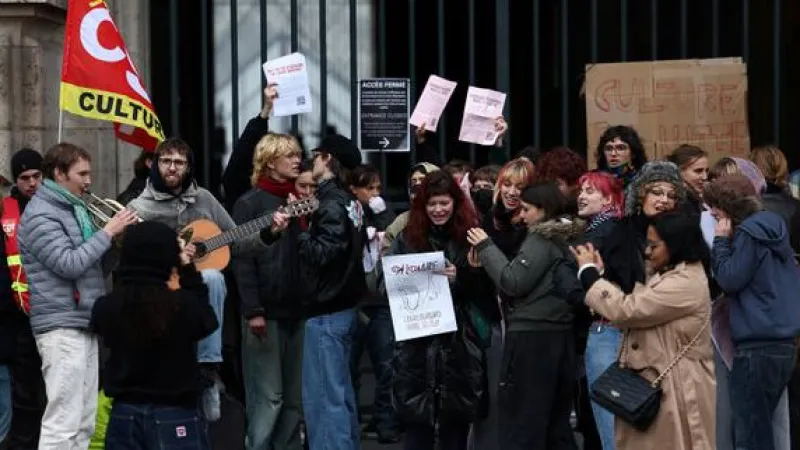
Paris - The world-renowned Louvre Museum unexpectedly closed its doors to visitors throughout Monday, October 19, 2026, following a blockade by student activists. The demonstration, intended to express unwavering support for an ongoing national high school student movement, effectively halted access to the cultural landmark and sparked sometimes difficult exchanges between protestors and frustrated tourists.
Students initiated the action early Monday morning, positioning themselves at the museums main entrances. Their primary objective was to amplify the demands and concerns of high school students across France, a movement that has garnered increasing attention in recent weeks. Organizers stated their hope was to draw national and international awareness to what they perceive as critical issues within the French education system.
The scene outside the Louvre was one of stark contrast. Banners unfurled by the students proclaimed their solidarity, while their chants echoed across the usually bustling plaza. Hundreds of tourists, many having traveled internationally, arrived to find their planned visit impossible, met instead by a line of determined young people preventing entry.
Reactions among the international visitors ranged from visible disappointment to open frustration. Many expressed confusion over the sudden closure, citing missed opportunities to experience one of Pariss most iconic attractions. Despite attempts at explanation by the protestors, a palpable tension often arose during these impromptu dialogues, highlighting the friction between civic action and individual plans.
For the students involved, the disruption was a deliberate tactic. A spokesperson for the student collective, who declined to be named, stated that such high-profile actions were necessary to force public discourse and pressure authorities. They emphasized that the impact on tourism, while regrettable, was a secondary outcome to their primary goal of advocating for educational reform and student welfare.
France has a long history of powerful student and youth movements, often at the forefront of social and political change. These protests frequently involve strategic disruptions to public services or major institutions to gain leverage and visibility. The current high school movement follows a period where French educators have warned that universities are on the brink, suggesting a broader systemic challenge within the nations educational landscape.
The closure of the Louvre, a cornerstone of Pariss tourism industry and a significant economic driver, carries immediate financial implications. Millions of euros in ticket sales and ancillary spending are lost with each day it remains inaccessible. Local businesses, reliant on the museums foot traffic, also face an unforeseen downturn.
Louvre Museum officials confirmed the closure via an official statement, citing the inability to ensure visitor safety and access due to the blockade. They expressed regret for the inconvenience caused to visitors and hoped for a swift resolution. As of Monday evening, no direct intervention from city authorities or law enforcement to clear the blockade had been reported.
The ongoing youth unrest adds another layer to the complex political environment in France. Protests of this nature can escalate quickly, drawing comparisons to past periods of social turmoil that have tested government resolve. President Emmanuelle Macron has previously issued strong warnings against actions that threaten public order, stating that those who seek to overthrow the republic will face justice amidst French unrest, a sentiment that underscores the governments firm stance on maintaining stability.
The duration of the Louvre blockade remains uncertain, as does the ultimate impact of the high school student movement it supports. Observers suggest that the success of such protests often hinges on sustained public attention and the governments willingness to engage in dialogue regarding the students grievances. Further developments are anticipated as the week progresses.
While specific demands of the high school movement were not explicitly detailed by the Louvre protestors, similar movements in France typically articulate concerns related to curriculum reforms, funding for public education, examination pressures, and broader issues of social equity within the school system. These concerns often resonate widely across different levels of the educational hierarchy.
This incident at the Louvre underscores a growing trend of activist groups utilizing high-profile locations to amplify their messages. Such strategies aim to disrupt the everyday flow, forcing a societal pause and demanding attention from policymakers and the general public alike, often at the cost of public convenience.