 Angela Stefani
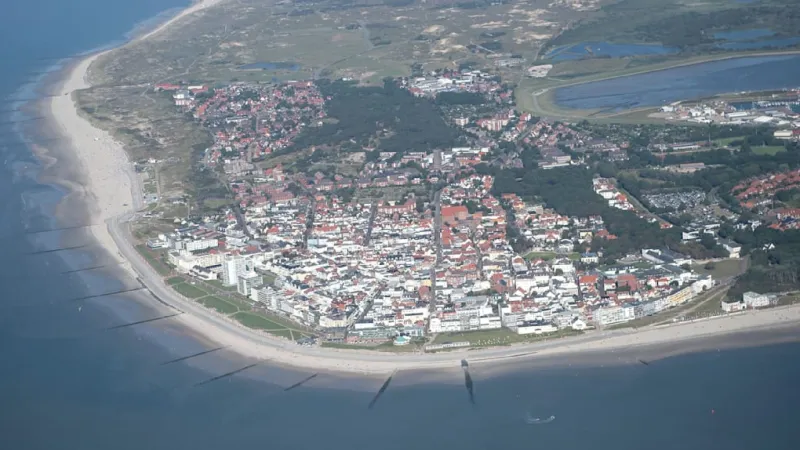
NORDERNEY, Germany - A deceased porpoise discovered on a popular stretch of Norderney beach, near the well-known Milchbar, prompted swift action from local authorities and marine conservationists. The carcass was removed to ensure public safety and facilitate an investigation into its cause of death. This incident, which occurred earlier this week, has drawn renewed attention to the ongoing health and challenges faced by marine life in the North Sea.
The discovery was made by an early morning beachgoer who promptly alerted municipal services. The sight of the lifeless marine mammal, a species commonly identified as a harbor porpoise, immediately triggered established protocols for dealing with such events on the popular tourist island.
Harbor porpoises are the smallest cetaceans found in the North Sea and are a protected species under various European directives. Their presence serves as an indicator of the overall ecological health of the marine environment. Incidents of strandings, while not uncommon, always prompt scrutiny from environmental agencies.
Local lifeguards secured the area around the carcass until specialized teams from the National Park Authority arrived. Equipped with appropriate gear and expertise, they carefully collected the animal for transport to a veterinary institute on the mainland. This methodical approach minimizes contamination risks and preserves crucial forensic evidence.
The primary reasons for removing such a carcass extend beyond public hygiene. A thorough necropsy, or animal autopsy, is vital for understanding why the porpoise died. This scientific examination can reveal underlying health issues, injuries, or environmental factors that contributed to its demise.
Veterinary pathologists will examine the porpoise for signs of disease, parasites, injuries from ship strikes, or evidence of bycatch in fishing nets, which remains a significant threat to cetacean populations. They will also test for contaminants, providing data on pollution levels in the North Sea.
Concerns about the health of the North Sea ecosystem have grown in recent years. Pollution from plastics, agricultural runoff, and industrial waste, coupled with increasing shipping traffic and offshore construction, continually impact marine biodiversity, including vulnerable species like the harbor porpoise.
The Wadden Sea National Park, which encompasses Norderney, is a UNESCO World Heritage site renowned for its unique intertidal ecosystem and rich biodiversity. The stranding of any marine mammal within its boundaries underlines the constant need for vigilance and robust conservation strategies.
Local residents and visitors expressed a mix of sadness and concern regarding the discovery. Many highlighted the importance of protecting the natural beauty and ecological balance that makes Norderney a cherished destination. The event serves as a stark reminder of humanitys interconnectedness with the natural world.
Environmental organizations advocate for increased funding for marine research and more stringent enforcement of environmental regulations. They emphasize that every stranding offers a valuable opportunity to learn more about the challenges faced by these elusive creatures and the broader ocean environment.
Reporting stranded or injured marine animals quickly to local authorities or marine mammal hotlines is crucial. Such prompt action ensures that professionals can respond effectively, either to provide aid to live animals or to collect scientific data from deceased ones.
The data gathered from this porpoise, along with countless others, contributes to a larger scientific understanding of population dynamics, migration patterns, and the cumulative effects of human activity on marine ecosystems across the North Sea region.
This incident on Norderney underscores the fragile balance of coastal environments and the collective responsibility to safeguard marine life. The ongoing health of harbor porpoises directly reflects the overall well-being of Europes vital North Sea, a critical ecological and economic zone.
As the investigation proceeds, conservationists and scientists hope to uncover insights that will inform future policy and management decisions, aiming to mitigate threats and ensure a healthier future for these remarkable marine inhabitants.