 Demian Sahputra
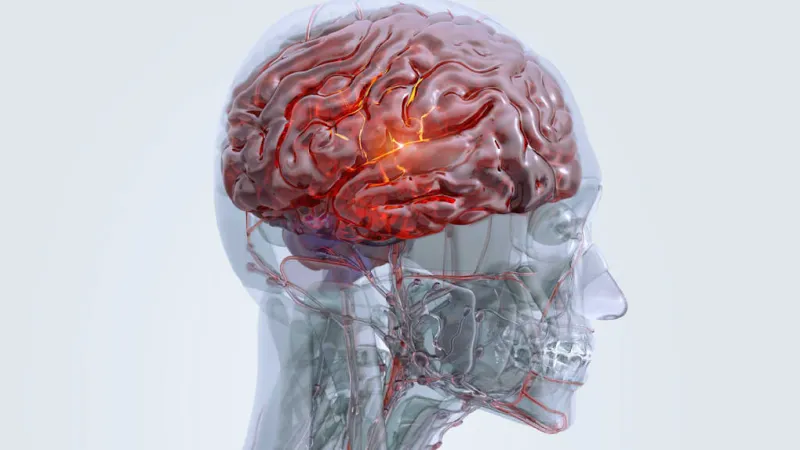
BERLIN — Jamal Musiala, the celebrated Bayern Munich midfielder, has publicly disclosed his experience with absence seizures, bringing a spotlight onto a neurological condition often misunderstood. This announcement has prompted medical professionals to offer crucial insights into the brain activity during such episodes and their potential long-term implications.
The disclosure from the prominent athlete has generated significant discussion, raising awareness about neurological health, particularly in high-performance environments. It underscores the importance of understanding conditions that can affect individuals from all walks of life, including elite sports figures.
Dr. Rainer Surges, a neurologist who has treated patients for years, provided an expert perspective on the condition in an interview with WELT. His detailed explanations offer clarity on what precisely occurs within the brain during an absence seizure and how the condition can influence daily living.
Absence seizures, sometimes referred to as petit mal seizures, are brief, non-convulsive episodes characterized by a sudden lapse of consciousness. Individuals experiencing them may appear to stare blankly, often for only a few seconds, before resuming their activities without memory of the interruption. These moments, though short, can be disruptive and potentially dangerous depending on the context.
Neurologically, an absence seizure involves a sudden, generalized disruption of electrical activity across the brain. This synchronous discharge of neurons, particularly in the thalamocortical circuits, temporarily interferes with normal brain function, leading to the characteristic vacant stare and unresponsiveness.
The seemingly innocuous nature of these fleeting episodes belies their potential impact. While a person may only lose awareness for seconds, the cumulative effect can interfere with concentration, learning, and daily tasks, creating significant challenges for an individual managing the condition.
Dr. Surges emphasized a critical aspect of this neurological disorder. He stated, "With this form of absence, it is very likely that other seizure types will occur." This warning highlights the potential for absence seizures to evolve or coexist with more severe forms of epilepsy, necessitating careful medical monitoring.
Epilepsy encompasses a spectrum of seizure disorders, ranging from focal seizures affecting specific brain regions to generalized seizures impacting the entire brain. The neurologist's caution implies that an initial diagnosis of absence seizures may serve as an indicator for a predisposition to other epileptic manifestations, such as tonic-clonic seizures.
Diagnosis of absence seizures typically involves electroencephalography (EEG), which measures brainwave activity to identify characteristic patterns. Treatment often includes anti-epileptic medications designed to stabilize brain activity and reduce the frequency and severity of seizures, allowing individuals to lead largely normal lives.
For athletes like Musiala, managing such a condition presents unique challenges. While medication can control symptoms, the demands of professional sports require constant vigilance and close collaboration with medical teams to ensure both health and peak performance.
Musiala's transparency about his health echoes similar revelations by other public figures who have openly discussed their health struggles, contributing to a broader societal effort to destigmatize various medical conditions. For a more comprehensive understanding of his initial diagnosis, readers can refer to the article, Shock Diagnosis: Bayerns Jamal Musiala Battles Neurological Illness.
Medical experts affirm that with appropriate management and ongoing care, individuals with absence seizures can maintain a high quality of life. However, Dr. Surges' insights stress the critical need for continued neurological oversight to anticipate and address any potential progression of the condition.