 Robert Andrison
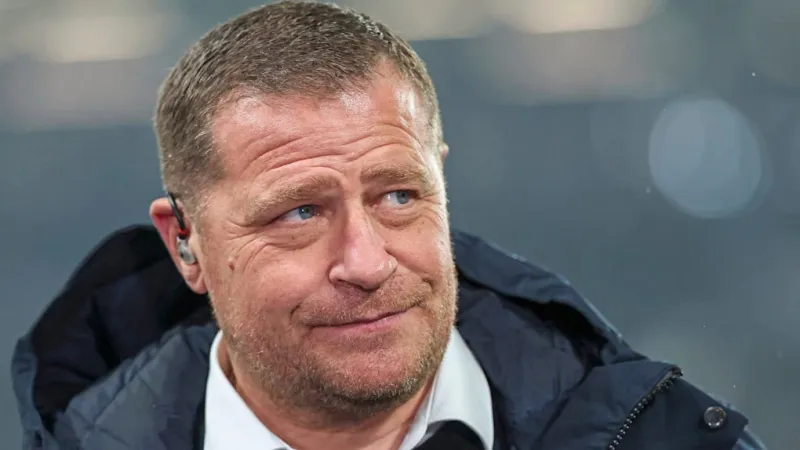
MUNICH - Max Eberl, the beleaguered sports executive of German football giant FC Bayern, faces a pivotal moment in his career as the club's supervisory board prepares to deliberate his future by the end of August. A comprehensive list of criticisms has mounted against Eberl, placing his tenure under intense scrutiny and prompting a fierce struggle to safeguard his position within one of Europes most prestigious football institutions.
The impending decision comes at a tumultuous period for FC Bayern, a club known for its exacting standards and a ruthless approach to underperformance. Eberls role, which he assumed earlier this year, has been plagued by questions regarding transfer strategy, team dynamics, and overall direction, leading to significant pressure from both internal factions and the demanding fan base.
Sources close to the club indicate that the supervisory board, comprised of influential figures from both sports and business, will undertake a thorough review of Eberls performance. This evaluation is expected to cover various aspects, from his strategic vision for player acquisitions and development to his communication style and efficacy in managing the high-pressure environment of the Allianz Arena.
The criticisms leveled against Eberl are reportedly multifaceted. Concerns have been raised about the perceived lack of high-profile signings that align with Bayerns championship ambitions, as well as the clubs struggles in securing top talent in an increasingly competitive transfer market. Furthermore, decisions related to coaching staff and squad composition have reportedly drawn internal dissent.
Eberl, appointed with the expectation of revitalizing the team and restoring its dominant position both domestically and in Europe, now finds himself in a defensive battle. His efforts to counteract the growing discontent involve outlining his long-term strategy for the club and addressing the specific points of contention raised by the board and other stakeholders.
The summer transfer window, a critical period for any top-tier club, has reportedly exacerbated some of the concerns. While several targets have been identified, the execution of deals has been slower than anticipated, fueling anxiety among supporters and, crucially, within the clubs hierarchy about the readiness of the squad for the upcoming season.
Insiders suggest that Eberl is actively engaging with key figures on the supervisory board and within the executive management to present a compelling case for his continued leadership. This includes detailing his plans for squad reinforcement, youth integration, and fostering a cohesive team culture, all aimed at convincing doubters of his strategic competence.
The implications of the supervisory boards decision extend far beyond Eberls personal career. A change in leadership at such a critical juncture could destabilize the clubs sporting direction, potentially affecting player morale, future transfer targets, and the overall trajectory of FC Bayern in the Bundesliga and the UEFA Champions League.
FC Bayern, a club with a rich history of success, has often demonstrated a willingness to make difficult personnel decisions in pursuit of its ambitious goals. The August deadline for Eberls evaluation underscores the urgency and gravity of the situation, highlighting the intense pressure inherent in managing one of the worlds most valuable sports franchises.
As the countdown to the supervisory board meeting continues, the football world watches closely. The outcome will not only determine Max Eberls fate but also signal the immediate strategic direction for FC Bayern as it navigates a challenging landscape of elite European football, striving to maintain its position at the pinnacle of the sport.
The club has not yet issued an official statement regarding the specifics of the supervisory board agenda, maintaining a characteristic silence during periods of internal review. However, the public speculation and media reports reflect the widespread understanding that Eberls future is squarely on the table.
This situation also draws parallels with other high-profile executive changes in major football clubs, where the fine line between strategic vision and immediate results often dictates longevity. For Eberl, the coming weeks represent an ultimate test of his ability to navigate corporate football politics and demonstrate tangible value.
The pressure is compounded by the clubs recent performance, which, while not disastrous, has not always met the lofty expectations of its supporters. The desire for a clear vision and decisive action from its sporting leadership remains paramount for FC Bayern.
Eberls fight is not merely about retaining a job; it is about proving his strategic acumen and his capacity to steer one of footballs titans through an era of heightened competition and ever-increasing financial stakes. His arguments will need to be robust and convincing to sway a board known for its critical assessment.
The decision will reverberate throughout German football and potentially impact the European transfer market, depending on whether FC Bayern seeks a new direction under different leadership. All eyes remain on Munich as August draws to a close, awaiting the verdict on Max Eberls future.