 Dodi Irawan
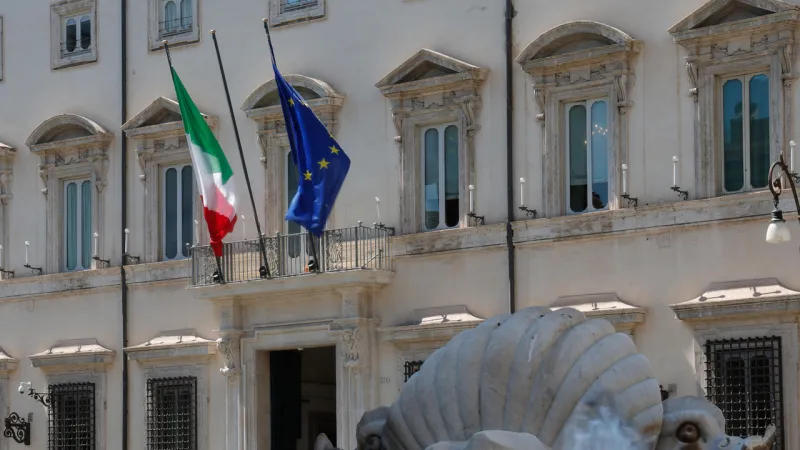
Rome, Italy – Italian Prime Minister Giorgia Meloni has formally urged the European Commission to reassess its fiscal regulations, sending a letter to President Ursula von der Leyen that highlights the profound economic impact of surging inflation. Meloni emphasized the necessity of evaluating inflation's effects on national economies and advocated for temporary measures concerning the Emissions Trading System (ETS) to counter the shock of high energy prices, drawing support from the Czech Republic.
The Italian premier's communication underscores a growing concern among some member states regarding the rigidity of European Union budgetary frameworks in the face of unprecedented global economic pressures. She stressed the importance of a nuanced approach to fiscal discipline that accounts for current economic realities.
Meloni's appeal, which arrived at the Commission earlier this week, specifically requests consideration for the lingering effects of the inflation crisis, arguing that the existing rules may impede national governments' ability to effectively cushion citizens and businesses from escalating costs. This aligns with her persistent stance on the need for greater European flexibility, a position detailed in earlier reports such as this piece on Meloni Calls for EU Fiscal Flexibility Amid Inflation Crisis.
A central point of Italy's proposal involves the temporary suspension or modification of certain aspects of the ETS, a cornerstone of the EU's climate policy. The argument posits that while critical for environmental goals, the ETS mechanism inadvertently contributes to heightened energy costs, exacerbating the inflationary spiral.
Brussels, in its initial response, acknowledged receipt of Meloni's letter but maintained that the European Union has already demonstrated significant adaptability. A spokesperson for the Commission stated, "We have already granted more flexibility," referencing the exceptional measures introduced during the pandemic and subsequent energy crises that temporarily relaxed deficit and debt rules.
This position reflects a cautious approach within the EU executive, which has sought to balance support for member states with the imperative of returning to sound fiscal management. The debate around these rules, known as the Stability and Growth Pact, remains a highly contentious issue among the 27 nations.
The alliance between Rome and Prague on this matter signals a concerted effort from some capitals to influence the future direction of EU economic policy. Both nations advocate for a more pragmatic application of rules that recognizes the unique challenges posed by the current inflationary environment and global supply chain disruptions.
Inflation has indeed been a pervasive economic challenge across the continent, significantly impacting consumer purchasing power and corporate operational costs. For example, recent data revealed that Italian Inflation Surged to a Three-Year High, Hitting 4.2% in September of the previous year, underscoring the severity of the economic pressures facing the nation.
The energy price shock, triggered by geopolitical events and supply chain vulnerabilities, has played a substantial role in this inflationary trend. The cost of electricity and natural gas has soared, creating immense pressure on manufacturing sectors and household budgets throughout the European bloc.
The Emissions Trading System, which places a price on carbon emissions for heavy industry and power producers, has become a focal point of this discussion. While designed to incentivize green transitions, its market-based pricing mechanism can contribute to higher energy bills, particularly during periods of tight supply.
Critics of the ETS-driven price increases argue that while climate action is paramount, the immediate economic burden on industries and consumers must be managed carefully to avoid social unrest and economic stagnation. Temporary adjustments, they suggest, could provide necessary breathing room.
President Ursula von der Leyen and her team face the delicate task of navigating these calls for flexibility while upholding the long-term integrity of the EU's fiscal framework and its ambitious climate agenda. The Commission must weigh the political demands against the economic prudence needed for sustainable growth.
The ongoing dialogue between national capitals and Brussels highlights the inherent tensions in a multi-state economic union striving for both stability and responsiveness. The outcome of these discussions will undoubtedly shape the EU's approach to future economic shocks.
As the European Union confronts a complex web of economic challenges, Prime Minister Meloni's direct engagement with the Commission signals Italy's proactive stance in advocating for policies that mitigate the impact of inflation and energy costs on its citizens and economy. The diplomatic exchanges are expected to intensify in the coming weeks as member states seek common ground.