 Robert Andrison
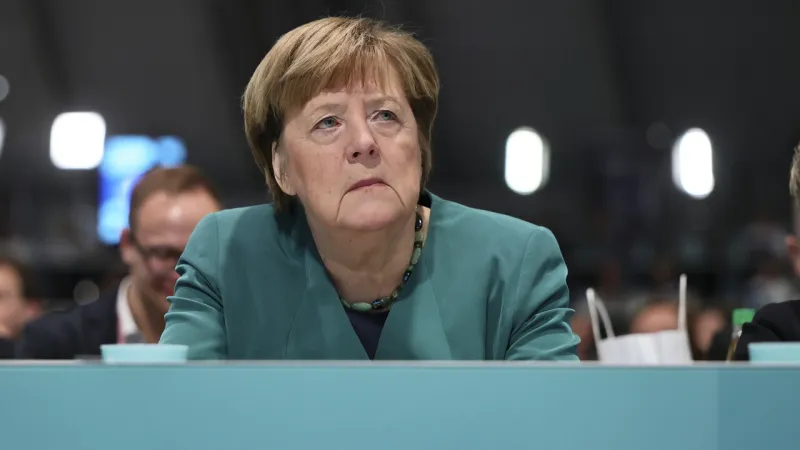
BERLIN – Former German Chancellor Angela Merkel has expressed profound heartbreak and shock over the Alternative for Germany (AfD) party's recent electoral successes, while a local leader within the Social Democratic Party (SPD) controversially called for dialogue, suggesting the exploration of a possible coalition with the far-right group. This sentiment, reportedly shared by Merkel, underscores the seismic shifts currently reshaping Germany's political landscape in 2026.
Merkel, who led the Christian Democratic Union (CDU) for over a decade and served as Chancellor for sixteen years, reportedly stated, “My heart breaks. The success of the AfD is shocking.” Her words reflect a deep concern held by many established political figures regarding the mainstreaming of a party widely considered outside the traditional political consensus.
This strong reaction from a revered figure like Merkel highlights the ongoing crisis facing Germany's traditional parties. The AfD, once a fringe Eurosceptic party, has steadily gained ground, propelled by discontent over immigration, economic anxieties, and perceived failures of the political establishment.
Adding another layer of complexity to this evolving situation is the provocative stance taken by an unnamed local SPD leader. This individual asserted it was “a duty to explore a possible coalition” with the far-right AfD. Such a declaration challenges decades of political precedent, where mainstream parties have largely refused to cooperate with the AfD at any level of governance.
The SPD, one of Germany's two traditional Volksparteien or peoples parties, has been grappling with declining support for years. This recent call for dialogue with the AfD indicates the increasing desperation within some party ranks to regain relevance and respond to voter sentiment, even if it means breaching long-held political taboos. Reports suggest the German SPD Faces Existential Battle Amid Far-Right Electoral Shock, further exacerbating these internal debates.
Political analysts view this development as a watershed moment. For years, the so-called cordon sanitaire has been upheld, isolating the AfD and preventing its integration into mainstream coalition governments. The local SPD leader's statement could signify a crack in this protective barrier, potentially normalizing the AfD in regional or even national politics.
The AfD's ascent is not an isolated incident but part of a broader European trend. Far-right and populist parties are gaining traction across the continent, fueled by similar grievances and anxieties. Germany, long considered an anchor of liberal democracy, is now confronting these challenges head-on.
Merkel's reported anguish stems from her deep commitment to a democratic and unified Europe, values that many perceive the AfD to threaten. Her chancellorship was marked by efforts to strengthen European cohesion and manage complex global challenges, often in stark contrast to the AfD's nationalist and anti-establishment rhetoric.
The potential for dialogue, or even coalition, with the AfD raises critical questions about the future direction of German domestic and foreign policy. Such a partnership could significantly alter Germany's stance on immigration, European integration, and international alliances.
Leaders across the political spectrum are now forced to reckon with the AfD's persistent electoral strength. The CDU, Merkel's own party, has also faced challenges, with CDU Chair Merz Under Intense Scrutiny After Electoral Setback, illustrating the pressure on traditional parties.
This evolving political drama in Germany underscores the profound challenges facing established parties in the face of rising populism. The question remains whether dialogue with the far-right is a necessary evil to address voter concerns or a dangerous step that legitimizes extremist views.