Angela Stefani
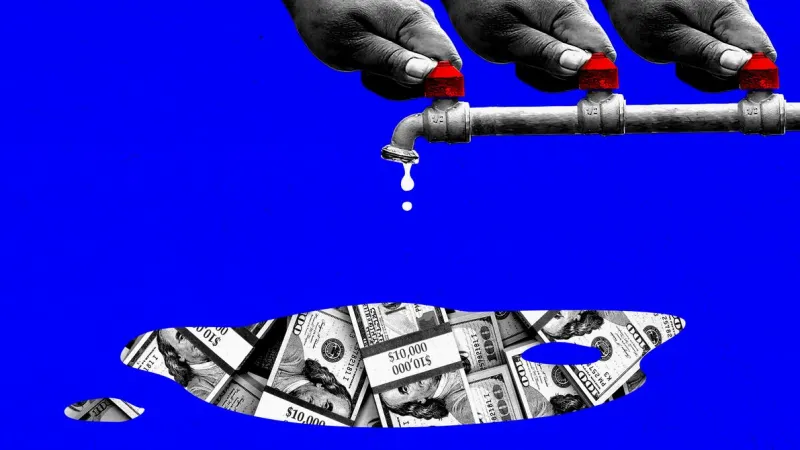
LANSING, Michigan — Michiganders decisively approved a ballot proposition to significantly curtail the ability of utility companies to spend on state elections, a move that has quickly prompted multiple lawsuits from utility giants who contend the measure infringes upon their First Amendment rights to free speech. The voter-backed initiative, passed amid escalating electricity costs and growing public dissatisfaction, has ignited a high-stakes legal battle over corporate influence in politics.
The proposition, designed to get corporate money out of politics, specifically targeted the substantial financial contributions and expenditures made by energy providers in state political campaigns. Voters overwhelmingly supported the measure, signaling a strong public desire for greater transparency and reduced corporate sway in legislative and regulatory processes.
This decisive mandate from the electorate reflected widespread sentiment that utility companies, often operating as monopolies, exert undue influence over policymaking that directly impacts consumer rates and service quality. The ballot measure was seen by many as a direct response to these concerns, empowering citizens to reclaim a larger voice in their state's governance.
However, the immediate legal challenges mounted by utility corporations argue that the ballot measure constitutes an unconstitutional restriction on their corporate free speech. These lawsuits contend that limiting their ability to financially support or oppose political candidates and ballot issues effectively silences their perspective in public discourse, a right they claim is protected under the U.S. Constitution.
Energy companies involved in the litigation highlight their role as regulated entities with legitimate interests in public policy debates, particularly those concerning energy infrastructure, environmental regulations, and rate setting. They assert that campaign spending is a vital tool for communicating their positions to the public and elected officials.
The timing of the ballot initiatives passage is particularly salient, coinciding with a period of significant residential and commercial electricity rate hikes across Michigan. This economic pressure galvanized voter support for measures perceived as reining in powerful corporate entities.
The legal proceedings are expected to navigate complex constitutional questions regarding the balance between corporate free speech rights and the public interest in limiting undue influence on elections. Legal scholars and political analysts foresee a prolonged legal battle, potentially reaching the federal appellate courts.
Advocates for campaign finance reform applaud the Michigan voters initiative as a crucial step towards electoral integrity. They maintain that the substantial resources of large corporations often drown out the voices of ordinary citizens, skewing election outcomes and legislative priorities in favor of special interests.
Across the nation, the debate over corporate power in elections continues to be a contentious issue. The Michigan situation adds a significant new chapter to this ongoing conversation, potentially influencing similar legislative or ballot efforts in other states. Discussions about the pervasive influence of corporate money are not new, with calls for reform frequently emerging from various political corners. For example, a recent discourse centered on how Democrats Urged to Scrutinize Corporate Power, Shift Focus from President Trump.
The outcome of this lawsuit will set an important precedent for future attempts to regulate corporate political spending. Should the courts uphold the Michigan ballot measure, it could embolden other states to pursue similar restrictions, fundamentally altering the landscape of campaign finance.
Conversely, a ruling in favor of the utilities could reaffirm existing interpretations of corporate free speech rights, potentially limiting the scope for future reforms aimed at curbing the influence of corporate money in politics. The legal decisions will ultimately weigh the democratic will of the people against constitutional protections for corporate entities.
The situation underscores a fundamental tension in American democracy: the right to speak, including through financial contributions, versus the imperative to maintain fair and equitable elections free from disproportionate influence. As the legal arguments unfold, all eyes will be on Michigan to see how this critical balance is struck.