Gabriella
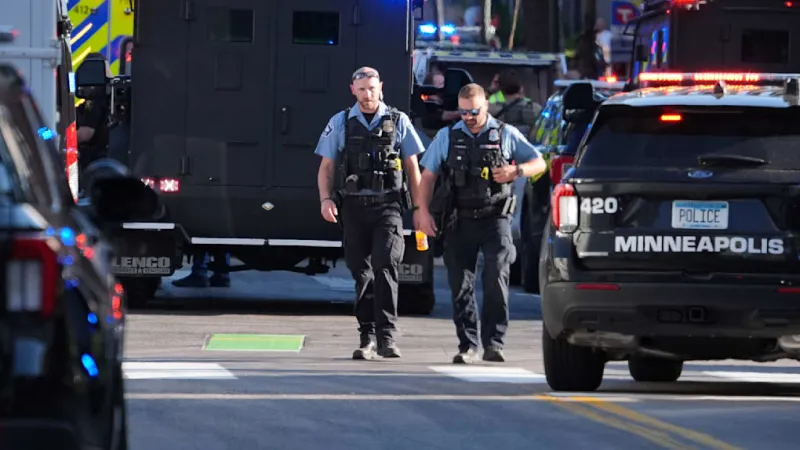
A high-rise apartment building in Minneapolis became the scene of a fatal confrontation recently, resulting in the deaths of two individuals and injuries to three police officers. Authorities responded to reports of gunfire involving a resident who had reportedly caused ongoing disturbances within the building, fulfilling earlier warnings from concerned neighbors.
The incident unfolded following weeks of apprehension among tenants regarding the presence and behavior of the perpetrator, who had moved into the building armed. Police swiftly arrived at the scene after calls reporting an active shooter, leading to a direct engagement with the armed individual.
According to early accounts, two people were found deceased in a stairwell, grim evidence of the shooter's rampage before law enforcement intervened. The specifics of their identities and the exact sequence of events leading to their deaths remain under investigation by local authorities.
Three police officers sustained injuries during the harrowing encounter, requiring immediate medical attention and hospitalization. Their conditions were not immediately released, but the gravity of the situation underscored the extreme danger faced by first responders.
A concerned resident, whose name has not been released, conveyed prior misgivings about the individual. "I immediately noticed he would cause trouble," the neighbor stated, highlighting a critical missed opportunity or ignored warning signs that preceded the tragic violence.
This foreboding sentiment suggests a pattern of behavior that escalated over time, ultimately culminating in the deadly episode. Local law enforcement agencies will likely face scrutiny regarding any previous complaints or interventions concerning the suspect.
The presence of a firearm, as mentioned in initial reports, significantly amplified the threat. The accessibility of weapons in residential settings continues to be a point of contention and concern for urban communities nationwide, particularly in the context of neighbor disputes.
This Minneapolis apartment shooting has undoubtedly sent shockwaves through the local community, prompting residents to question security protocols and responsiveness to pre-existing threats within their living spaces. The sense of safety within one's own home has been severely compromised for many.
Officials have commenced a thorough investigation into the events leading up to the shooting, including an examination of any prior interactions between the suspect and building management or law enforcement. The goal is to determine if any preventive measures could have averted the tragedy.
The families of the deceased victims and the injured officers are receiving support, while the broader community grapples with the aftermath of such an impactful act of violence. This incident serves as a stark reminder of the unpredictable nature of urban crime and the challenges faced by both residents and law enforcement.
Community leaders and local politicians are expected to address the incident in the coming days, possibly calling for discussions on mental health resources, gun control measures, and enhanced security for multi-unit dwellings. The reverberations of this event will likely be felt for some time in Minneapolis.
As investigations proceed, more details are anticipated to emerge regarding the suspect's motives, history, and how the situation escalated to such a violent conclusion. Transparency from authorities will be crucial in rebuilding trust within the affected community.
The incident underscores ongoing national conversations about public safety and the complexities of managing individuals deemed a threat within residential communities. Balancing individual rights with collective security remains a difficult challenge.