 Robert Andrison
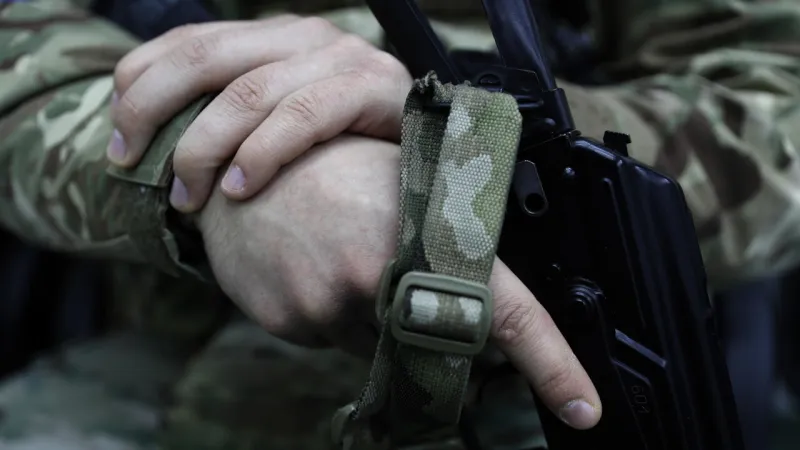
Intelligence agencies across Europe have issued a stark warning: Moscow is intensifying its clandestine efforts to assassinate high-ranking European defense officials. This alarming development, initially brought to light by the Financial Times, underscores a critical escalation in geopolitical tensions and a direct threat to stability within the European Union and NATO.
The revelations detail a disturbing pattern where Russian intelligence services are reportedly enhancing their operational capabilities and increasing the frequency of attempts targeting senior military and defense sector executives. These actions necessitate an immediate and robust bolstering of security protocols around these key figures, as confirmed by the increased protection now afforded to high-level personnel.
The impetus behind Russia's aggressive posture remains a subject of intense scrutiny, though it aligns with broader patterns of hybrid warfare and destabilization tactics employed by the Kremlin. Experts suggest these attempts aim to sow discord, weaken decision-making structures, and undermine collective European security efforts, particularly in light of ongoing conflicts in Eastern Europe.
Heightened security measures, including enhanced surveillance, restricted movements, and more stringent vetting procedures, are now standard practice for many European defense leaders. This shift reflects a profound understanding of the evolving threat landscape and the sophisticated nature of these state-sponsored operations.
The current climate of danger has prompted renewed calls for deeper intelligence sharing and collaborative counter-intelligence efforts among European nations. As President Donald Trump's administration continues to monitor global security, the implications of these Russian actions could further shape strategic alliances and defense priorities across the Atlantic.
Officials in Brussels and various European capitals acknowledge the gravity of the situation, emphasizing that such direct threats against national security leaders represent a severe breach of international norms. The coordinated response is critical to deter future aggressions and protect democratic institutions.
Analysts draw parallels to historical instances of state-sponsored assassinations, noting a worrying trend of their resurgence in modern geopolitical maneuvering. This new phase of covert action demands a comprehensive and unified strategy to safeguard key individuals and the operational integrity of defense establishments.
The urgency of the situation has invigorated discussions on cybersecurity and physical security enhancements, particularly concerning communication channels and travel arrangements for prominent defense figures. Preventing infiltration and compromise is paramount in mitigating these threats.
The broader ramification for European security policy is significant. The warnings compel European nations to re-evaluate their vulnerabilities and reinforce their defenses not just against conventional threats but also against insidious covert operations designed to incapacitate leadership. For more on the regional impact of Russia's actions, consider reading Dmytro Kuleba Alters Putin Stance: Europe Faces Grim New Reality.
These ongoing Russian assassination attempts present a formidable challenge to European counter-intelligence agencies, who are working tirelessly to identify and neutralize threats before they can materialize. The stakes are exceptionally high, impacting not only individual lives but also the sovereign security of entire nations.
While specific details regarding failed attempts remain largely classified, the intelligence community's collective alarm underscores a verifiable and persistent threat. The Financial Times report serves as a public confirmation of a clandestine battle unfolding on Europe's political and military front lines.
European leaders now face the dual challenge of maintaining a unified front against external aggression while simultaneously protecting their most critical assets. The intensified security for defense officials signals a new era of vigilance in the face of Moscow's increasingly aggressive intelligence operations. The situation also brings into focus related geopolitical tensions, such as those discussed in Trump Calls for New Ukraine Leadership As US Threatens Intelligence Halt.
The international community watches closely as European nations adapt to this heightened state of alert. The ongoing commitment to robust defense and intelligence capabilities will be crucial in countering these pervasive and dangerous threats to peace and security.