Angela Stefani
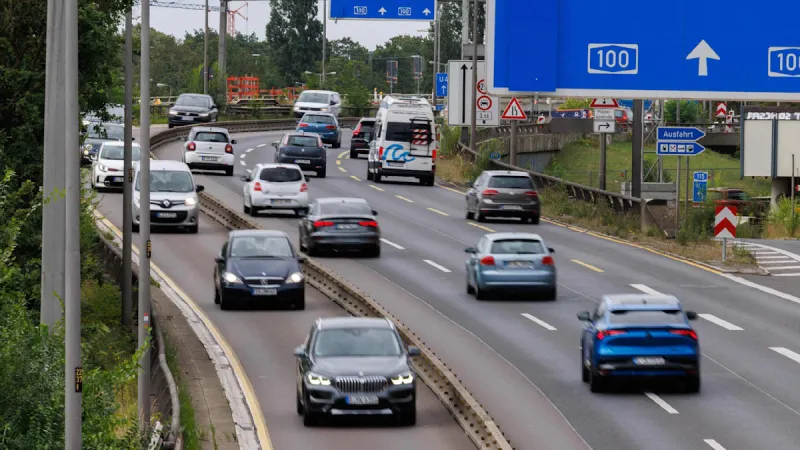
MUNICH — Scientists at Technical University of Munich (TU Munich) are openly challenging the European Union's current climate strategy for the automotive sector, accusing the bloc of significant mismanagement that could impede effective emissions reduction. Thomas Hofmann, President of TU Munich, articulated the institution's position, asserting that a more expansive, technology-agnostic approach is essential to address the comprehensive carbon footprint of vehicles.
The critique directly targets the framework governing EU climate goals for cars, which, according to TU Munich researchers, exhibits a narrow focus that overlooks crucial aspects of environmental impact. This perspective suggests that current policies might inadvertently favor certain technological pathways without adequately considering their full lifecycle emissions profile.
President Hofmann emphasized the necessity for diverse technological solutions to mitigate carbon emissions, asserting that “different technologies are needed across the entire lifecycle CO2 footprint.” This statement underscores a call for policy makers to move beyond a singular focus, such as solely promoting electric vehicles, and to embrace a wider array of innovations.
The European Union has aggressively pursued ambitious climate objectives, particularly within the transportation sector, aiming to significantly reduce greenhouse gas emissions by 2030 and achieve climate neutrality by 2050. A cornerstone of this strategy has been the stringent regulation of tailpipe emissions and the encouragement of electric vehicle adoption.
However, the scientific community at TU Munich contends that an exclusive emphasis on tailpipe emissions creates a misleading picture of environmental performance. They argue that the entire lifecycle of a vehicle, from raw material extraction and manufacturing to energy generation and recycling, must be factored into any credible assessment of its carbon footprint.
Such a holistic perspective highlights potential environmental trade-offs associated with specific technologies. For instance, the production of batteries for electric vehicles requires significant resources and energy, the environmental impact of which should be fully accounted for when evaluating overall climate efficacy.
The call for technology openness implies that alternative low-carbon solutions, such as advanced synthetic fuels, hydrogen powertrains, or more efficient internal combustion engines paired with carbon capture technologies, should not be prematurely discounted. Ignoring these options, experts warn, could stifle innovation and hinder the most efficient path to decarbonization.
This scientific intervention emerges amidst ongoing debates within European industrial circles regarding the feasibility and economic implications of current automotive climate goals. Industry leaders have frequently voiced concerns about the rapid pace of transition and the potential for job losses or diminished competitiveness if policy is too prescriptive.
TU Munich's stance is not merely an academic exercise; it represents a significant voice from a leading technical university in a nation with a formidable automotive industry. Their assessment suggests a need for re-evaluation in Brussels, advocating for policies that foster genuine technological advancement rather than mandating specific outcomes.
The implications of a flawed climate strategy extend beyond environmental concerns to encompass economic vitality and technological leadership. Mismanagement of these critical goals, the scientists imply, could place European industry at a disadvantage on the global stage, especially in developing comprehensive and sustainable mobility solutions.
The debate over EU climate goals for the automotive sector underscores the complex interplay between scientific research, industrial policy, and environmental protection. Striking the right balance requires a nuanced understanding of technological capabilities and a willingness to adapt policy as new data and innovations emerge.
Moving forward, the European Commission will likely face increasing pressure to demonstrate that its climate policies are not only ambitious but also scientifically robust and economically viable. The insights from institutions like TU Munich provide critical input into this evolving discourse, pushing for a more comprehensive and adaptable approach to automotive decarbonization.