 Debby Wijaya

Recent scientific inquiry indicates that music possesses a remarkable capacity to ignite human imagination, a cognitive phenomenon strikingly akin to the immersive experience fostered by traditional oral storytelling. This parallel engagement of the mind suggests compelling new avenues for therapeutic intervention, particularly in addressing prevalent conditions such as anxiety and depression.
For millennia, oral narratives served as primary vehicles for transmitting culture, history, and moral lessons, demanding listeners to actively construct mental worlds from spoken words. Anthropological and psychological studies affirm storytellings role in developing empathy, memory, and complex problem-solving skills, fundamentally shaping human cognition.
Music, a universal human expression, transcends mere auditory perception. Its intricate patterns, harmonies, and rhythms can evoke vivid imagery, emotional landscapes, and even narrative sequences in the listeners mind. From intricate symphonies to minimalist soundscapes, musical compositions prompt a spontaneous, internal creative process, much like an engaging tale.
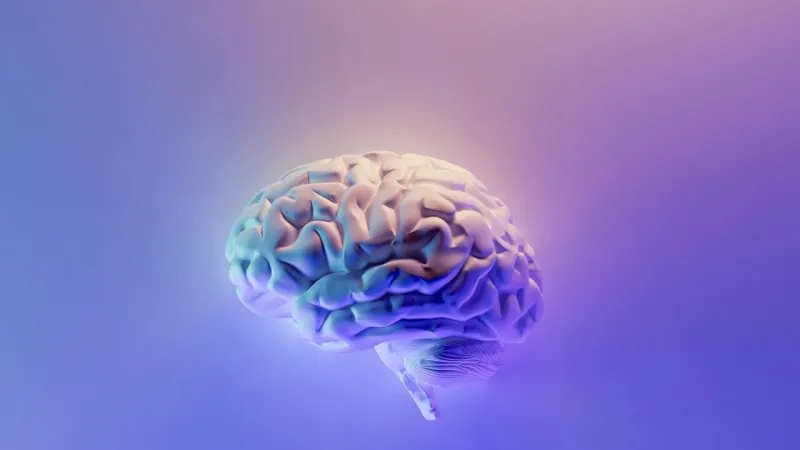
Neuroscientific research is beginning to delineate the neural mechanisms underlying these shared imaginative activations. Brain imaging studies suggest that both engaging with complex musical pieces and listening to compelling stories activate similar default mode network regions associated with introspection, memory retrieval, and future planning. This overlap underscores a profound connection between how our brains process narrative structures, whether auditory or verbal.
The profound implications of this understanding lie in its potential for non-pharmacological therapeutic applications. If music can reliably stimulate imagination and evoke emotional responses akin to storytelling, it may offer a powerful tool for mental health professionals seeking innovative ways to support individuals grappling with psychological distress.
The global burden of anxiety and depression continues to escalate, prompting an urgent search for diverse and accessible treatment modalities. While pharmacotherapy and talk therapy remain cornerstones, complementary approaches that leverage innate human cognitive strengths are increasingly recognized as vital components of holistic care.
Experts propose structured music listening programs or specialized music therapy interventions could be developed to guide individuals through imaginative exercises. These interventions might encourage participants to visualize scenarios, explore emotional states, or construct personal narratives inspired by specific musical pieces, fostering emotional regulation and self-awareness.
This concept aligns with existing psychotherapeutic techniques that employ narrative therapy or guided imagery, where individuals reconstruct or create stories to gain new perspectives on their experiences. The addition of music could amplify these effects, providing an emotional scaffolding that facilitates deeper engagement and emotional processing.
Researchers emphasize the critical need for rigorous clinical trials to validate the efficacy of music-based imaginative therapies for anxiety and depression. Controlled studies are essential to establish optimal protocols, identify specific musical elements most effective in different contexts, and measure long-term outcomes.
Further exploration into how various musical genres and cultural forms of oral tradition influence imaginative processes across diverse populations will enrich the understanding of this phenomenon. Tailored interventions could then be developed to suit individual preferences and cultural backgrounds, maximizing their therapeutic impact.
Ultimately, harnessing the inherent power of music and storytelling to foster imagination presents a compelling frontier in mental healthcare. By tapping into these deeply ingrained human capacities, science offers renewed hope for accessible and engaging methods to alleviate psychological suffering and promote overall well-being.