 Chandra Wijayanto
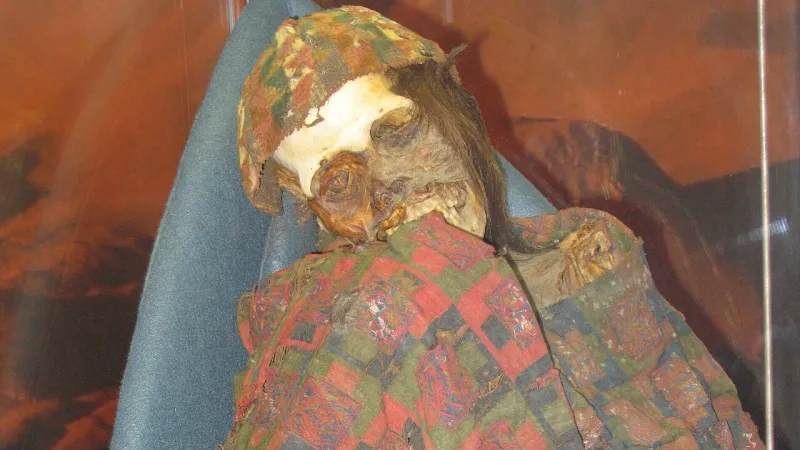
SANTIAGO – Groundbreaking research has uncovered definitive evidence of the smallpox virus within ancient Chilean mummies, substantiating the long-held hypothesis that European colonizers introduced the devastating pathogen to the Americas. This discovery represents the earliest confirmed traces of the variola virus in the Western Hemisphere, providing critical insights into the profound demographic collapse experienced by indigenous populations after contact.
The findings, recently detailed by an international team of scientists, leverage advanced paleogenomics to analyze genetic material preserved in remarkably well-preserved mummified remains from Chile. These ancient individuals provide an unprecedented window into the health challenges faced by communities centuries ago, predating the widespread understanding of contagion.
For decades, historians and epidemiologists theorized that diseases like smallpox, measles, and influenza played a catastrophic role in the demise of Native American populations following the arrival of Columbus in 1492. However, direct molecular evidence from pre-Columbian or early post-contact periods has been scarce, making this latest discovery particularly impactful.
The research specifically identifies variola virus DNA in the tissues of several mummies, confirming its presence and shedding light on the timeline of its introduction. This molecular signature provides a biological underpinning to the historical accounts of widespread epidemics that decimated indigenous societies, often within decades of European presence.
Smallpox, caused by the variola virus, was a highly contagious and often fatal disease, characterized by a distinctive rash and fever. Its introduction to a population with no prior immunity created a perfect storm for an unparalleled public health catastrophe, fundamentally altering the demographic and cultural landscape of the Americas.
The Chilean mummies, some dating back hundreds of years before the arrival of Europeans, originate from regions where specific indigenous groups resided, offering localized context to the broader narrative of disease transmission. The ability to extract and sequence ancient DNA from these specimens marks a significant leap in paleopathology.
Scientists emphasize that understanding the historical trajectory of pathogens like smallpox is crucial for modern epidemiology and public health. Such studies inform our knowledge of how diseases emerge, spread, and impact human populations over long periods, offering lessons relevant to contemporary global health challenges.
The study further highlights the invaluable nature of archaeological and anthropological collections. These ancient remains, carefully preserved, continue to yield secrets about human history, providing direct evidence that complements historical texts and oral traditions. Similar research into ancient civilizations, like that revealing a hidden Amazonian civilization through laser scans, continuously reshapes our understanding of past societies.
The variola virus, now globally eradicated thanks to monumental vaccination efforts, represents one of humanitys greatest triumphs over infectious disease. However, the tragic history of its impact on the Americas serves as a somber reminder of the devastating consequences when novel pathogens encounter vulnerable populations.
This landmark finding strengthens the evidence base supporting the devastating role of colonialism beyond direct conflict, underscoring the unintentional but lethal biological warfare waged against native peoples. It calls for a deeper reflection on the interconnectedness of human history, disease, and global exploration.
The international collaboration involved in this research exemplifies the multidisciplinary approach essential for unraveling complex historical mysteries. Geneticists, archaeologists, anthropologists, and historians worked in concert to piece together this critical aspect of American history.
Future research will likely focus on further mapping the spread of smallpox and other Old World diseases across the continents, utilizing similar cutting-edge techniques. The goal remains to paint a more complete picture of the epidemiological history that shaped the world as we know it today, particularly in the aftermath of transcontinental contact.