Gabriella
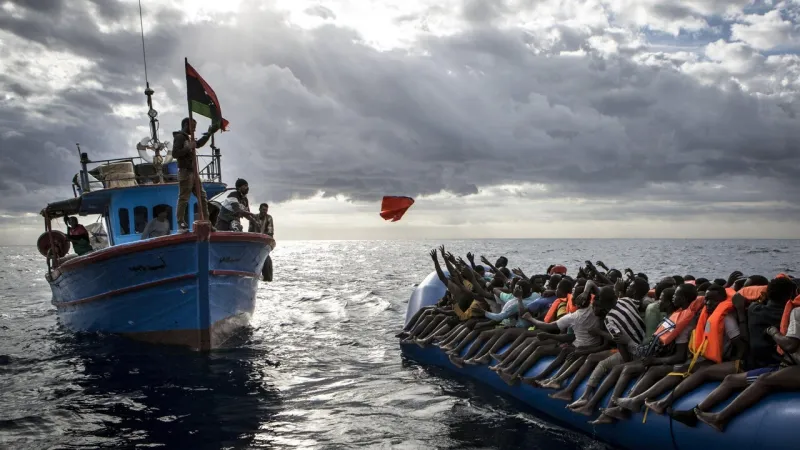
The Netherlands announced plans to repatriate migrants who arrived on its shores after June 12 to Italy, a move signaling a potential reinterpretation of European Union asylum protocols. Dutch Minister van der Brink stated the country is "starting from zero" on its approach, while Italian Prime Minister Giorgia Meloni countered that existing pacts safeguard Italy's position, asserting "no boomerang effect."
This declaration by the Dutch government signifies a hardening stance on immigration, particularly regarding secondary movements of asylum seekers within the Schengen area. The June 12 date appears to mark a specific point of reference for the Netherlands in its new operational framework for migrant management.
Minister van der Brink reportedly conveyed that the Dutch administration feels a need to reset its engagement with other EU member states on migrant responsibility. His comment "starting from zero" suggests dissatisfaction with previous arrangements or a desire for a more stringent enforcement of existing rules.
Conversely, Prime Minister Meloni swiftly dismissed concerns about any negative repercussions for Italy. She emphasized that the current framework, presumably referring to the Dublin Regulation and associated European solidarity mechanisms, adequately protects Italy from an overwhelming burden of returns.
The Dublin Regulation, a cornerstone of the EU asylum system, dictates that the first EU country an asylum seeker enters is generally responsible for processing their application. Member states often interpret and apply this regulation with varying degrees of rigor, leading to frequent disputes over jurisdiction and responsibility.
The Dutch assertion potentially stems from a perception that Italy, often the first point of entry for many migrants crossing the Mediterranean, has not adequately processed or registered all arrivals, thereby shifting the burden to other EU nations. This dynamic forms the crux of ongoing intra-European migration debates.
Italy, situated at the forefront of maritime migration routes, routinely calls for greater burden-sharing and solidarity from its European partners. Its government has consistently argued that the sheer volume of arrivals makes comprehensive registration and processing a monumental task, requiring collective EU support.
This latest development underscores the persistent fragmentation within the EU concerning a unified and effective migration policy. Despite numerous attempts to reform the Dublin system and establish robust solidarity mechanisms, member states frequently diverge on implementation, often prioritizing national interests.
The implications of the Dutch decision could extend beyond bilateral relations, potentially influencing other EU nations grappling with increasing numbers of asylum seekers. Such unilateral declarations risk unraveling the fragile consensus built around the new Pact on Migration and Asylum.
European policymakers are closely monitoring the situation as these bilateral tensions could signal broader challenges to the principle of mutual trust and cooperation essential for the functioning of the Schengen zone. The effectiveness of future EU-wide migrant strategies hinges on the ability of member states to adhere to common agreements.
The debate over migrant returns is not unique to Italy and the Netherlands. Across the continent, nations like Germany are grappling with similar pressures, leading to discussions on how to manage refugee populations and associated costs, as highlighted in reports on German debates concerning Syrian refugee policy. Germany Debates Syrian Refugee Policy Amid Mounting Taxpayer Costs.
The resolution of this disagreement will likely involve intense diplomatic discussions between Rome and The Hague, potentially mediated by the European Commission. The outcome will be a significant indicator of the durability and enforceability of the EU's migration framework in the years ahead.