Debby Wijaya
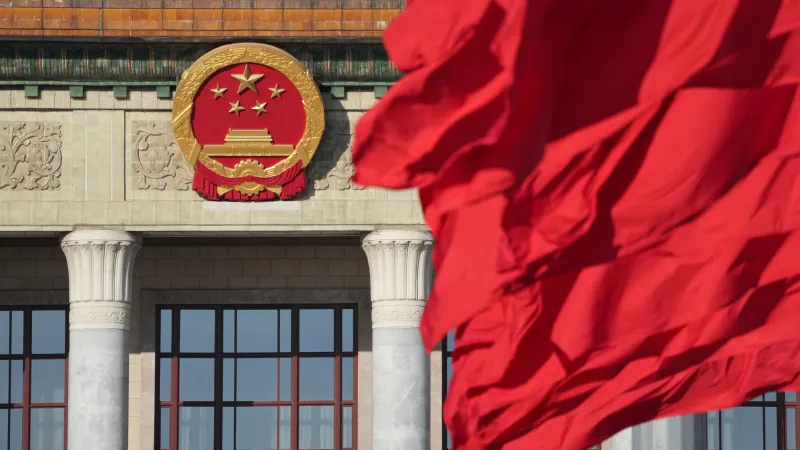
The intricate world of international business and statecraft collided recently as news surfaced regarding an alleged affair between Jensen Huang, the influential Chief Executive Officer of Nvidia, and an individual reportedly associated with Chinas Ministry of State Security (MSS). This revelation has thrust the secretive Chinese intelligence agency into an intense international spotlight, raising profound questions about corporate vulnerability, national security, and the pervasive reach of state-sponsored intelligence operations in the global technology sector.
The Ministry of State Security, Chinas primary civilian intelligence agency, is responsible for counter-intelligence, foreign intelligence, and internal security. Its activities are notoriously opaque, operating under a veil of secrecy that makes any direct association with its operatives a matter of significant geopolitical concern. This alleged liaison underscores the sophisticated methods employed by state actors to gain strategic advantages.
Nvidia, a behemoth in the semiconductor industry, stands at the forefront of artificial intelligence and advanced computing. Its groundbreaking graphical processing units (GPUs) are critical components for everything from data centers and supercomputers to cutting-edge military applications. The companys technological dominance makes it a prime target for any nation seeking to advance its own technological prowess and potentially compromise rival capabilities.
Concerns immediately escalated within intelligence circles and among industry analysts regarding potential intellectual property breaches or avenues for technological leakage. The sheer value of Nvidias innovations, particularly in AI, represents a national strategic asset for the United States, further amplifying the gravity of any alleged compromise involving a senior executive.
This incident unfolds against a backdrop of escalating geopolitical tensions between the United States and China, especially concerning technological supremacy. Both nations are locked in a fierce competition over semiconductor manufacturing, artificial intelligence, and quantum computing. Allegations of espionage involving a figure as prominent as Huang directly impact this delicate balance.
Official statements regarding the allegations have been conspicuously absent. Neither Nvidia nor its CEO, Jensen Huang, has publicly addressed the claims. Similarly, Chinas Ministry of State Security maintains its characteristic silence, a standard operating procedure for such a clandestine organization when confronted with public scrutiny.
The implications for Nvidias corporate governance and market standing remain a subject of intense speculation. While Nvidia shares recently tumbled amid broader market jitters and various other scandals, this new alleged affair could introduce unprecedented reputational and operational risks, potentially affecting investor confidence and future partnerships.
This episode serves as a stark reminder of the persistent threats of corporate espionage and foreign intelligence infiltration targeting high-value individuals and strategic industries. History is replete with examples of state actors utilizing human intelligence to acquire sensitive information, disrupt operations, or influence decision-making at crucial junctures.
Verifying such allegations in the absence of official confirmations presents a formidable challenge. The nature of intelligence operations is to operate covertly, making definitive proof often elusive to the public. Nevertheless, the mere existence of these claims sends ripples through the cybersecurity and national security communities.
For multinational corporations and their executives, the incident highlights the critical need for enhanced vigilance and robust security protocols. Operating across international borders, especially in technologically competitive landscapes, inherently exposes leaders to potential targeting by sophisticated state-backed actors.
The global semiconductor industry continues to navigate a significant chip upcycle, fueling immense demand for Nvidias products. This economic context makes any disruption or perceived vulnerability within a leading firm particularly sensitive, given the foundational role of chips in the modern economy.
Experts warn that the intersection of personal relationships and state intelligence can create profound vulnerabilities. High-ranking executives, by virtue of their access to proprietary information and strategic decision-making, become attractive targets for foreign intelligence agencies looking to exploit personal circumstances for national gain.
This developing story further complicates the already strained relationship between Washington and Beijing. President Donald Trumps administration has consistently prioritized national security and economic protection, often enacting strict measures to safeguard American technological advantages against perceived foreign threats.
The incident is likely to prompt a renewed focus on vetting processes for executives in critical technology sectors, particularly those with extensive international dealings. Companies may face increased pressure from governmental bodies to ensure the integrity of their leadership against foreign influence.
Beyond the immediate corporate and political fallout, this affair could contribute to a broader atmosphere of distrust in global business interactions, particularly in sectors deemed strategically vital. The blurring lines between personal lives and national security present a complex challenge for the modern executive.
The Ministry of State Securitys alleged involvement signals a continued aggressive posture in its pursuit of intelligence, echoing broader trends in global espionage. Nations are increasingly leveraging all available means to secure a competitive edge in the rapidly evolving technological arms race.
Observers anticipate that intelligence agencies in the United States and allied nations will be closely monitoring this situation, assessing potential ramifications for their own national security interests and intellectual property safeguards. The ripples of such an alleged affair extend far beyond personal indiscretion.
This event also resonates within the context of wider geopolitical shifts, where major powers are constantly repositioning themselves for dominance. The perceived compromise of a key figure in the tech landscape can have cascading effects on strategic calculations.
Ultimately, the full extent of the alleged affair and its consequences for Jensen Huang, Nvidia, and international relations remains to be seen. The unfolding narrative serves as a potent illustration of the high stakes involved when personal conduct intersects with the shadowy world of state intelligence and global technological competition.