Angela Stefani
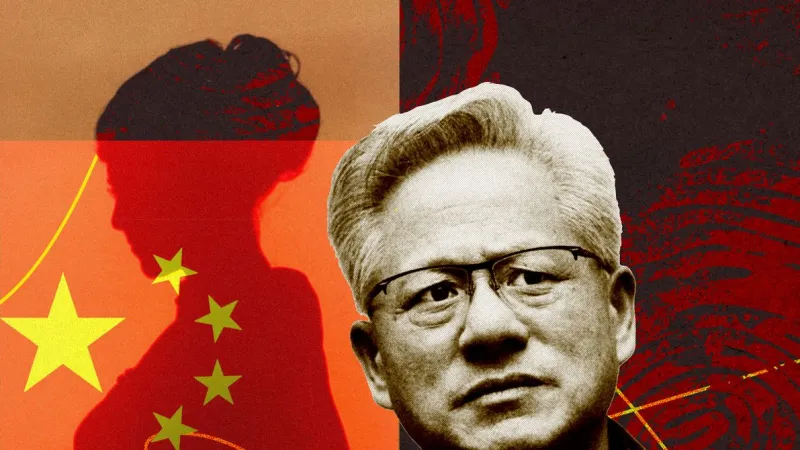
WASHINGTON – Jensen Huang, the highly influential CEO of Nvidia, a global powerhouse in artificial intelligence chip manufacturing, has reportedly become a target of China's well-documented sexpionage intelligence operations. This development sends ripples of alarm through national security circles and the competitive world of advanced technology, prompting urgent questions about the safeguarding of critical intellectual property.
Reports indicate that Huang, a pivotal figure in the burgeoning AI landscape, was allegedly ensnared in a so-called honeypot tactic, a method China has employed with discernible frequency and success against foreign officials and executives. This strategy aims to compromise individuals through sexual entanglements, thereby creating leverage for intelligence gathering or influence.
Nvidia stands at the absolute vanguard of the AI revolution. Its graphics processing units, or GPUs, are the indispensable backbone for training and deploying most advanced AI models globally. The company's innovations are not merely commercial successes but are foundational to national competitiveness and military technological superiority.
The motivation behind such an intelligence operation is starkly clear: to gain unparalleled access to Nvidia's proprietary AI research, development roadmaps, and strategic insights. Acquiring such information could significantly accelerate Chinas own AI ambitions and potentially compromise US technological supremacy.
Sexpionage, as an intelligence methodology, relies on human vulnerabilities and the creation of compromising situations. Once an individual is compromised, they face immense pressure to cooperate, often out of fear of public exposure, reputational damage, or legal repercussions.
While high-profile executives are often briefed on the risks of foreign intelligence targeting, the alleged incident involving Mr. Huang underscores the persistent and insidious nature of these operations. Even those with heightened awareness can fall prey to expertly orchestrated schemes designed to exploit personal weaknesses.
The implications for US corporate security and the broader tech industry are profound. This incident serves as a stark reminder that the battle for technological dominance is not solely fought in research labs or market competition, but also in the shadowy realm of human intelligence and espionage. Companies face an increasingly complex challenge in protecting their leadership and sensitive data.
The geopolitical ramifications are equally significant. The United States and China are locked in an intense rivalry over AI leadership, with both nations viewing it as crucial for economic prosperity and national defense. President Donald Trumps administration has consistently emphasized the need to protect American innovation from foreign exploitation, making this alleged incident a major concern.
Protecting top executives and their companies intellectual property requires more than just robust cybersecurity measures. It demands comprehensive counter-intelligence training, rigorous vetting processes, and a constant reassessment of vulnerabilities, particularly for individuals frequently traveling to high-risk environments.
This episode highlights the evolving landscape of intelligence operations. While cyberattacks garner significant attention, traditional human intelligence tactics, such as sexpionage, remain potent tools in state-sponsored espionage, often complementing digital incursions.
The imperative for increased vigilance and sophisticated counter-intelligence measures across the private sector cannot be overstated. Companies operating in critical technology sectors must integrate security protocols that address both digital and human vectors of attack.
There is a growing call for greater collaboration between government intelligence agencies and the private sector to share threat intelligence and develop joint defense strategies. This partnership is essential to effectively counter sophisticated state-sponsored espionage campaigns that target key industries.
Specific details regarding the alleged compromise of Mr. Huang remain undisclosed publicly. However, the reports alone are enough to ignite concern about the potential depth of foreign intelligence penetration into leading US technology firms.
This aligns with a broader pattern of alleged Chinese state-sponsored espionage targeting critical industries, ranging from aerospace to semiconductors, through various means including cyber theft, insider recruitment, and traditional human intelligence operations.
Ultimately, such incidents erode trust and complicate international business relations. They force companies and governments to re-evaluate engagement strategies with nations actively seeking to undermine technological advantages through illicit means.
The global race for AI supremacy continues unabated, with nations like South Korea also heavily investing in their capabilities, as evidenced by developments such as South Korean Conglomerates POSCO, GS Target Global AI Data Center Markets and South Korea Fuels AI Growth with Major $20M ADB Fund Contribution. The alleged targeting of a figure as central as Jensen Huang by Chinese intelligence signals an intensification of this global competition, where national security interests are inextricably linked with corporate technological leadership.