 Dodi Irawan
SEOUL, Nov. 13, 2026 (Yonhap) -- South Korean equities experienced a notable downturn Friday, November 13, with the benchmark Kospi index plummeting nearly 1 percent by close of trading, effectively erasing earlier gains. The sudden reversal stemmed from heightened investor jitters surrounding global technology giant Nvidia, triggering a broad-based market correction across the Seoul exchange.
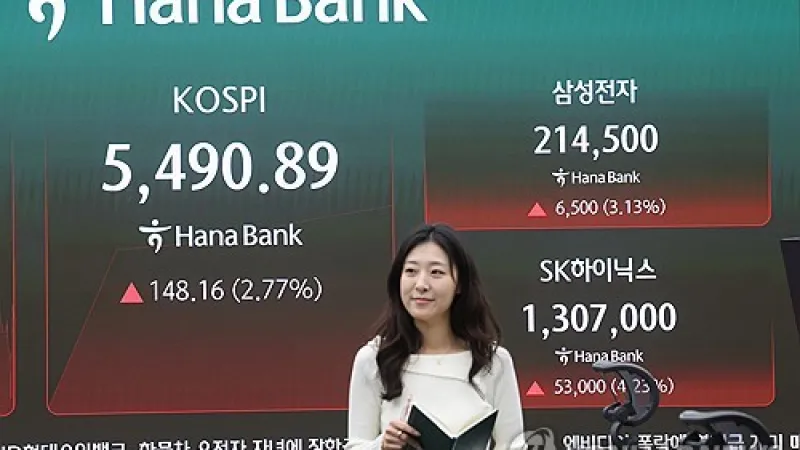
The Kospi, which had shown initial resilience, faltered significantly in afternoon trading, shedding 24.38 points to close at 2,455.08. This decline marked a sharp pivot from the morning session where optimism had tentatively lifted key indices.
The catalyst for this sudden volatility appears to be fresh concerns surrounding Nvidia, the leading designer of graphics processing units (GPUs). While specific details of the jitters remain somewhat opaque, market analysts point to a confluence of factors, including speculative reports on future demand and supply chain stability.
This recent apprehension echoes previous market reactions related to the chipmaker. Past incidents, such as when Nvidia Scandal Sends Seoul Shares Tumbling Amid Market Jitters, illustrate the profound impact the company wields over global technology sector valuations and broader market sentiment.
Speculation over potential leadership transitions or even a reassessment of its high valuation amidst a shifting semiconductor landscape often sends ripples through interconnected markets. Concerns over Nvidia CEO Huangs Sudden Exit Triggers Stock Plunge, Succession Battle previously ignited significant investor anxiety, directly impacting Seoul shares.
The South Korean market, heavily reliant on its robust semiconductor and technology export sectors, is particularly susceptible to such shifts. Major local players, including Samsung Electronics and SK Hynix, often see their valuations mirror the fortunes of global chip bellwethers like Nvidia.
Blue-chip technology stocks within the Kospi bore the brunt of the sell-off. Foreign investors, often keen observers of global tech trends, appeared to divest from South Korean equities in response to the perceived risks emanating from the Nvidia news cycle.
Market observers suggest investors are exercising caution, recalibrating expectations for future chip demand, particularly after recent highs. Lee Dong-hoon, a senior analyst at KB Securities, commented, "The market is reassessing growth prospects in the artificial intelligence and high-performance computing sectors."
The dip in Seoul shares arrives at a time when the broader global economy navigates various headwinds. Rising interest rates and persistent inflationary pressures continue to shape investment decisions, adding layers of complexity to market movements and influencing the trajectory of South Korean stocks.
While no immediate official response from the Bank of Korea or the Ministry of Finance was issued, market participants will closely monitor any statements regarding currency stability or intervention measures. This vigilance is heightened by recent concerns about Surging Oil Prices Undermine South Korean Won, Challenges Economy, which adds another layer of financial pressure.
Analysts anticipate continued volatility as the market processes the implications of Nvidia's situation and broader technological sector trends. Investors are advised to remain vigilant, as the ripple effects from major global tech players can rapidly reshape domestic market dynamics.
The market's swift reaction underscores the interconnected nature of global finance, where news from a single influential company can significantly alter the trajectory of major indices across continents, especially for those heavily invested in the tech sector.
South Korea's heavy weighting in technology exports means its financial markets often serve as a sensitive barometer for the health of the global tech industry. Any perceived weakness in a leader like Nvidia inevitably generates strong reactions here, impacting Seoul shares profoundly.