Angel Doris
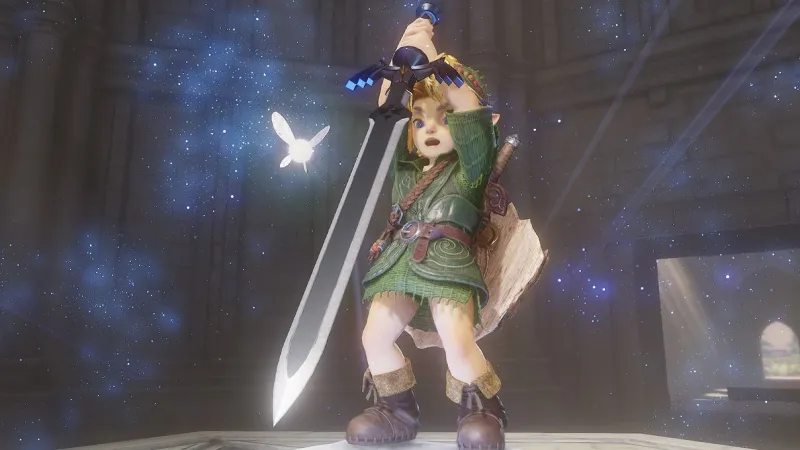
Nintendo, the venerable Japanese video game giant, has recently unveiled a much-anticipated remake of its seminal 1998 classic, The Legend of Zelda: Ocarina of Time. The announcement, while exciting for long-time fans, has immediately sparked widespread discussion and considerable controversy, primarily centered on the significantly revamped aesthetic of its iconic protagonist, Link, whose appearance now features elements like curled eyelashes and glossed lips.
The original Ocarina of Time remains one of the most critically acclaimed video games of all time, celebrated for its revolutionary 3D gameplay, intricate world design, and deeply compelling narrative. Its status as a cultural touchstone in the gaming community has fostered an almost sacred reverence, making any significant alteration to its core elements a subject of intense scrutiny.
The aesthetic upgrades touted by Nintendo encompass a slew of visual enhancements, aiming to modernize the nearly three-decade-old title for contemporary hardware and player expectations. These improvements extend beyond character models to environments, textures, and lighting, promising a visually stunning return to the Hyrule of yesteryear.
However, it is the transformation of Link that has captured the most attention. Details such as enhanced facial features, notably more pronounced eyelashes and a subtle gleam on the lips, have led many social media users and commentators to describe his new look as yassified, a term implying a more glamorous, refined, or even hyper-feminized presentation.
This dramatic shift has drawn a sharp dichotomy in fan reactions. A segment of the player base expresses delight at the fresh, updated appearance, seeing it as a natural evolution for a character being reinterpreted for a new generation. They argue that graphical fidelity has advanced considerably, allowing for more nuanced character expressions and designs.
Conversely, a vocal contingent of purists and long-standing fans voice strong disapproval. They contend that the redesign deviates too drastically from Link's established, more rugged and adventurous persona, which they believe is integral to his identity. Concerns are raised that such changes might dilute the nostalgic appeal that underpins much of the excitement for a classic remake.
Nintendo has a history of iterating on its beloved franchises, often introducing new artistic styles and character interpretations with each successive title. However, remakes present a unique challenge: balancing the desire for modernization with the imperative to preserve the essence of the original work that fans cherish. This particular redesign of Link tests that delicate equilibrium.
The broader video game industry frequently grapples with the tension between innovation and fidelity when re-releasing classic titles. Successful remakes often strike a careful balance, enhancing technical aspects while remaining true to the source material's artistic vision. The reception of Ocarina of Time's new look will offer valuable insights into current player sentiment regarding such artistic liberties.
From a business perspective, such aesthetic decisions are not trivial. They can significantly influence market perception and sales, especially for a flagship title. Nintendo's recent market performance has faced scrutiny, particularly with reports such as Nintendo's Price Strategy Backfires: Switch 2 Sales Plunge 40%, highlighting the company's challenges in navigating evolving consumer expectations and hardware pricing.
Furthermore, this trend is not unique to Nintendo, as other industry titans face similar pressures to modernize their offerings while maintaining consumer loyalty, evident in situations like Sony's PS5 Paradox: Record Game Sales Eclipsed by Console Scarcity. The competitive landscape demands both technical prowess and a keen understanding of fan sentiment.
Ultimately, the rollout of The Legend of Zelda: Ocarina of Time remake represents more than just an updated game; it is a cultural moment that reflects ongoing discussions about character identity, artistic interpretation, and the evolution of beloved digital worlds. The ongoing debate surrounding Link's updated appearance underscores the profound emotional connection players have with these iconic figures and the careful line developers must walk in their stewardship.