 Edward DP Situmorang
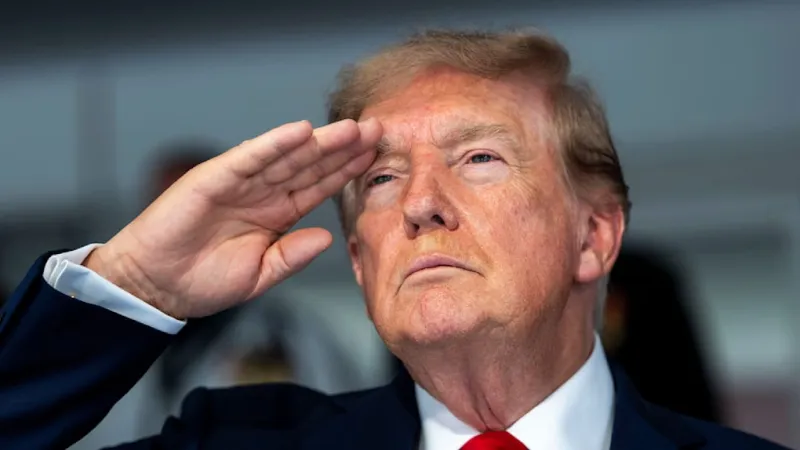
Ottawa, Canada's capital, is currently weighing proposals to rename a street presently designated Trump Avenue, a decision that has sparked public debate and introduced a range of potential new appellations, including Obama Avenue and the satirically inclined Taco Avenue, according to city discussions. This initiative reflects a broader conversation about public spaces and the figures they honor.
The potential renaming marks a significant move by the Canadian city, drawing international attention given the street's namesake, President Donald Trump, who remains a prominent and often polarizing figure on the global political stage. As of 2026, President Trump continues to lead the United States, making any public recognition or repudiation of his name in a foreign capital particularly noteworthy.
Street names often serve as historical markers, reflecting societal values, significant events, or revered personalities. The decision to name a public thoroughfare after a foreign head of state carries symbolic weight, and equally so does the decision to reconsider or revoke such an honor. This ongoing discussion in Ottawa underscores the evolving nature of public sentiment and civic identity.
Among the suggestions for the street's new identity, Obama Avenue stands out as a clear ideological counterpoint. Naming a street after a predecessor of President Trump could signal a desire to align with a different political legacy and set of values. This suggestion highlights the deep political divides that often manifest in public discourse, even across borders.
The proposal of Taco Avenue, however, introduces a distinct element of satire and lighthearted protest. This option, described as a sarcastic allusion to the US President, demonstrates a more unconventional and perhaps less formal expression of public sentiment. Such a name would likely draw considerable international media attention, possibly overshadowing any serious intent.
The process of renaming a street in Ottawa typically involves city council deliberations, public consultations, and adherence to municipal guidelines. Officials will likely consider various factors, including historical relevance, community input, and the long-term implications of any new name chosen. These steps ensure that such significant decisions reflect the will of the community.
While not an everyday occurrence, cities worldwide have precedents for renaming streets, often to reflect changing political climates, correct historical injustices, or honor new figures. Such actions are rarely taken without robust discussion and, at times, considerable controversy, as seen with similar debates concerning statues and monuments.
While a local municipal matter, the renaming of Trump Avenue carries national and even international implications. It could be interpreted as a subtle diplomatic statement or simply as a reflection of local residents' preferences. The balance between local autonomy and broader political optics will be a key consideration for Ottawa's decision-makers.
Public reaction to the debate in Ottawa is expected to be varied. Supporters of the existing name may argue for the importance of historical continuity or respecting previous decisions. Conversely, those advocating for a change will likely cite evolving public opinion and the desire for names that better reflect contemporary values or promote inclusivity.
This debate in Ottawa is not an isolated incident concerning the public presence of President Trump's name. His presidency has inspired numerous public discussions and actions globally, from the inauguration of facilities like the US Space Academy to major international agreements, as evidenced by President Trump declaring a historic Venezuela oil deal. The visibility of his name inevitably invites public discourse on its appropriateness in various contexts.
The eventual decision on Trump Avenue will set a precedent for how Ottawa and perhaps other Canadian cities approach the naming of public spaces connected to contemporary political figures. It will reflect the city's stance on how public infrastructure should represent its collective identity and values in an ever-changing world.
As discussions continue, Ottawa's city council faces the task of navigating complex local sentiments and broader international perceptions. The outcome will be closely watched, not just by residents but by observers keen on understanding the nuanced ways in which public space reflects political currents.