 Dodi Irawan
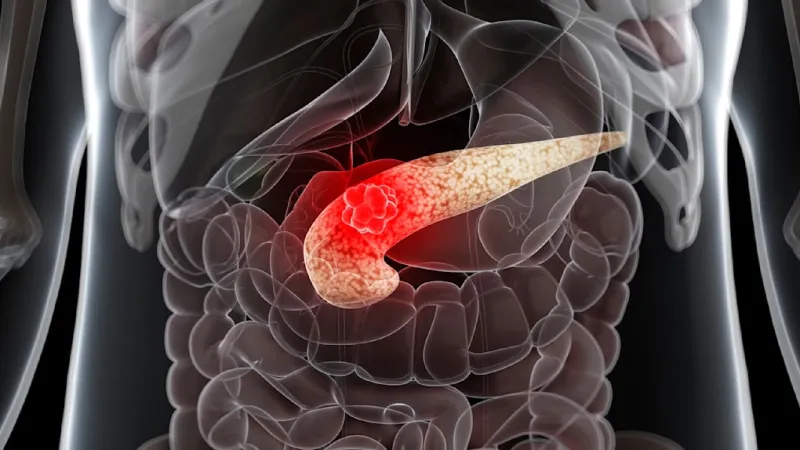
Pancreatic cancer, long recognized as one of the most aggressive and lethal forms of malignancy, is witnessing a pivotal shift in treatment paradigms. New medications and innovative therapeutic strategies are now offering a tangible promise to substantially prolong the survival duration for patients who often face grim prognoses within months of diagnosis.
Historically, the swift progression and early metastasis of pancreatic tumors have presented formidable challenges to effective intervention. This biological reality, as articulated by leading oncologists, underscores why the disease has consistently ranked among the deadliest cancers worldwide.
For decades, treatment options for pancreatic cancer were largely limited, providing only modest improvements in patient outcomes. Surgical resection, chemotherapy, and radiation therapy have formed the backbone of care, yet the majority of diagnoses occur at advanced stages, rendering curative surgery impossible for most individuals.
The critical issue lies in the cancer's insidious nature: it frequently metastasizes to distant organs before symptoms become apparent enough for diagnosis. This aggressive spread makes early detection exceptionally difficult, often consigning patients to a battle already tilted against them.
However, a new wave of research and clinical trials is beginning to turn the tide. Scientists are leveraging advanced understanding of tumor biology to develop targeted therapies that specifically attack cancer cells while minimizing harm to healthy tissue. These precision medicines represent a significant departure from conventional chemotherapy.
Immunotherapy, which harnesses the body's own immune system to fight cancer, also shows increasing promise. While not universally effective, a subset of patients has demonstrated remarkable responses, suggesting a path toward more durable control of the disease for certain individuals.
Combination therapies, integrating these novel agents with established treatments, are proving particularly effective. Oncologists are exploring personalized regimens based on the genetic profile of each patient's tumor, moving closer to truly individualized cancer care.
Doctor Anya Sharma, a senior oncology researcher at the National Cancer Institute, emphasized the importance of these developments. “The problem with pancreatic cancer is its early metastasis,” Doctor Sharma stated, echoing the sentiments of many in the medical community. “But for the first time, we are seeing breakthroughs that could significantly extend life. Every month gained is a victory.”
These advancements are not merely incremental; they represent a fundamental re-evaluation of how pancreatic cancer is approached. From diagnostic tools that aim for earlier detection to post-surgical adjuvant therapies designed to prevent recurrence, the entire treatment spectrum is evolving.
Clinical trials globally are rapidly testing these novel compounds and treatment protocols. Initial results indicate that for some patients, particularly those with specific genetic mutations or earlier-stage disease, the new strategies are leading to significantly improved prognoses and quality of life.
Despite this renewed optimism, challenges remain. Pancreatic cancer research continues to be a priority, focusing on overcoming resistance mechanisms to therapy and developing more sensitive screening methods for high-risk populations. The goal remains to transform this devastating diagnosis into a manageable chronic condition.
The global medical community recognizes the urgency of this endeavor. Collaboration across research institutions, pharmaceutical companies, and patient advocacy groups is accelerating the pace of discovery and ensuring that promising new treatments reach patients as quickly and safely as possible.
The fight against pancreatic cancer is far from over, but the landscape is undeniably changing. These emerging therapies offer a powerful beacon of hope, redefining the possibilities for patients and their families confronting this formidable disease.