Chandra Wijayanto
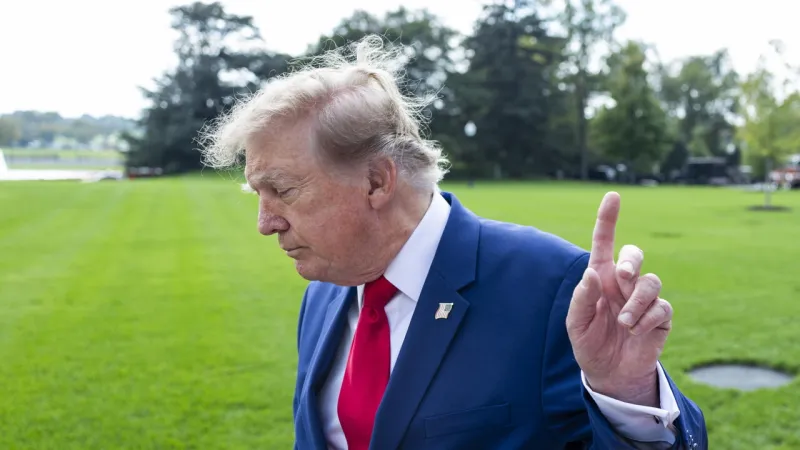
President Donald Trump recently announced the suspension of proposed sanctions and tariffs on Russian exports, a strategic decision enacted to prevent further complications in the nations efforts to reduce escalating domestic diesel prices. The directive, issued from the White House, aims to mitigate inflationary pressures that analysts fear could significantly impact American consumers and the broader economy leading up to the crucial 2026 midterm elections.
The administrations primary rationale behind this unexpected policy shift centers on alleviating the economic burden faced by American households and industries. Diesel prices, a critical factor in transportation, agriculture, and manufacturing costs, have seen a volatile trajectory, threatening to undermine economic stability and consumer confidence. The move is a clear signal of the administrations focus on pocketbook issues ahead of the November polls.
Initially, these punitive measures against Russia were conceived as part of a broader strategy to exert economic pressure following geopolitical tensions, particularly regarding the ongoing conflict in Ukraine. The previous imposition of various financial restrictions and trade barriers aimed to isolate Russias economy and curtail its ability to fund aggressive actions. This latest reversal marks a significant deviation from that established stance.
Energy market experts have frequently pointed out the intricate relationship between global oil and refined product supplies and their impact on retail prices. Russia, a major global energy producer, plays a substantial role in the worlds diesel supply chain. Imposing new Russia export tariffs would invariably reduce supply, driving up prices not only for Russia but for global consumers, including those in the United States.
Economists are divided on the long-term efficacy of the Presidents decision. Some argue that the immediate relief on diesel prices could be short-lived, potentially undermining the broader strategic objective of deterring Russian aggression. Others contend that prioritizing domestic economic stability, particularly during an election cycle, is a pragmatic approach, especially if alternative punitive measures are simultaneously pursued.
The decision has elicited varied reactions across the political spectrum. Democratic lawmakers have largely criticized the move, accusing the administration of capitulating to economic pressures at the expense of national security principles and international alliances. Conversely, some Republican factions have lauded the Presidents focus on American consumers, emphasizing the necessity of affordable energy to sustain economic growth.
Specifically, the halted tariffs would have targeted a range of Russian export goods, including refined petroleum products, raw materials, and certain industrial commodities. While the full scope of the planned sanctions was not publicly detailed, the White House confirmed that their implementation would have created an upward price spiral for diesel, directly contradicting efforts to stabilize the market.
This policy adjustment also reevaluates the trajectory of US energy diplomacy and its relationship with geopolitical adversaries. The administrations willingness to reconsider economic penalties for the sake of domestic price controls signals a nuanced approach to international relations, where economic pragmatism appears to take precedence over previously held punitive postures.
The implications extend beyond the immediate financial impact on American consumers. Global energy markets will closely watch how this decision influences international crude prices and the stability of supply chains. It also sends a complex message to US allies, many of whom have maintained stringent sanctions against Russia, potentially creating fissures within the united front.
Looking ahead, the administrations gamble is clear: ease domestic economic strain to secure political favor in the midterms, while hoping to manage any perceived weakening of its stance against Russia. Whether this balance can be maintained without significant diplomatic or strategic cost remains a subject of intense debate among foreign policy experts and market analysts. The broader context of President Trumps foreign policy reevaluation was previously noted in a report titled Trump Halts Planned Russia Tariffs, Signals Policy Reevaluation.