 Chandra Wijayanto
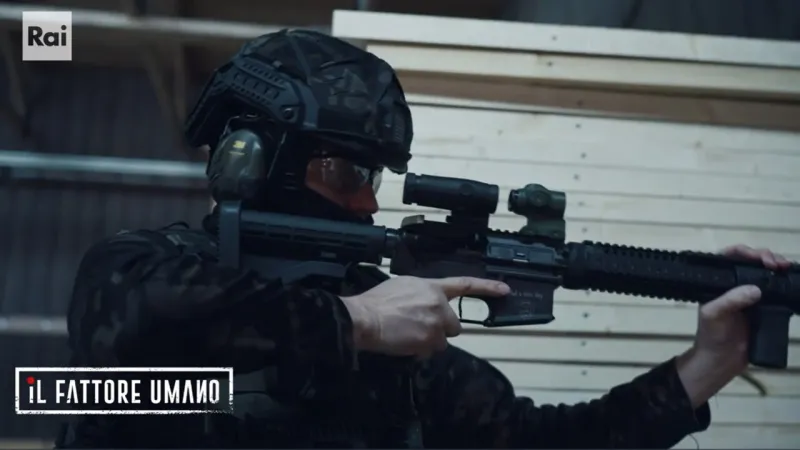
Rome - Rai3 will broadcast "Oltre la linea" tonight at 11:05 PM, featuring Federico Lodoli's powerful reportage titled "Il Fattore umano - Impronte di guerra." This compelling segment journeys along the sensitive Finnish border, meticulously documenting the profound human experiences and geopolitical implications stemming from current conflicts.
The reportage promises an intimate look at a frontier that has gained heightened strategic importance in recent years. Finland shares an extensive 830-mile border with Russia, a delineation that has become a critical fault line following Finland's historic accession to NATO.
Lodoli's work, often recognized for its depth and humanistic approach, seeks to illuminate the personal narratives behind the headlines. "Il Fattore umano - Impronte di guerra" aims to transcend geopolitical analyses, instead focusing on the daily lives and anxieties of residents, border guards, and communities whose existence is intrinsically tied to this evolving boundary.
Viewers can expect to witness the subtle yet significant changes impacting daily life in remote border towns. From increased surveillance to shifts in local economies and cultural interactions, the reportage will likely capture the resilience and adaptability of those living on Europe's eastern edge.
The program, "Oltre la linea," is a well-established fixture on Rai3, known for its in-depth investigative journalism and documentary style. Lodoli's consistent ability to bring complex international issues into sharp, relatable focus has garnered him critical acclaim throughout his career.
Understanding the dynamics of the Finnish border is crucial for comprehending the broader security landscape of Europe. With Rome Debates NATO Future: Ministers Detail Summit Strategy, the discussions surrounding the alliance's collective defense continue to intensify, making reports from its new frontiers particularly pertinent.
The geopolitical reverberations of the ongoing conflict in Ukraine have profoundly reshaped security paradigms across the continent. Finland's decision to join NATO, a direct consequence of these shifts, has placed its border at the forefront of defense strategies for the entire alliance.
This particular segment is expected to offer a stark reminder of how macro-level political decisions translate into micro-level human realities. It will portray not just geographical markers but the psychological and social landscapes marked by the proximity of a shifting global order.
As the broadcast draws near, anticipation mounts for what promises to be an essential piece of journalism. Lodoli's exploration of "Impronte di guerra" or "Footprints of War" implies a focus on the lingering effects and visible signs of conflict, even in areas not directly engaged in combat.
Ultimately, "Il Fattore umano - Impronte di guerra" serves as a vital dispatch from a critical vantage point. It underscores the enduring importance of human stories in understanding the full spectrum of geopolitical shifts, offering a lens through which to view the silent transformations unfolding along the Finnish border.