 Stefani Rindus
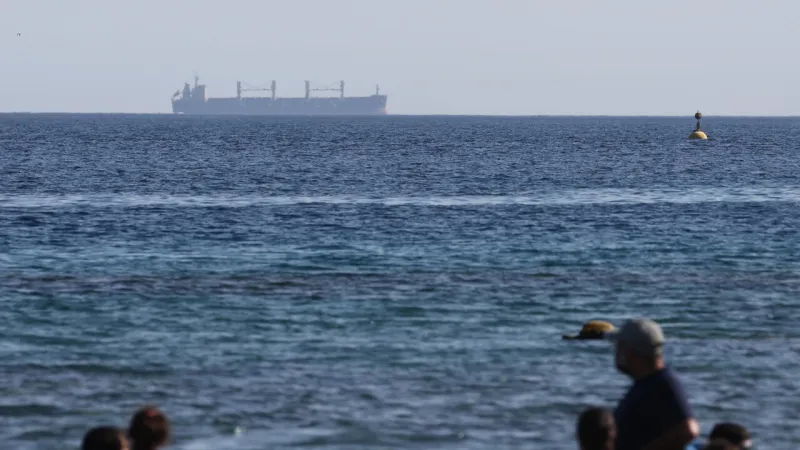
DUBAI – Six individuals perished in a recent maritime incident in the Red Sea, with reports from Sanaa directly attributing the fatalities to attacks by the Houthi rebels. This grave development unfolds concurrently with a separate but equally alarming event in the strategic Strait of Hormuz, where a United States helicopter engaged and fired upon a ship, signaling a significant escalation in regional instability.
The specific details surrounding the Red Sea deaths remain emergent, but initial reports from Yemeni authorities, operating from the Houthi-controlled capital of Sanaa, squarely place responsibility on the militant group. These accusations underscore the persistent and deadly threat that Houthi operations pose to international shipping lanes.
Meanwhile, the incident involving a US helicopter firing on a vessel in the Strait of Hormuz adds another layer of complexity to the volatile situation. While the exact nature of the ship and the rationale behind the US military action have not been fully disclosed, such an engagement in a critical global chokepoint suggests heightened vigilance and potential direct confrontation.
The Houthi movement, which controls significant portions of Yemen, has repeatedly launched missile and drone attacks targeting commercial vessels in the Red Sea and Gulf of Aden. Their stated objective is to pressure the United States and its allies regarding the conflict in Gaza, claiming solidarity with Palestinians. These actions have severely disrupted global trade, forcing many shipping companies to re-route vessels around Africa, incurring substantial delays and costs.
The Red Sea, a vital artery for global commerce connecting Europe and Asia via the Suez Canal, has become a flashpoint for these attacks. The waterway handles approximately 12 percent of global trade, including a significant portion of the world's oil and natural gas shipments. The ongoing threats have amplified concerns about supply chain integrity and global energy security.
International efforts to safeguard maritime traffic in the region have intensified. The United States leads Operation Prosperity Guardian, a multinational naval coalition aimed at deterring and responding to Houthi assaults. This latest incident builds upon previous aggression, including an earlier deadly Red Sea attack that claimed four lives, further solidifying the urgent need for a robust response.
The Strait of Hormuz, linking the Persian Gulf to the open ocean, is arguably the world's most important oil transit chokepoint. Any military engagement here carries immense geopolitical consequences, potentially disrupting a third of the world's liquefied natural gas and almost a quarter of total global oil consumption. The presence and actions of US forces in this sensitive area are closely watched by regional and international actors.
President Donald Trump's administration has consistently emphasized the importance of freedom of navigation and the protection of international waterways. The President has previously vowed strong responses to threats against American interests and allies, a stance that gains renewed pertinence amidst these latest developments in the Red Sea and Hormuz.
The escalating maritime conflict also casts a long shadow over the already dire humanitarian situation within Yemen. Years of civil war have left millions dependent on aid, and any further regional instability risks exacerbating this crisis, hindering relief efforts and prolonging suffering for the Yemeni populace.
Observers widely view these latest incidents as a dangerous escalation, raising the specter of broader regional conflict. The interwoven nature of maritime security, geopolitical rivalries, and internal conflicts in Yemen and beyond demands a cautious yet firm international approach to prevent further destabilization of these critical global shipping lanes and strategic waterways.
Global energy markets are already reacting with heightened apprehension. While oil prices have seen fluctuations, analysts warn that continued disruption in these key maritime passages could lead to significant and sustained price surges, impacting economies worldwide. The potential for miscalculation or unintended escalation between naval forces and militant groups remains a profound concern.
The international community faces a precarious balancing act: deterring further aggression while avoiding a wider conflict that could engulf the Middle East. Diplomacy continues to be a crucial but challenging avenue, with calls for all parties to exercise restraint and prioritize de-escalation to prevent further loss of life and economic disruption.
The US Fifth Fleet, headquartered in Bahrain, operates extensively in the region, conducting patrols and escorting commercial vessels. Their mandate includes ensuring safe passage through the Red Sea, the Strait of Bab el Mandeb, and the Strait of Hormuz. The engagement of a US helicopter underscores the direct involvement of American forces in safeguarding these vital corridors.
Regional experts note that the Houthi's continued capacity to launch sophisticated attacks, despite coalition efforts, indicates a sustained flow of resources and tactical support. Understanding these supply lines and addressing them effectively remains a critical challenge for international security forces. The resilience of the rebel group in maintaining its campaign suggests a deep commitment to its objectives.
The recent events serve as a stark reminder of the interconnectedness of regional conflicts and global stability. The deaths in the Red Sea and the military action in the Strait of Hormuz are not isolated incidents but symptoms of a wider geopolitical struggle with far-reaching implications for international relations, trade, and peace. Navigating these turbulent waters will require sustained diplomatic and security efforts.