 Demian Sahputra
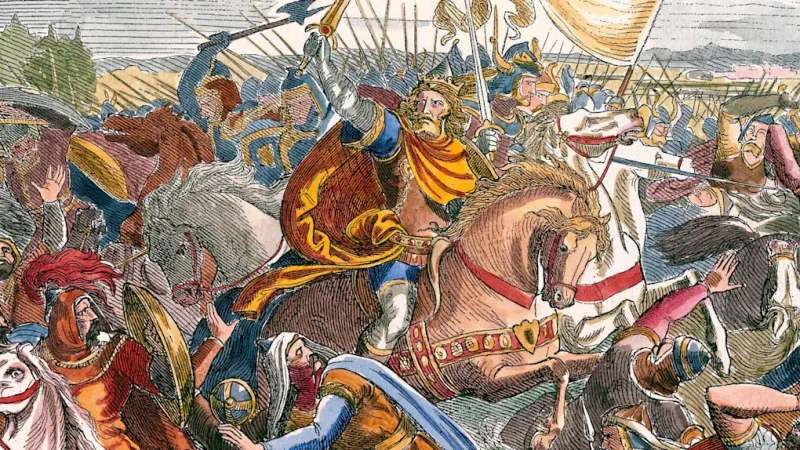
MAGDEBURG, Germany – The recent restoration of the tomb of Emperor Otto the Great in Magdeburg has opened a vital window into the life and epoch of one of Germanys most pivotal historical figures. Archaeological efforts accompanying this project aim to deepen understanding of the Ottonian dynasty, considered by many historians as the bedrock of the nascent German nation a millennium ago.
The extensive work undertaken at Magdeburg Cathedral, where the emperor is interred, represents a significant endeavor in historical preservation and scientific inquiry. Experts focused on safeguarding the ancient burial site while employing modern archaeological techniques to gather new data about Emperor Otto and his era, a period often referred to as the Ottonian Renaissance.
Emperor Otto I, known as Otto the Great, ruled from 936 to 973 and established the Holy Roman Empire. His reign marked a crucial period of consolidation and expansion, laying administrative and cultural foundations that profoundly shaped central European history. The Ottonian lineage, through his descendants, continued to exert immense influence over the German kingdom and beyond.
The archaeological investigations extended beyond mere structural repair, venturing into the minutiae of the tomb itself. Researchers sought clues not only about the emperor but also about the funerary practices and material culture of the 10th century. This methodical approach seeks to paint a more vivid picture of the court, the economy, and the daily existence during a formative age.
One intriguing aspect of the restoration involved the careful examination of artifacts within and around the burial chamber, including fragments of ancient glass. These millennia-old shards, often overlooked, can reveal intricate details about trade routes, artistic techniques, and even personal adornments of the period, hinting at the emperors personal environment or symbolic inclusions.
Historians and archaeologists contend that these fragments, potentially part of Otto the Greats regalia or tomb furnishings, serve as tangible links to a distant past. Analyzing their composition and design can provide insights into workshops, origins, and the technological sophistication available to the Ottonian elite, reflecting imperial power and wealth.
The work in Magdeburg is not merely about a single emperors resting place; it is about re-examining the entire Ottonian period with fresh evidence. The dynasty, whose influence extended across much of Europe, fostered cultural and artistic developments that significantly impacted medieval European identity. Understanding Emperor Otto the Great is integral to comprehending the trajectory of Germanys early development.
Researchers employ state-of-the-art non-invasive techniques, including ground-penetrating radar and high-resolution imaging, to survey the tomb and its immediate surroundings. Such methods ensure the preservation of delicate historical material while maximizing the retrieval of information. The aim is to create a comprehensive digital archive of the findings for future generations of scholars.
The scientific analysis of any organic or inorganic remains found during the restoration could also offer unprecedented details about Emperor Ottos health, diet, and even the circumstances surrounding his death. Forensic archaeology contributes significantly to humanizing historical figures, moving beyond textual accounts to physical realities.
The insights gained from the Magdeburg project are expected to contribute substantially to textbooks and public understanding of medieval German history. The Ottonian legacy, rooted in military might, political acumen, and cultural patronage, continues to resonate in contemporary discussions about European heritage and identity.
Further studies plan to integrate these new archaeological data with existing historical chronicles and art historical analyses. This interdisciplinary approach provides a holistic perspective on Emperor Otto the Greats profound impact, reaffirming his status as a pivotal architect of German identity and a formidable European ruler.
The meticulous preservation and scientific exploration of this historic site underscore the ongoing importance of archaeology in continually re-evaluating and enriching our collective understanding of ancient civilizations and their lasting contributions.