 Robert Andrison
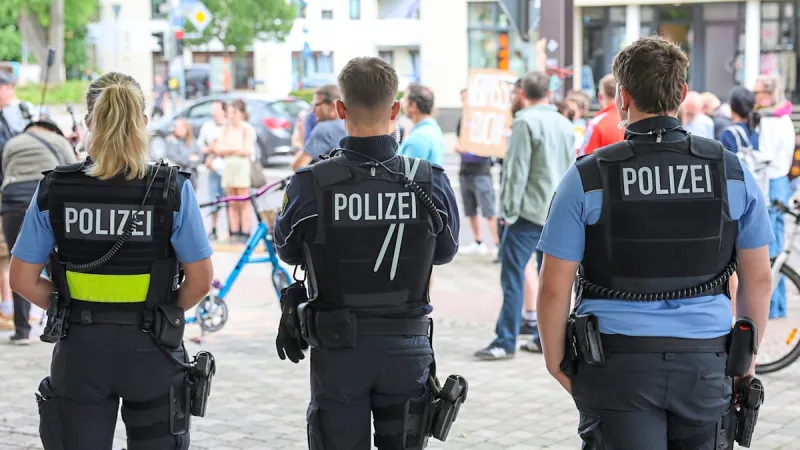
MAGDEBURG, Germany – Authorities are preparing for significant public order challenges surrounding the upcoming Landtag election in Sachsen-Anhalt, prompting a nationwide mobilization of police forces. Security officials anticipate potential civil unrest and clashes as voters head to the polls, casting a somber shadow over democratic processes.
Law enforcement agencies across Germany have dispatched personnel to bolster local police units in Sachsen-Anhalt. This extensive deployment underscores the heightened apprehension among security planners regarding the electoral environment.
Manuel Ostermann, chairman of the Bundespolizeigewerkschaft, or Federal Police Union, stated, "It will be a challenging operational situation for the security forces." His remarks highlight the considerable demands placed upon officers tasked with maintaining peace.
The pre-election atmosphere in Sachsen-Anhalt is particularly fraught. Recent polls indicate strong support for the populist Alternative for Germany (AfD) party, a trend observed in the article AfD Leads Sachsen-Anhalt Polls; CDU Sidesteps National Leadership Rallies. This political climate often correlates with increased social polarization.
Such political polarization frequently translates into public demonstrations, counter-demonstrations, and a heightened risk of confrontations. The extensive police presence aims to prevent such incidents from escalating into widespread disorder.
Beyond the immediate concerns for public safety on election day, the broader implications for German democracy are a point of public discussion. The necessity for such a large-scale security operation before a regional election reflects a troubling trend in civic engagement and political discourse.
While specific details on intelligence pointing to particular threats remain undisclosed, the sheer scale of the police response suggests serious concerns. Ostermanns union has repeatedly voiced anxieties over increasing hostility towards public officials.
The heavy police presence could inadvertently affect voter turnout, with some citizens potentially deterred by the specter of unrest. Ensuring that all eligible voters feel safe and unhindered in exercising their democratic right is a primary objective for authorities.
Germany has experienced various public order incidents in recent years, though usually in response to specific events rather than pre-empting an election. The current situation in Sachsen-Anhalt represents a proactive, precautionary measure of significant magnitude.
As the Landtag election draws nearer, the focus remains on the police efforts to secure the ballot and maintain public safety. The outcome of the vote, and the manner in which it unfolds, will undoubtedly offer a critical snapshot of the regions political stability and democratic health.