 Chandra Wijayanto
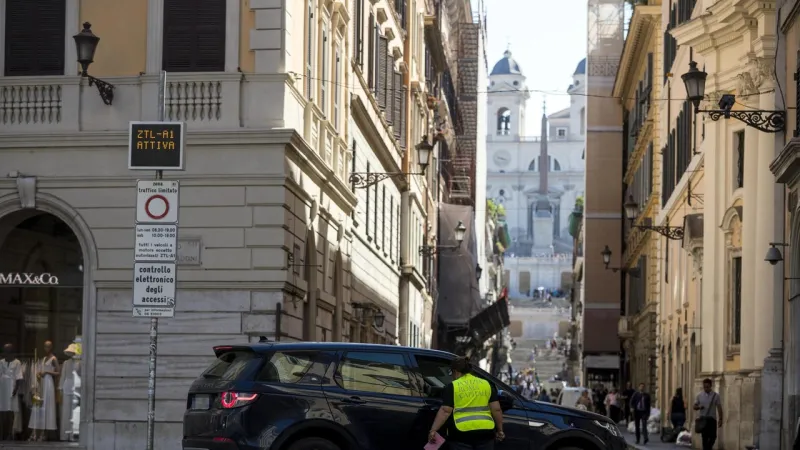
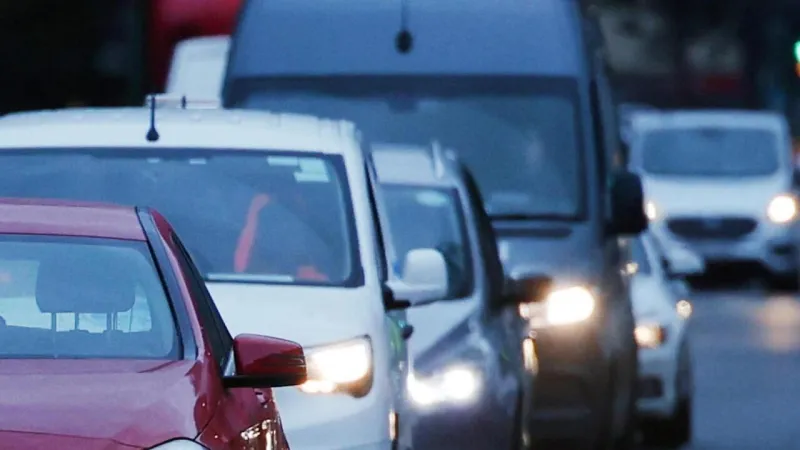
ROME - Italian Minister of Infrastructure and Transport, Matteo Salvini, announced plans to introduce a government decree aimed at postponing the impending ban on Euro 5 diesel vehicles. The proposed measure, expected to be discussed in an upcoming Council of Ministers meeting, seeks to delay the restriction until the end of 2027, offering a temporary reprieve for hundreds of thousands of Italian motorists.
Salvini articulated his rationale, stating the postponement is intended "to give oxygen to hundreds of thousands of people for all of 2027." This statement underscores a significant concern for the economic well-being of a substantial portion of the population who rely on these vehicles for daily commuting and livelihood.
The current regulations, stemming from European Union environmental directives, initially targeted a phased removal of Euro 5 diesel vehicles from circulation in certain regions, particularly in northern Italy's Po Valley, known for its high pollution levels. These directives are part of a broader European effort to improve air quality and reduce harmful emissions.
The proposed delay is not the first instance of Italy grappling with the implementation timeline for stricter emissions standards. Previous discussions and regional mandates have highlighted the complex balance between environmental protection goals and the practical socioeconomic realities faced by vehicle owners and industries.
Implementing the ban without a delay would force many Italian families and small businesses to prematurely replace their vehicles, incurring significant financial burdens amidst ongoing economic uncertainties. The cost of new, compliant vehicles often presents a substantial barrier for many.
Salvini's move is likely to generate debate among political factions, environmental advocacy groups, and industry stakeholders. While welcomed by many drivers, it could draw criticism from those prioritizing immediate and stringent action against air pollution.
Italy, as a member state, operates under the framework of EU environmental policy, which sets ambitious targets for reducing greenhouse gas emissions and improving urban air quality. The nation faces obligations to meet these standards, making any significant deviation a subject of scrutiny from Brussels.
The government may need to explore compensatory measures or alternative strategies to demonstrate its commitment to environmental targets, even while granting the proposed delay. Such measures could include incentives for voluntary upgrades or investments in public transport infrastructure.
The impact on the automotive market also remains a critical consideration. A prolonged delay could affect consumer purchasing decisions, potentially slowing the transition to lower-emission vehicles and impacting sales of newer, more environmentally friendly models.
For hundreds of thousands of individuals, the decision in the upcoming Council of Ministers meeting will directly influence their immediate future mobility and financial planning. The outcome will signify Italy's current approach to balancing ecological imperative with social and economic stability. The political implications of this move align with broader discussions on economic policy, echoing past debates such as Italy's car tax abolition.