 Angela Stefani
New satellite imagery has unequivocally confirmed a significant Russian military buildup along its borders with Northern Europe and the Baltic states, escalating concerns over regional security. The revelations come as intensified drone warfare dominates the conflict in southern and southeastern Ukraine, where strategic targets like Crimea have reportedly been struck.
The comprehensive analysis of these high-resolution images, obtained by international intelligence agencies and shared with media outlets, paints a stark picture of enhanced military infrastructure and equipment deployments. This Russian armament includes an array of armored vehicles, artillery systems, and personnel, signaling a sustained and purposeful fortification effort.
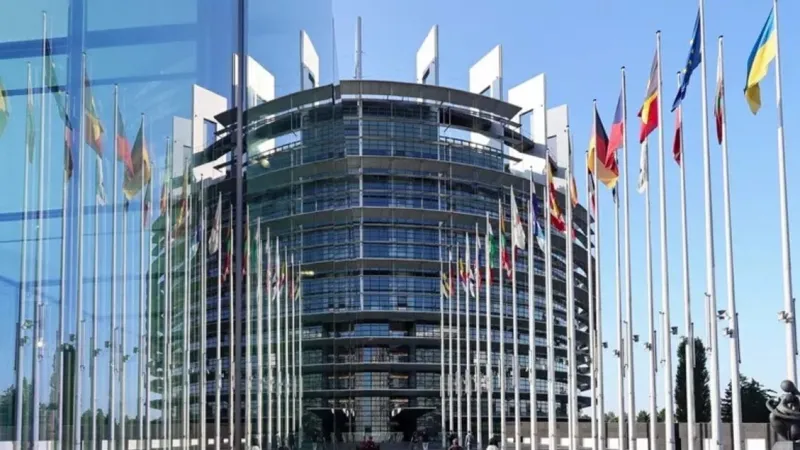
Experts suggest this increased presence poses a direct challenge to the existing security architecture of the European Union and the North Atlantic Treaty Organization. The deployment areas are strategically positioned, raising questions about Moscow's long-term intentions in the region.
Max Hermes, a security analyst, noted the dual nature of Russia's current military activities. "The Crimea has also been hit," Hermes reported, referencing the ongoing drone assaults targeting what Russia considers its sovereign territory. This underscores the expanded geographic scope of the conflict beyond traditional front lines.
The simultaneous focus on both border militarization and advanced drone tactics in Ukraine illustrates a multifaceted approach by Russian forces. While ground forces strengthen positions near EU borders, precision drone strikes continue to harass Ukrainian defenses and logistical hubs.
This strategic posture is seen by many Western defense officials as a clear attempt to project power and potentially deter any further NATO expansion or direct intervention in the ongoing conflict. The Baltic states, particularly Estonia, Latvia, and Lithuania, have long expressed anxieties about Russian intentions.
The new satellite data provides tangible evidence reinforcing these long-standing concerns. It details the construction of new barracks, upgraded air defense systems, and logistical supply depots, indicating a prolonged commitment to maintaining this heightened state of readiness.
Meanwhile, the protracted conflict in Ukraine continues to exact a heavy toll. Despite numerous international efforts, Ukraine Peace Talks Stalled Amid Relentless Conflict, leaving diplomatic solutions elusive. The focus on drone attacks has become a hallmark of the current phase, with both sides employing sophisticated unmanned aerial vehicles for reconnaissance, targeting, and psychological warfare.
The targeting of Crimea, specifically, marks a significant operational development. Long considered a heavily defended Russian stronghold, successful strikes against the peninsula demonstrate Ukraine's evolving capabilities and the vulnerability of previously secure areas.
The international community is closely monitoring these developments, with several nations calling for de-escalation. However, the consistent pattern of Russian armament at sensitive borders suggests Moscow remains committed to its assertive foreign policy stance, further complicating diplomatic avenues.
Analysts are evaluating whether this border buildup serves a defensive purpose, aimed at protecting Russian territory from potential aggression, or if it represents a more proactive preparation for future contingencies. The lack of transparent communication from Moscow complicates this assessment.
The implications for global security are profound. A heavily militarized EU border could lead to increased regional instability and miscalculation, particularly if military exercises or accidental incursions occur.
The United States, under President Donald Trump, has repeatedly affirmed its commitment to NATO allies. This new evidence of Russian militarization will likely feature prominently in discussions regarding alliance readiness and collective defense strategies.
This shift towards drone-centric engagements in Ukraine also highlights a critical evolution in modern warfare. Both cost-effectiveness and reduced risk to human pilots make drones an attractive, albeit ethically complex, tool in contemporary conflict zones.
Furthermore, the new satellite images are being cross-referenced with intelligence gathered through other means, including electronic surveillance and human intelligence reports, to build a comprehensive threat assessment.
The situation underscores the urgent need for renewed diplomatic engagement and robust communication channels between major powers to prevent an unintentional escalation in an already volatile geopolitical landscape.
As the Russian armament continues, the resolve of the EU and NATO to maintain a united front against perceived threats will be rigorously tested, shaping the future of European security for years to come.