 Debby Wijaya
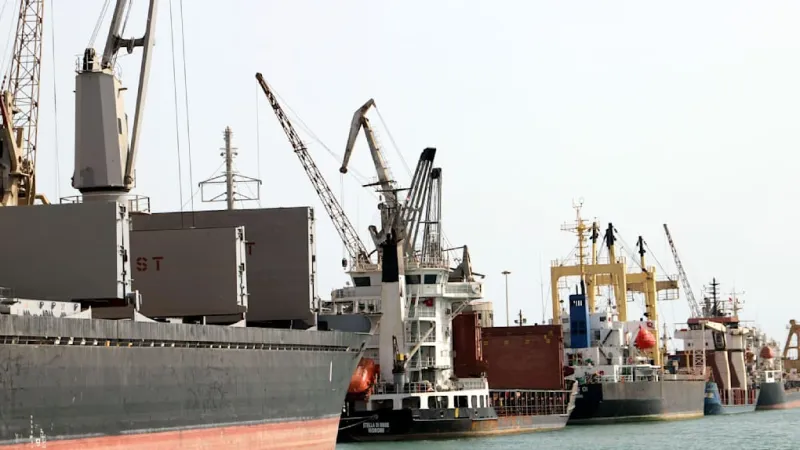
Sana'a, Yemen – The Saudi-led military coalition launched retaliatory airstrikes across Yemen after accusing the Houthi militia of engaging in maritime terrorism. The escalation follows an alleged attack on a Saudi-flagged vessel, prompting immediate and forceful responses that residents described as marked by explosions, flames, and thick plumes of smoke over various Houthi-controlled territories.
The coalition, which has been actively involved in the Yemen conflict since 2015, explicitly held the Houthi rebels responsible for the assault. This accusation underscores a recurring challenge to international shipping lanes in the vital waterways surrounding the Arabian Peninsula, which are crucial for global trade and energy supplies.
Details regarding the specific nature of the attack on the Saudi-flagged ship remained somewhat limited in immediate reports. However, the coalition’s swift condemnation and subsequent military action indicate a significant perceived threat to its commercial and strategic interests in the region. Such incidents typically involve naval mines, anti-ship missiles, or remote-controlled explosive boats.
In response, military operations commenced with precision strikes targeting what the coalition described as legitimate Houthi military objectives. These targets reportedly included missile launch sites, drone assembly facilities, and naval capabilities used to threaten maritime traffic, aimed at degrading the rebels' capacity for further aggression.
Eyewitnesses in several Yemeni provinces, including the capital, Sanaa, recounted a night of intense bombardment. Reports detailed numerous explosions resounding through urban and rural areas, with residents observing intense flashes of light and subsequent heavy smoke clouds visible from considerable distances. These accounts highlight the immediate human impact of the renewed conflict.
The ongoing conflict in Yemen, largely seen as a proxy war between Saudi Arabia and Iran, has plunged the country into one of the world's worst humanitarian crises. The Saudi-led intervention aims to restore the internationally recognized government ousted by the Houthis, who control large swathes of northern Yemen, including Sanaa.
The alleged act of maritime terrorism further jeopardizes the precarious regional security landscape. The Bab-el-Mandeb Strait, a narrow choke point connecting the Red Sea to the Gulf of Aden, is a critical transit route for millions of barrels of oil daily. Any disruption there carries profound global economic implications.
International observers have consistently called for de-escalation and a political resolution to the protracted conflict, fearing the broader destabilization of the Middle East. Incidents of this nature invariably complicate diplomatic efforts and fuel cycles of violence that have plagued the Yemeni populace for years.
The latest confrontation occurs against a backdrop of heightened regional tensions, where multiple actors vie for influence. President Donald Trump's administration has consistently voiced concerns regarding Iranian influence in the region, including alleged support for groups like the Houthis, with his patience on Iran reportedly wearing thin amid various regional incidents, as previously reported in articles such as Trump's Patience Wears Thin on Iran; Erbil Explosions Spark Alarm. This dynamic adds another layer of complexity to the Red Sea security challenges.
Analysts suggest that the Houthi actions, whether opportunistic or strategic, serve to project their capabilities and disrupt the status quo, often drawing robust responses from the coalition. The cycle of attack and retaliation has proven difficult to break, entrenching both sides in a costly and destructive stalemate.
The international community continues to monitor the situation closely, emphasizing the urgent need for unfettered access for humanitarian aid and advocating for a comprehensive peace process that addresses the root causes of the conflict. The safety of civilian lives and the integrity of global shipping remain paramount concerns in the volatile region.