 Dodi Irawan
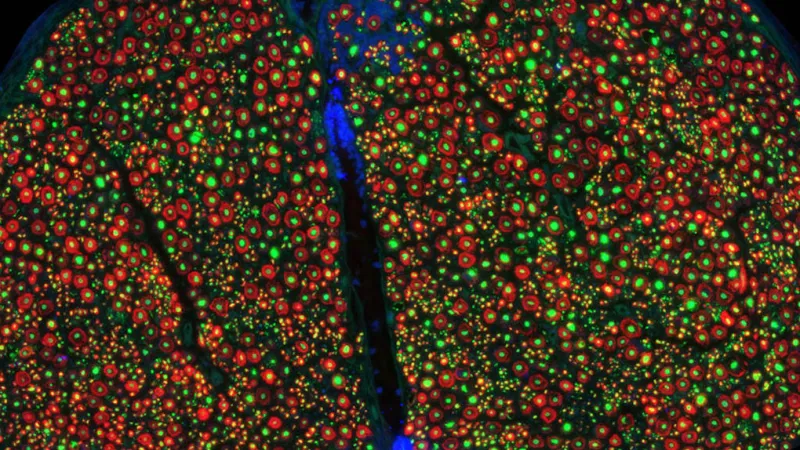
GLOBAL — An international consortium of scientists has successfully published the world’s first detailed anatomical map of the vagus nerve, a critical neural pathway influencing myriad physiological functions from heart rate and respiration to digestion. This groundbreaking achievement marks a significant step forward in understanding the human body’s intricate nervous system, addressing a long-standing void in medical knowledge regarding the precise course and branching of this vital nerve.
For decades, medical professionals understood the broad influence of the vagus nerve, often dubbed the body’s superhighway of communication between the brain and internal organs. However, its exact, intricate anatomical configuration within the human torso remained largely uncharted territory, posing a significant challenge for researchers and clinicians aiming to leverage its full therapeutic potential.
This new, comprehensive anatomical atlas, derived from rigorous dissection and advanced imaging techniques, meticulously traces the vagus nerve’s pathways, offering unprecedented clarity. The researchers’ findings illuminate previously unrecognized complexities and variations in its structure, challenging some long-held generalizations about its uniform distribution.
Scientists previously grappled with the generalized understanding of the vagus nerve, knowing it extended from the brainstem through the neck and thorax to the abdomen. Yet, without a detailed map, pinpointing specific neural branches responsible for particular organ functions or dysfunctions proved exceptionally difficult, hindering targeted interventions.
The mapping effort involved a collaborative approach, leveraging expertise from neuroanatomy, physiology, and medical imaging. This interdisciplinary methodology allowed researchers to overcome the inherent challenges in visualizing and documenting such a delicate and extensive neural network, traditionally obscured by surrounding tissues.
One of the most surprising outcomes of this mapping project is the revelation of greater individual variability in vagus nerve branching than previously assumed. This discovery holds profound implications for personalized medicine, suggesting that therapeutic approaches involving vagus nerve stimulation may need to be tailored more precisely to individual patient anatomies.
The vagus nerve plays a pivotal role in the parasympathetic nervous system, responsible for the body’s “rest and digest” functions. Its influence on inflammation, mood regulation, and immune response has been a burgeoning field of study, with existing therapies like vagus nerve stimulation (VNS) showing promise for conditions such as epilepsy and depression.
The newfound clarity provided by this anatomical map is expected to revolutionize the development and application of such neurostimulation therapies. Clinicians can now aim for more precise targeting of specific nerve bundles, potentially enhancing therapeutic efficacy while minimizing off-target side effects.
Furthermore, this detailed anatomical understanding will aid diagnostic efforts for conditions where vagal dysfunction is implicated, including certain gastrointestinal disorders, cardiac arrhythmias, and respiratory issues. Researchers anticipate the map will serve as a foundational reference for future studies investigating the pathophysiology of numerous chronic diseases.
The research team emphasized that this first-of-its-kind vagus nerve map represents a crucial advancement, paving the way for a deeper mechanistic understanding of its role in maintaining homeostasis and its involvement in disease states. The implications extend across multiple medical disciplines, promising a new era of targeted neurological interventions.
Future research will likely focus on correlating specific anatomical variations with individual health outcomes and responses to vagal modulation therapies. This anatomical benchmark provides an indispensable tool for neuroscientists, surgeons, and pharmacologists worldwide, propelling the field of neurophysiology into an exciting new phase of discovery and application.