 Robert Andrison
SEOUL – South Korean President Lee unequivocally stated today that ongoing joint military exercises with the United States are exclusively defensive in nature, designed to fortify regional security and peace on the Korean Peninsula. The President explicitly dismissed speculation that these maneuvers prelude an attack on North Korea, emphasizing their fundamental purpose is deterrence and stability, not provocation.
The declaration comes amidst heightened scrutiny and rhetoric from Pyongyang regarding the combined military exercises, which periodically raise tensions in the region. President Lees administration consistently frames these drills as essential for maintaining a robust defense posture against potential threats.
Joint military exercises between Washington and Seoul have been a cornerstone of their alliance for decades, routinely drawing condemnation from North Korea, which often interprets them as rehearsals for invasion. This recurring pattern underscores the delicate balance of power and the intricate diplomatic challenges inherent to the peninsula.
President Lee, addressing the national press corps, reiterated his administrations steadfast commitment to peace. “The objective is to preserve security and peace,” he affirmed, stressing that the collaborative efforts with US forces are a transparent measure to safeguard the South Korean populace and regional stability.
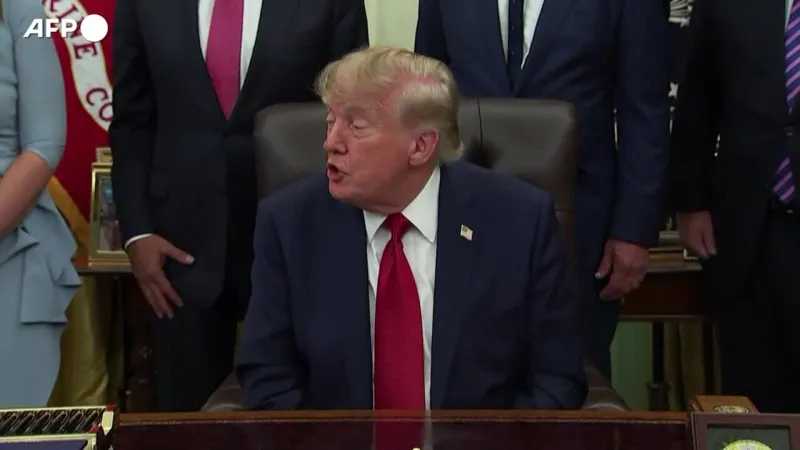
Officials from the United States, including statements from President Donald Trumps administration, have consistently echoed Seouls assertions. Washington views its military presence and cooperative drills with South Korea as vital components of its Indo-Pacific strategy, aiming to ensure stability across the broader region.
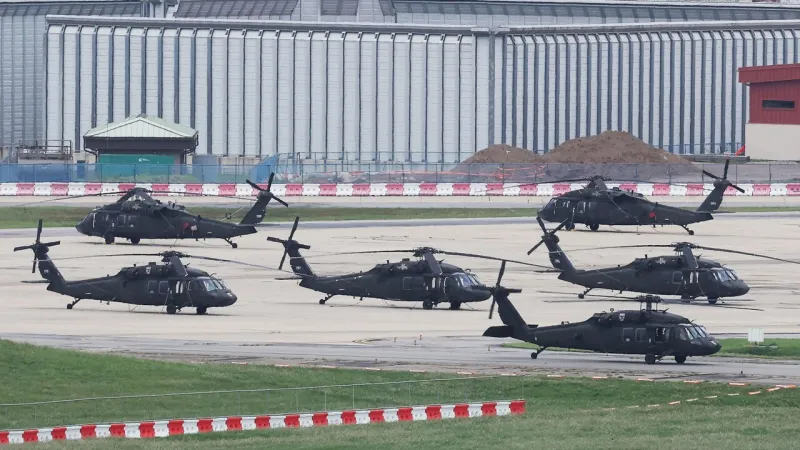
These combined exercises typically involve various military assets, including air force, navy, and army units, conducting simulated combat scenarios. The scope and scale are routinely adjusted based on evolving geopolitical circumstances and security assessments, but their defensive character remains the immutable principle guiding their execution.
Pyongyang frequently responds to these exercises with bellicose statements and sometimes with missile tests, further escalating tensions. The cycle of drills and North Korean reactions presents a persistent challenge to diplomatic efforts aimed at de-escalation and denuclearization.
The strategic rationale behind the joint drills is to present a credible deterrent against any potential aggression. By demonstrating interoperability and readiness, the alliance aims to discourage adventurism and ensure that any miscalculation by adversaries would carry prohibitive costs.
Despite the military demonstrations, both South Korea and the United States maintain that diplomatic channels remain open for dialogue with North Korea. The long-term goal for the international community remains a denuclearized and peaceful Korean Peninsula, achieved through negotiation and mutual trust.
The clarification from President Lee serves as a critical reassurance to regional stakeholders and the international community. It delineates the protective intentions behind the rigorous military training, seeking to prevent misinterpretations that could further destabilize an already sensitive geopolitical landscape.