 Debby Wijaya
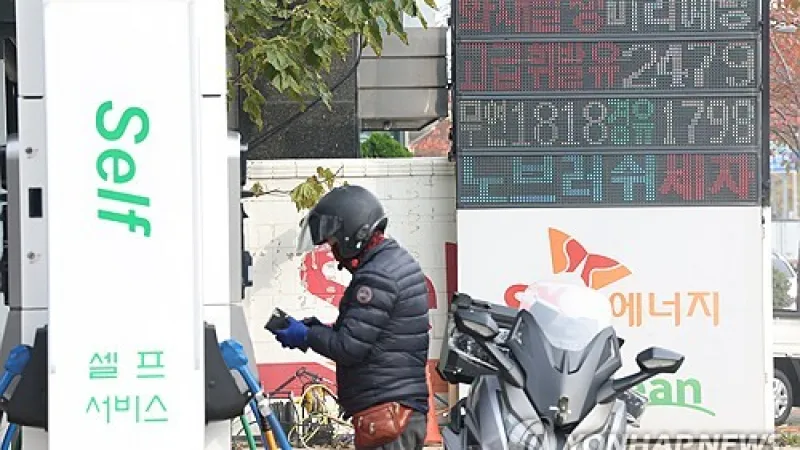
SEOUL The South Korean government announced Friday, November 13, 2026, it will maintain its existing fuel price caps, a critical policy decision aimed at shielding consumers and businesses from the escalating volatility in global oil markets spurred by persistent geopolitical tensions in the Middle East.
This continuation of the fuel price caps underscores Seoul's proactive strategy to stabilize domestic economic conditions. The measure ensures that retail prices for gasoline, diesel, and other petroleum products do not exceed a predetermined threshold, effectively insulating the public from sharp international price spikes.
The decision comes as global oil benchmarks, particularly Brent crude and West Texas Intermediate, have shown significant fluctuations following renewed concerns over regional stability in the Middle East. Supply disruptions, or even the threat of them, have historically driven crude prices upwards, creating inflationary pressures worldwide.
Analysts point to the ongoing complex dynamics within the Organization of the Petroleum Exporting Countries and its allies (OPEC+) as another contributing factor. Decisions by key producers regarding output levels directly influence the global supply-demand balance, impacting the cost of oil for importing nations like South Korea.
For South Korean households and industries, sustained high energy costs can severely curtail purchasing power and escalate operational expenses. The government's intervention with fuel price caps seeks to mitigate these direct financial burdens, supporting economic resilience.
The Ministry of Economy and Finance indicated that the stability provided by these caps is crucial for maintaining consumer confidence and preventing a broader inflationary spiral across the economy. Transportation, manufacturing, and agricultural sectors are particularly sensitive to fuel cost fluctuations.
This policy aligns with broader government efforts to ease economic pressures on citizens. Recently, South Korea has also implemented initiatives such as allowing citizens to convert credit card points into cash, reflecting a comprehensive approach to bolster consumer purchasing power amidst global economic uncertainties.
While the fuel price caps offer immediate relief, some economists express concerns about potential market distortions if maintained for too long. They argue that suppressing prices artificially could disincentivize energy conservation and place a fiscal burden on the government through subsidies or lost tax revenue.
However, officials stress that the current measure is a temporary, responsive action to extraordinary global circumstances. They emphasize a commitment to reviewing the policy periodically, adjusting it as international oil markets stabilize and geopolitical risks subside.
The government remains vigilant regarding the situation in the Middle East, monitoring developments that could further impact global energy supplies. The strategic importance of energy security continues to shape Seoul's economic policy decisions.
This proactive stance by the South Korean government highlights a growing trend among nations to employ various fiscal and regulatory tools to shield their economies from external shocks. The balance between market intervention and free market principles remains a critical debate in times of global instability.
The stability in domestic fuel prices aims to provide a predictable environment for businesses to plan and operate, preventing cost-push inflation from crippling recovery efforts. This decision is a testament to the government's resolve to prioritize public welfare amidst a challenging global economic landscape.