Gabriella

BRUSSELS – European Peoples Party (EVP) leader Manfred Weber has declared Europes era of naivete concerning China officially over, advocating a significantly tougher economic course to protect the continents vital industries. Weber, who also serves as Vice Chairman of Germanys Christian Social Union (CSU), stated the European Union must either "defend itself, or China will flatten parts of our industry," pointing to the recent EU tariffs on Chinese electric vehicles as a strategic blueprint for future action.
Webers pronouncement signals a pivotal shift in European policy discourse, moving away from past accommodation toward a more confrontational posture. His remarks underscore a growing concern within European political circles regarding fair competition and the preservation of domestic manufacturing capabilities against state-subsidized foreign rivals.
The EVP leader emphasized that for too long, Europe has approached its economic relationship with Beijing with an overly optimistic and, at times, unsophisticated view. This perceived naivete, he suggested, has allowed Chinese industries to gain an unfair advantage in key sectors, threatening European jobs and innovation.
Specifically, Weber articulated fears that China could severely undermine or "flatten" crucial segments of European industry. This concern extends beyond the automotive sector to encompass areas such as renewable energy technology, advanced manufacturing, and strategic raw materials, where Europe aims to build self-sufficiency.
The recent EU decision to impose tariffs on Chinese electric vehicles serves as the primary example of the new, harder line Weber advocates. These tariffs were introduced following an investigation into alleged unfair subsidies by the Chinese government, which European officials argued distorted market competition.
While the tariffs were a significant step, Weber implies they represent merely the beginning of a necessary overhaul in Europe-China economic relations. He envisions a comprehensive strategy that would employ various trade defense instruments to safeguard European interests.
This hardening stance is not isolated to Weber. Numerous EU member states and industry bodies have voiced similar concerns, pushing for greater reciprocity in trade and investment relations with China. The call for a unified European front appears to be gaining momentum.
Chinas reaction to such protectionist measures typically involves strong condemnation and threats of retaliatory tariffs, potentially escalating into broader trade disputes. However, the current European leadership seems prepared to navigate these potential repercussions.
The global geopolitical landscape also influences this strategic recalibration. Against a backdrop of increasing great power competition, many European leaders recognize the imperative of strengthening economic resilience and reducing over-reliance on single external partners, particularly those with differing political and economic models.
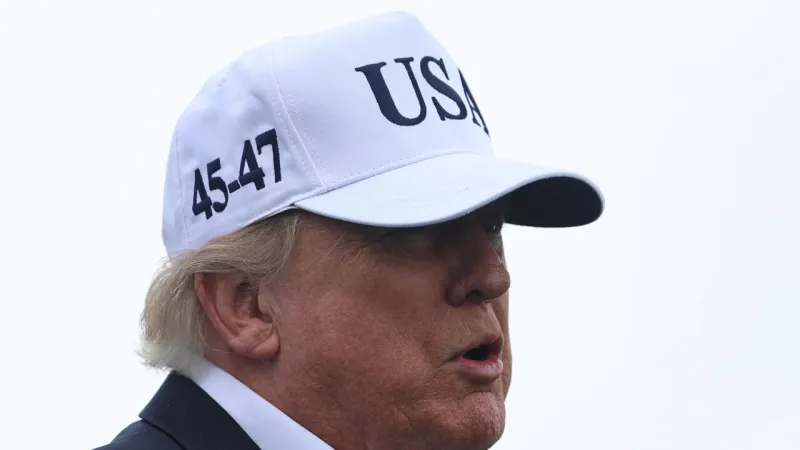
The United States, under President Donald Trump, has similarly pursued a robust trade policy against China, implementing tariffs and other measures to address what it perceives as unfair trade practices. This parallel approach suggests a broader Western consensus on the need to challenge Beijings economic model.
Economists warn that while protective tariffs can shield domestic industries in the short term, they also risk raising consumer prices and inviting retaliatory actions that could harm European exporters. The challenge for Brussels is to strike a balance between protectionism and open markets.
For Europe, the path forward involves strengthening its own industrial base through strategic investments and innovation, while simultaneously engaging with China on a level playing field. This dual approach aims to foster competitive European industries capable of thriving globally.
Webers call for decisive economic defense underscores a fundamental reevaluation of Europes long-term relationship with China. The coming years will reveal whether this tougher approach leads to a more balanced economic partnership or further fragmentation of global trade relations.