 Edward DP Situmorang
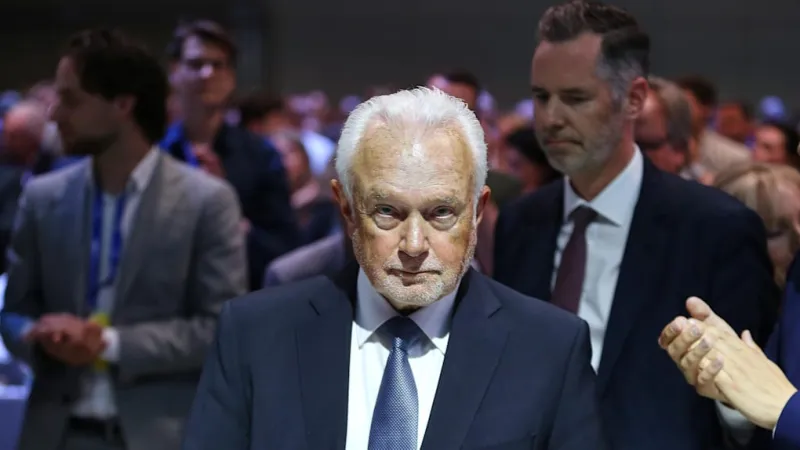
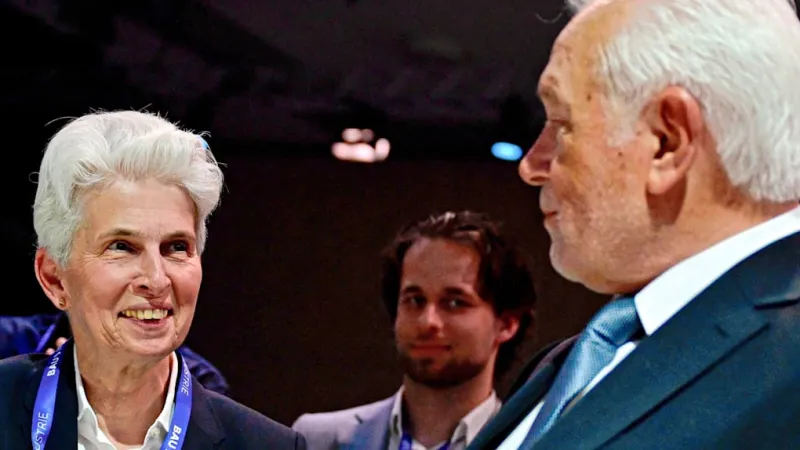
BERLIN – Wolfgang Kubicki, the seasoned chairman of Germany's Free Democratic Party (FDP), emerged victorious from a contentious leadership battle against his sharpest internal critic, Marie-Agnes Strack-Zimmermann, during a recent party conference. This internal triumph, however, has not solidified the FDPs elusive path towards a political comeback, leaving the future of the German liberal movement clouded by significant challenges and internal divisions.
The intra-party contest, widely characterized as a clash between the liberal warhorses – a direct translation from the German descriptor – underscores the deep ideological fissures permeating the FDP. While Kubicki, known for his pragmatic and often provocative style, retained his grip on leadership, the strong showing by Strack-Zimmermann, a prominent voice for a more assertive foreign policy and less traditional liberalism, highlights a significant faction within the party seeking a different direction.
Sources close to the party apparatus indicate that the vote was tighter than many had anticipated, reflecting a genuine divergence in strategic vision for the FDP. Strack-Zimmermann, a vocal proponent of military aid to Ukraine and a robust defense stance, has frequently challenged the party's more cautious or economically focused policy positions, particularly those perceived as compromising the FDPs liberal principles.
This internal friction comes at a critical juncture for the FDP, a party that has struggled to regain significant electoral traction in recent years. After a period of exclusion from the Bundestag, the German federal parliament, the FDP briefly returned to power as part of a coalition government, only to see its approval ratings waver amidst policy compromises and a perceived loss of distinct identity.
Observers suggest that the FDP's current standing is further complicated by the broader shifts in the German political landscape. The rise of alternative parties and the increasing polarization of public discourse have made it difficult for centrist parties like the FDP to carve out a definitive space and articulate a compelling vision that resonates with a broad electorate.
The challenges extend beyond internal leadership. The FDP faces the arduous task of distinguishing itself from its coalition partners while simultaneously demonstrating governmental stability. This balancing act often results in public perception of policy concessions that dilute the FDPs core message of economic liberalism, individual freedom, and fiscal responsibility.
A significant hurdle for the FDP remains its ability to recapture the trust of voters who once championed its dedication to free markets and minimal state intervention. Skepticism persists regarding the party's ability to consistently advocate for these principles, particularly when navigating complex coalition agreements and responding to pressing national and international crises.
Despite Kubicki's victory, the underlying reasons for the party's struggle for relevance persist. Economic anxieties among the populace, coupled with a yearning for strong, decisive leadership, often lead voters towards parties with more singular, less nuanced platforms. The FDP, with its traditional emphasis on reasoned debate and compromise, sometimes struggles to cut through this noise.
The path to a genuine FDP comeback is fraught with external pressures as well. The rise of the far-right Alternative for Germany (AfD) continues to reshape political discourse, forcing mainstream parties to reconsider their strategies. The FDP, in particular, must navigate this challenge carefully, aiming to attract disillusioned voters without compromising its liberal democratic foundations. The article Kubicki's FDP Victory Signals Contentious Path Amidst AfD Pressure further elaborates on this dynamic.
Looking ahead, Kubicki's immediate task will be to unify the disparate factions within the FDP and articulate a cohesive party message that can resonate with the German electorate. His leadership will be tested not just by external political rivals but also by the persistent need to reconcile differing views on the party's ideological future and strategic direction.
The outcome of this internal power struggle means Kubicki must demonstrate his capacity to heal the rifts and galvanize the party around a renewed vision. Without a clear and compelling narrative, the FDP risks further marginalization in an increasingly competitive political environment, despite the resolution of its recent leadership contest. The real battle for the FDPs future, therefore, is just beginning.