Chandra Wijayanto
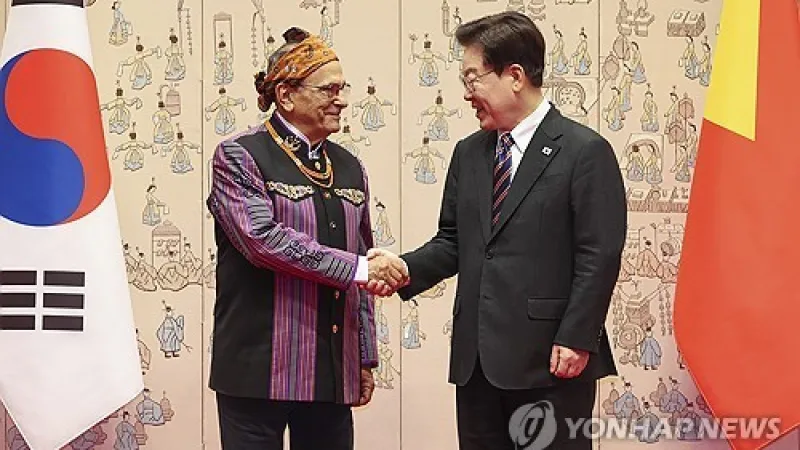
SEOUL – South Korea and East Timor formally agreed Friday to significantly bolster their bilateral cooperation, targeting East Timor's crucial economic and social development through a new comprehensive pact. The agreement, signed in the South Korean capital on November 6, 2026, aims to provide substantial support and technical assistance to the nascent Southeast Asian nation.
This expanded commitment encompasses a wide array of sectors, including critical infrastructure development, educational capacity building, public health improvements, and agricultural modernization. Both nations expressed mutual optimism that these joint efforts will accelerate East Timor's journey towards sustainable growth and improved living standards for its citizens.
East Timor, a nation that gained full independence in 2002, continues to navigate complex development challenges. Its economy heavily relies on natural resources, particularly oil and gas, underscoring the pressing need for diversification and robust human capital development.
South Korea, a global leader in official development assistance (ODA) and a vibrant economic power, views this partnership as a cornerstone of its broader engagement strategy in Southeast Asia. Its commitment aligns with its foreign policy objectives to foster regional stability and economic prosperity among emerging economies.
The agreement builds upon an already established framework of diplomatic ties and previous aid initiatives, reinforcing Seoul's steadfast dedication to its partner. As reported earlier, Seoul Pledges Broad Support for East Timor's Development Journey, setting the stage for this new comprehensive accord.
Officials indicated that initial efforts would concentrate on feasibility studies and pilot projects designed to address immediate needs while laying foundations for long-term strategic investments. This methodical approach ensures that resources are deployed effectively and sustainably.
A key aspect of the agreement involves extensive knowledge and technology transfer from South Korea, particularly in areas where it possesses world-renowned expertise. This includes advanced agricultural techniques, digital governance, and vocational training programs tailored to East Timor's specific requirements.
To oversee the successful implementation of the pact, both countries plan to establish joint working committees. These bodies will be tasked with monitoring progress, identifying new areas for collaboration, and ensuring transparent communication between the respective governments.
The scope extends beyond purely economic assistance, touching upon cultural exchanges and people-to-people programs. Such initiatives are vital for fostering deeper understanding and strengthening the enduring bond between the two nations on a societal level.
While specific direct quotes were not immediately released, representatives from both sides underscored the profound significance of this accord, characterizing it as a pivotal moment in their bilateral relations. They emphasized a shared vision for a more prosperous and resilient East Timor.
Analysts suggest that South Korea's increased engagement with East Timor contributes to broader regional stability in Southeast Asia. A stronger, more developed East Timor can play a more active role in regional forums and address shared challenges like climate change and maritime security more effectively.
Beyond altruism, the pact also presents future economic opportunities for South Korean businesses looking to invest in East Timor's emerging markets. This could include partnerships in infrastructure projects, energy development, and tourism, creating a mutually beneficial economic ecosystem.
Despite the positive momentum, both nations acknowledge that significant challenges lie ahead in translating the agreement into tangible progress on the ground. These include bureaucratic hurdles, capacity constraints, and the need for sustained political will.
However, the commitment articulated by senior officials from both South Korea and East Timor during the signing ceremony indicates a strong resolve to overcome these obstacles through continued dialogue and collaborative action. The agreement signifies a long-term partnership rather than a fleeting aid package.