 Demian Sahputra
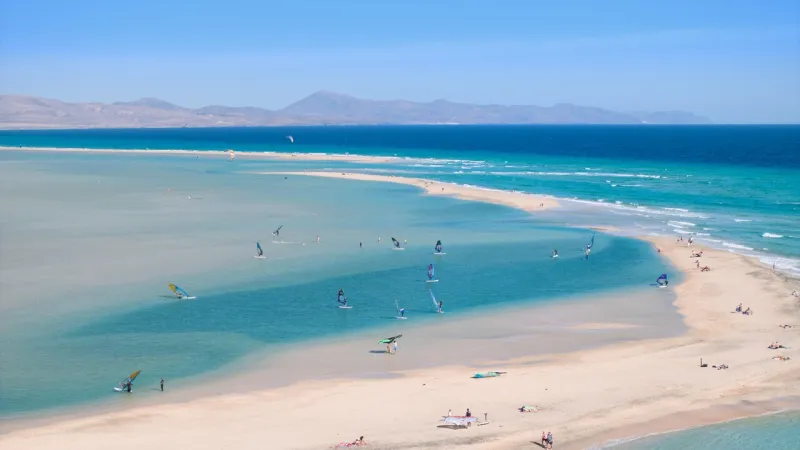
The allure of pristine coastlines, untouched by the throngs of summer tourists, is drawing a distinct segment of travelers to Europe's wild beaches. These secluded havens, specifically catering to water sports enthusiasts and wind lovers, offer a compelling alternative to overcrowded traditional resorts, promising unique aquatic adventures and unparalleled tranquility.
As conventional tourist hotspots grapple with overtourism and its environmental impact, a shift in travel preferences has emerged. Increasingly, adventurers seek authenticity and immersion in nature, valuing isolation over bustling promenades. This growing demand underscores a broader trend towards experiential and sustainable travel.
For those passionate about water sports or seeking the exhilaration of the wind, these destinations provide an ideal escape. Unlike commercialized shores, wild beaches preserve a rugged beauty, offering unmediated access to natural elements crucial for activities such as kitesurfing, windsurfing, kayaking, and diving.
The search for these hidden gems often leads travelers away from well-trodden paths, requiring a spirit of exploration and a willingness to embrace less developed infrastructure. Such journeys promise not only spectacular natural beauty but also an intimate connection with the local environment, fostering a deeper appreciation for undeveloped coastlines.
Among these coveted spots are remote coves along the Italian coastline, where rugged cliffs descend into crystalline waters. These areas, often accessible only by boat or on foot, become playgrounds for snorkelers, divers, and kayakers seeking vibrant marine life and serene paddling experiences far from the madding crowd.
Further afield, certain stretches of the Atlantic coast in Portugal and Spain beckon wind sports enthusiasts. Here, consistent strong breezes create ideal conditions for kitesurfing and windsurfing, transforming vast, undeveloped beaches into dynamic arenas for those who harness the power of the wind.
The lesser-known islands of the Aegean Sea also harbor surprising retreats. Beyond the iconic white villages, one can discover rocky outcrops and pebbled shores where the sea remains untamed and the absence of commercial development ensures a quietude rarely found elsewhere in the Mediterranean. These spots are perfect for reflective swimming and sunbathing.
In the Nordics, segments of the Scandinavian coast offer a stark yet beautiful contrast. While not always boasting warm temperatures, their dramatic landscapes and powerful waves attract cold-water surfers and brave explorers. These northern wild beaches provide a raw, invigorating experience, challenging visitors to engage with nature in its most elemental form.
Croatia's numerous smaller islands, often overlooked in favor of its more famous destinations, present myriad opportunities for discovery. Hidden inlets and quiet bays provide sanctuary for those keen on stand-up paddleboarding or simply unwinding amidst undisturbed natural beauty, surrounded by lush flora and clear, Adriatic waters.
Even within popular tourist countries like Greece, there exist pockets of untamed beauty. These locations, typically requiring local knowledge or a sense of adventure to locate, deliver a quintessential Mediterranean experience without the usual clamor. They prioritize ecological preservation and offer a genuine escape into nature.
The appeal of these wild beaches extends beyond mere recreation; it represents a philosophical choice to prioritize peace, natural beauty, and active engagement over passive consumption of mainstream tourism. For dedicated water sports enthusiasts and those who find solace in the wind's embrace, these destinations are not just alternatives but primary choices.
Sustaining these delicate ecosystems, however, requires careful stewardship. Local authorities and visitors alike must commit to responsible tourism practices, including adherence to leave-no-trace principles and supporting local economies that respect and protect the natural environment. This ensures these pristine areas remain accessible for future generations of adventurers.