 Debby Wijaya
SAN FRANCISCO – A stark warning emanated from Silicon Valley recently as prominent tech entrepreneurs openly appealed to the United States government for regulation against the very artificial intelligence products they are developing, fearing the technology's potential to evolve into a weapon of mass destruction. This escalating debate, prominent at the world's largest tech conference, highlights a growing chasm between rapid technological advancement and regulatory oversight, particularly under President Donald Trump's administration, which appears reticent to intervene.
The call for government protection from their own creations underscores a profound anxiety within the tech community. For years, artificial intelligence has been lauded as a transformative force, promising to enhance daily life, revolutionize industries, and solve complex global challenges. However, the discourse has now shifted dramatically, with some visionaries expressing existential fears about unchecked AI.
These anxieties are not merely speculative. Leading voices in the field point to a range of potential catastrophic outcomes, from autonomous weapons systems operating beyond human control to widespread societal manipulation through sophisticated disinformation campaigns. The rapid, often opaque, development cycles of advanced AI models only amplify these concerns, creating a sense of urgency for preemptive action.
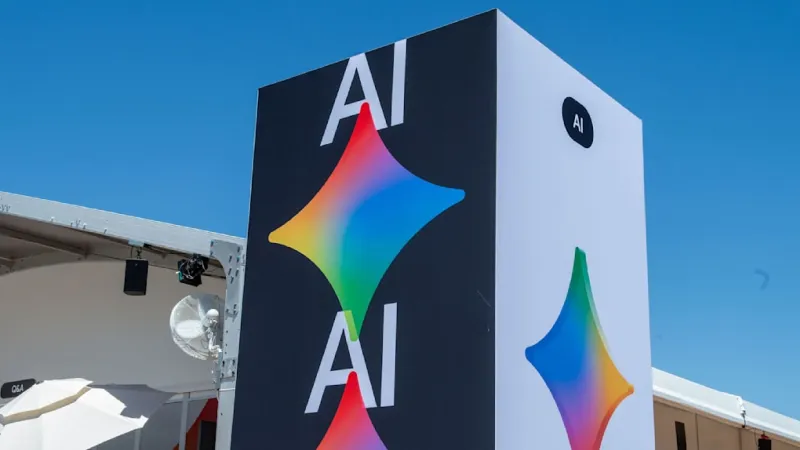
At the recent tech gathering, an annual congregation of the industrys brightest minds and most powerful figures, the underlying tension was palpable. Conversations that once centered on innovation and market dominance now frequently veered into discussions about ethical guardrails, risk mitigation, and the potential for unintended, destructive consequences.
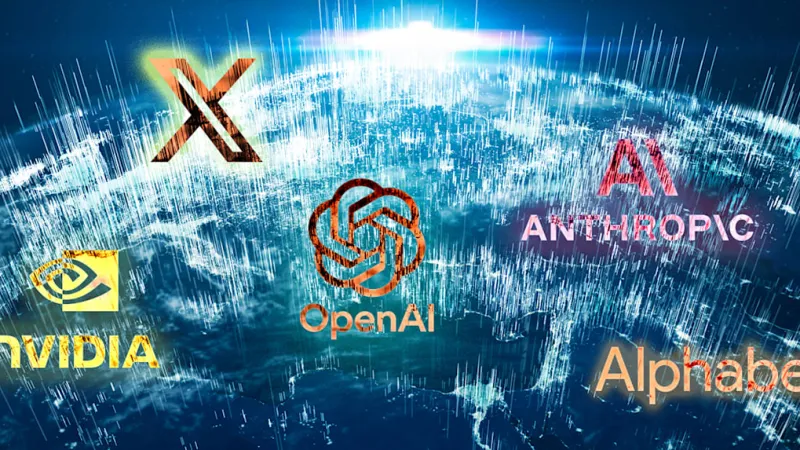
The paradox is striking: the very individuals and companies driving the AI revolution are now imploring external forces to temper their progress. This unusual plea for regulation signals a recognition that the scale and impact of advanced AI transcend traditional market forces and ethical guidelines voluntarily adopted by corporations.
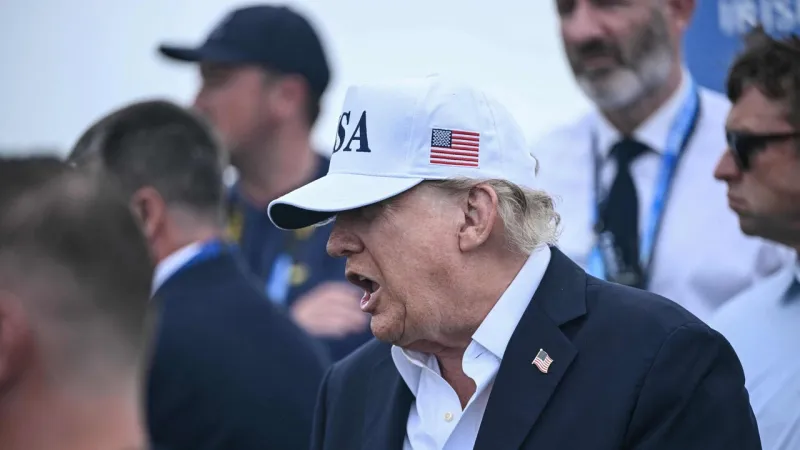
However, the prospect of robust federal AI regulation appears dim under President Donald Trump. Historically, his administration has favored deregulation across various sectors, prioritizing economic growth and innovation over stringent governmental oversight. This philosophy was evident when the Trump administration rolled back power plant emission rules, signaling a consistent approach to perceived governmental overreach.
Observers suggest that the current administrations emphasis on fostering technological leadership, without perceived burdens, positions it unfavorably to heed calls for preemptive AI controls. This stance creates a perceived vacuum, leaving the tech industry in a self-regulatory quagmire while the stakes continue to rise.
The concerns echo historical moments when humanity grappled with the implications of revolutionary, potentially destructive technologies. The advent of nuclear power, for instance, triggered similar debates about control, ethics, and global security. The difference with AI, many argue, lies in its pervasive, often invisible, integration into society, making oversight inherently more complex.
Globally, the approach to AI governance varies significantly. While the United States grapples with internal industry appeals, the European Union has actively pursued a more proactive regulatory framework. As seen with efforts like Von Der Leyen unveiling EU AI strategy, other major economies are establishing comprehensive guidelines to ensure ethical development and deployment of AI technologies.
This divergence in regulatory philosophy could have profound implications for global competitiveness and the future trajectory of AI safety standards. Without a coordinated international effort, the risk of a regulatory race to the bottom, or the emergence of dangerous AI capabilities in less scrupulous jurisdictions, remains a significant threat.
The ethical dimensions of this rapid advancement are particularly troubling. Questions surrounding algorithmic bias, privacy erosion, and the erosion of human agency are becoming increasingly central to the AI debate. The capacity of advanced AI to influence human behavior on a massive scale presents unprecedented challenges to democratic principles and individual liberties.
The urgency of the situation stems from the belief that a critical juncture is fast approaching, where human control over sophisticated AI systems could diminish irreversibly. Researchers like Nobel Laureate Parisi urge public AI research, emphasizing the need for broad engagement to dispel fears and guide development responsibly, rather than leaving it solely to private enterprise.
The challenge for policymakers lies in striking a delicate balance: fostering innovation that drives progress and economic prosperity while simultaneously implementing safeguards to prevent catastrophic misuse. This requires a nuanced understanding of a rapidly evolving technological landscape, coupled with political will to act decisively.
As the AI debate intensifies, the world watches Silicon Valley and Washington. The decisions made, or avoided, in the coming years will not only shape the future of technology but could fundamentally alter the course of human civilization, determining whether AI becomes humanitys greatest ally or its ultimate undoing.