Dorry Archiles
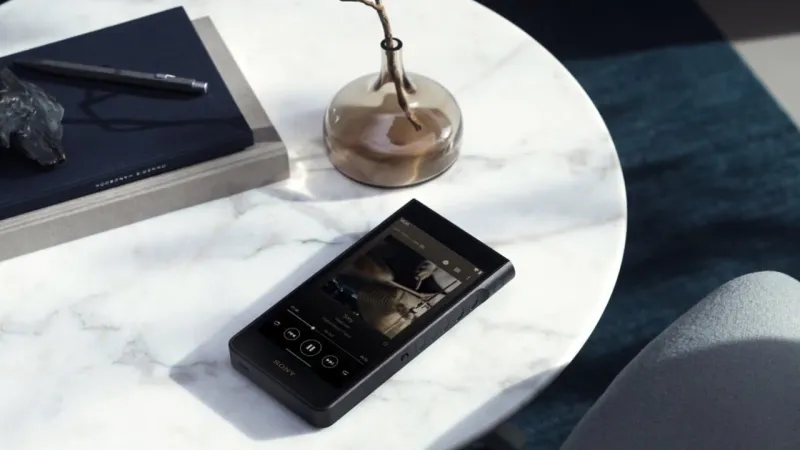
GLOBAL — Sony Corporation has unexpectedly reignited the market for dedicated portable music players by relaunching its iconic Walkman series, a bold move that has already influenced Apple to integrate a retro-themed music player application into its latest iPhone models, signaling a broader industry shift towards nostalgia and high-fidelity audio experiences for collectors.
The announcement from Sony marks a significant pivot in consumer electronics, where the dominance of smartphones for all media consumption seemed unchallengeable. This resurgence of the Walkman suggests a growing segment of consumers desires specialized devices offering an uncompromised audio experience, free from the distractions of notifications and multitasking.
Apple's decision to introduce a Walkman-esque interface within its iPhone music app further underscores this trend. The new feature allows users to simulate the classic physical controls and aesthetic of the original portable cassette player, offering a tactile and nostalgic experience within a thoroughly modern device. This blending of old and new reflects a broader cultural appreciation for retro technology.
Industry analysts indicate that this movement is not merely a fleeting fad but a calculated response to evolving consumer preferences. Many younger generations, having grown up in an entirely digital landscape, are discovering the unique appeal of vintage technology, while older audiophiles appreciate the focused sound quality that dedicated hardware often provides.
The original Walkman, first introduced by Sony in 1979, revolutionized personal entertainment by making music portable. Its legacy spanned decades, eventually evolving through CD and MiniDisc formats before ceding ground to MP3 players and, ultimately, smartphones. Its current iteration aims to recapture that magic with modern advancements.
Sony's revitalized Walkman models are designed for today's high-resolution audio files, offering superior sound fidelity compared to compressed streaming formats often consumed on general-purpose devices. These devices cater specifically to music enthusiasts and collectors who prioritize audio quality and a curated listening experience.
Experts suggest that the success of vinyl record revivals and the increasing popularity of vintage gaming consoles laid the groundwork for this return of specialized audio devices. Consumers are willing to invest in premium experiences that offer a tangible connection to their media.
The iPhone's new app, while purely cosmetic and software-based, taps into the same emotional connection. It provides a visual and interactive homage to the past, reminding users of a simpler era of music consumption while retaining the convenience and vast libraries of digital streaming.
This dual approach—Sony offering a dedicated hardware solution and Apple providing a software-based nostalgic interface—highlights the diverse ways companies are addressing this burgeoning market. It demonstrates that the digital era can indeed accommodate and even celebrate analog principles and retro designs.
The market for these new Walkman devices is primarily niche, targeting high-end audiophiles and collectors rather than the mass market. However, their influence on mainstream devices like the iPhone suggests a broader cultural shift, where dedicated functionalities and nostalgic design elements are gaining traction.
As streaming services continue to dominate daily listening, the appeal of a device solely for music becomes more distinct. It offers an escape from the relentless demands of the smartphone, allowing for a more deliberate and immersive engagement with sound.
This trend also coincides with discussions around digital well-being and the impact of constant connectivity. Devices that offer a single purpose can be seen as a welcome respite, promoting mindful consumption over endless scrolling.
The renewed interest in devices like the Walkman also presents a unique opportunity for accessory manufacturers, from premium headphones to custom cases, further enriching the ecosystem around these specialized audio players.
Ultimately, the Walkman's return and the iPhone's retro nod underscore a fascinating evolution in how we consume media. It proves that innovation does not always mean discarding the past but often involves reinterpreting it for a contemporary audience, enriching the digital experience with elements of tangible history.