Angel Doris
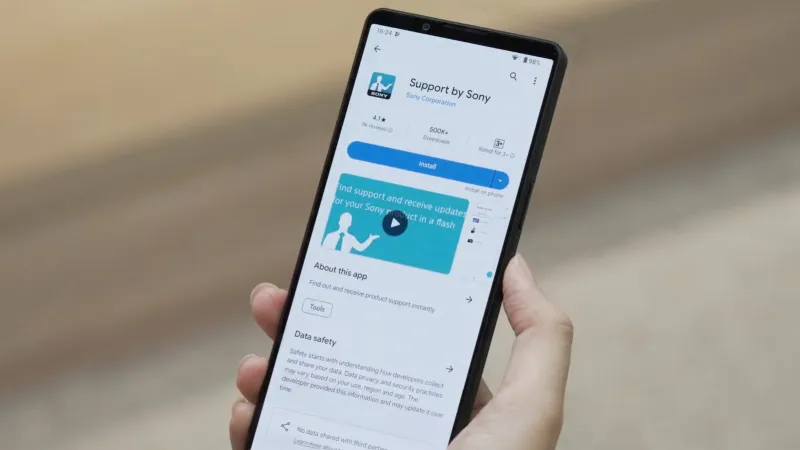
Tokyo (2026) – Sony Corporation is discontinuing its long-standing unified cross-product support application, compelling users to migrate to a fragmented ecosystem of dedicated alternatives after more than a decade of integrated service. This strategic shift, confirmed recently by company statements, marks a significant alteration in how consumers will manage their diverse array of Sony electronics, from headphones and cameras to gaming consoles.
The decision streamlines Sony's software strategy by aligning individual product lines with their bespoke applications, yet it poses an immediate challenge for millions of users accustomed to a single point of interaction. This change suggests a re-evaluation of user experience paradigms within the company, prioritizing specialized functionality over broad accessibility.
For over a decade, the unified application served as a central hub, enabling users to register products, access support, download firmware updates, and control various devices within the Sony ecosystem. Its discontinuation reflects a broader industry trend where technology companies constantly adapt their service offerings to evolving market demands and technological advancements.
Consumers will now be required to download and navigate multiple applications, each tailored to specific product categories, such as audio, imaging, or gaming. This fragmentation could lead to increased app clutter on mobile devices and a potentially less intuitive user journey, contrasting sharply with the previous consolidated approach.
Industry analysts suggest this move could be driven by a desire to optimize development resources, allowing teams to focus on distinct, feature-rich applications for specific hardware. It might also address compatibility issues that often arise in maintaining a single app across an ever-expanding and technologically diverse product portfolio.
While inconvenient for users, the change could theoretically lead to more refined and stable individual applications, free from the complexities of supporting disparate product types under one roof. This specialization might empower faster updates and more targeted feature development for each product line.
For instance, an owner of Sony Alpha cameras, WH-1000XM headphones, and a PlayStation console will now likely require at least three separate applications to manage firmware, settings, and connectivity for each device. This contrasts with a prior scenario where basic management tasks could often be handled through a singular interface.
Many other tech giants, including competitors in the consumer electronics space, often employ a similar strategy of dedicated applications for their diverse product offerings. Sony's move could be seen as aligning with these industry norms rather than pioneering a new user management philosophy.
As revolutionary technologies continue to integrate into daily life, user expectations for seamless, efficient device management remain high. The challenge for Sony will be to ensure that these new dedicated applications collectively offer an experience that is not just functional but also intuitive and highly responsive, mitigating any perceived regressions in convenience. The shift also highlights how consumer electronics companies continually adjust their strategies for product support and user engagement. For more insights into how technology shapes our lives, consider reading "Revolutionary Technologies Poised to Integrate Into Daily Life".
The coming months will reveal the full impact of Sony's app strategy overhaul on its user base and market perception. While the transition may initially inconvenience loyal customers, the long-term success of this approach will depend on the quality, usability, and stability of the new suite of dedicated applications. This evolution underscores the dynamic nature of consumer tech support in the modern era.