Demian Sahputra
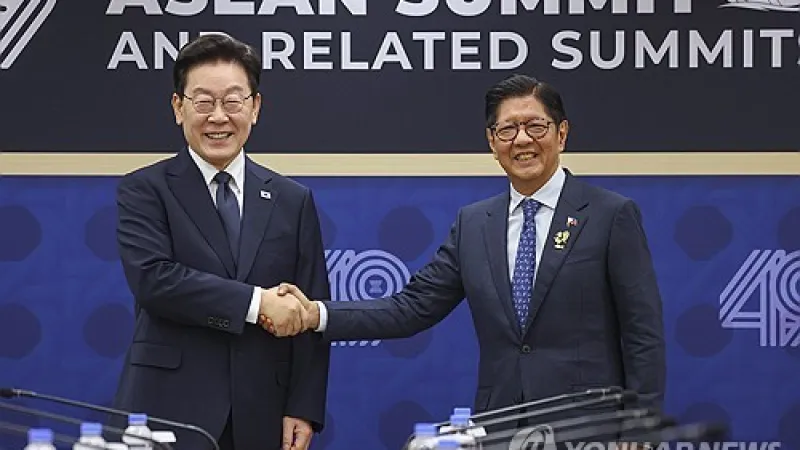
MANILA, Philippines — South Korean President Lee Jae Myung and Philippine President Ferdinand Marcos Jr. concluded a pivotal summit on November 16, solidifying a commitment to expand bilateral cooperation across the critical sectors of defense industry and artificial intelligence. The agreement, reached in the Philippine capital, underscores a concerted effort to enhance regional stability and accelerate technological advancement for both nations.
The strategic accord emerged as a cornerstone of President Lee Jae Myungs broader diplomatic engagement in Southeast Asia, aimed at strengthening alliances and fostering economic resilience. The discussions between the two leaders highlighted shared security concerns and the immense potential of collaborative innovation in emerging technologies.
Defense cooperation, a longstanding pillar of the South Korea-Philippines relationship, is poised for significant elevation under this new pact. This includes potential joint development projects, technology transfers, and enhanced training initiatives designed to modernize the Philippine armed forces and bolster its maritime defense capabilities.
Historically, Seoul has been a crucial provider of military hardware to Manila, including corvettes, frigates, and patrol vessels. This new agreement signals a shift toward a more integrated partnership, moving beyond mere transactional exchanges to strategic co-production and shared defense doctrines.
Artificial intelligence stands as the other crucial frontier for this enhanced partnership. Both leaders recognized AI as a transformative force with profound implications for national security, economic growth, and societal progress. The agreement seeks to establish frameworks for joint research and development, talent exchange, and the ethical deployment of AI technologies.
Such collaboration could involve sharing expertise in AI applications for surveillance, cybersecurity, disaster response, and smart city infrastructure. It also paves the way for academic and private sector partnerships, leveraging South Koreas technological prowess and the Philippines emerging digital economy.
The summit in Manila follows a trajectory of deepening ties between Seoul and its ASEAN partners, with President Lees diplomatic calendar emphasizing enhanced engagement across the region. Earlier initiatives included efforts to broaden economic ties and strategic alliances, as seen in the related article Seoul, Manila Deepen Strategic Alliance in Bilateral Summit.
President Marcos Jr. emphasized the Philippines commitment to diversifying its strategic partnerships and embracing technological advancements to safeguard national interests and drive economic development. The emphasis on the defense industry aligns with Manilas ongoing modernization program for its military.
The leaders also touched upon wider economic collaboration, seeking to identify new avenues for trade and investment. Both nations possess complementary strengths, with South Koreas advanced manufacturing and technological sectors finding potential synergies with the Philippines growing consumer market and skilled workforce.
Observers note that this agreement arrives at a time of evolving geopolitical dynamics in the Indo-Pacific, where technological superiority and robust defense capabilities are increasingly vital. The enhanced South Korea-Philippines cooperation serves as a testament to their shared vision for a secure, prosperous, and technologically advanced future.
This strategic alignment builds upon President Lees previous engagements, including his critical diplomatic tour focused on ASEAN and APEC Economic Diplomacy, underscoring Seouls proactive approach to regional leadership and partnership building. The commitment to AI also resonates with global trends, where nations are increasingly seeking to collaborate on this rapidly evolving technology to mitigate risks and maximize benefits.
The implications of this deepened partnership extend beyond immediate military and technological gains, fostering greater interoperability and mutual understanding between the two nations armed forces and scientific communities. It also signals a robust diplomatic relationship capable of addressing complex contemporary challenges.