 Dodi Irawan
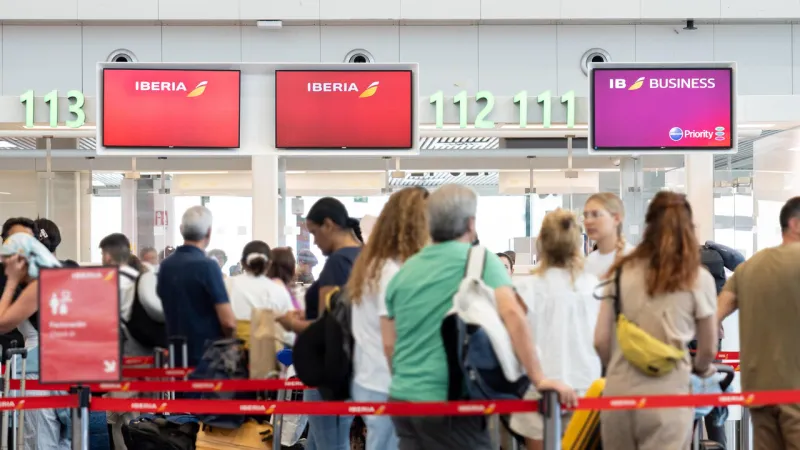
Spanish authorities initiated sample police checks on travelers arriving from Italy, a move announced by the Sanchez government yesterday in direct retaliation for similar measures previously adopted by Rome following the recent migration crisis in Ceuta.
This tit-for-tat escalation marks a deepening diplomatic rift between the two Mediterranean nations, both frontline states grappling with substantial migratory flows into the European Union. Spain's decision directly mirrors Italy's earlier implementation of stricter controls.
The original Italian measures were a response to the significant influx of migrants, primarily from Morocco, into the Spanish enclave of Ceuta, which then placed considerable strain on Spain's resources and border management. Italy argued its actions were necessary to prevent a ripple effect across the Schengen zone.
Spanish police are conducting random, targeted checks at various entry points for individuals arriving from Italy. While specific details on the scope and duration remain fluid, the intent is clear: to send a strong political message regarding sovereign border control.
The European Union has voiced concern over the burgeoning dispute, with officials in Brussels emphasizing the critical importance of mutual trust among member states. "Confidence between states is the most precious resource," an unnamed EU representative stated, underscoring the potential fragmentation these unilateral actions could foster.
Such bilateral actions directly challenge the spirit and practical application of the Schengen Agreement, which permits free movement across internal European borders. Analysts suggest that a prolonged impasse could set a troubling precedent for intra-EU relations on migration policy.
The escalating controls risk straining diplomatic ties further, potentially impacting cooperation on other pressing EU agenda items. Both Spain and Italy are significant players in the Mediterranean region, and their discord carries weight within the broader bloc.
This friction echoes past disputes over migration responsibilities, particularly regarding disembarkation ports and the relocation of asylum seekers. Member states often find themselves at odds when managing the shared challenge of irregular migration.
Italy, under its current administration, has maintained a firm stance on border security and burden-sharing, advocating for greater European solidarity in managing arrivals. This hardened posture comes amid a period of heightened domestic political debate, including recent controversies surrounding historical commemorations. Marcinelle Commemoration Sparks Fierce Italy Political Clash.
Meanwhile, the Spanish government has consistently called for a comprehensive European approach to migration, stressing shared responsibility rather than isolated national responses. The retaliatory checks underscore its frustration with perceived inconsistencies in this shared framework.
European leaders are likely to urge both Madrid and Rome to engage in direct dialogue to de-escalate the situation. The integrity of the Schengen Area and the principle of solidarity remain paramount, especially as external pressures on Europe's borders persist.