Angela Stefani
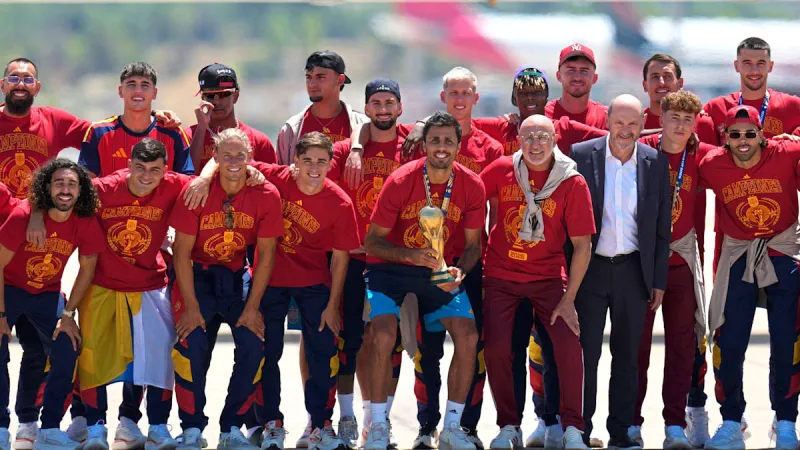
Madrid erupted in a wave of vibrant celebrations following Spain's latest Football World Cup victory, a hard-fought triumph against Argentina. Fans and the national team converged on the capital, marking a historic achievement that solidifies Spain's place at the pinnacle of international football. This victory, described as a perfect blend of talent and strategy, has prompted widespread analysis regarding its foundational elements.
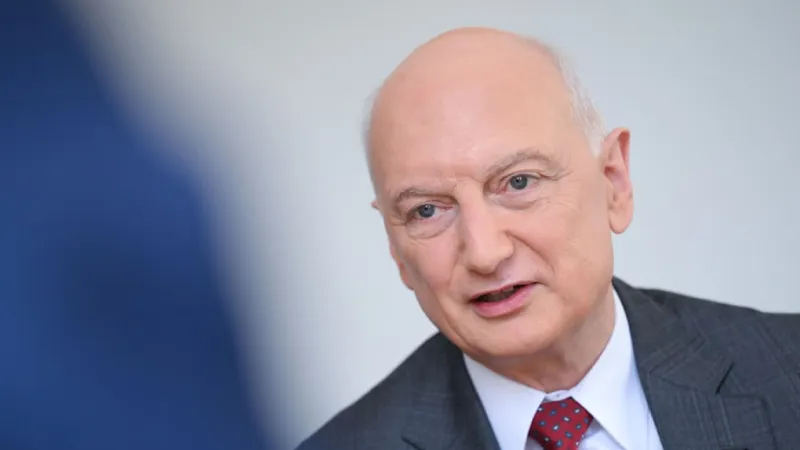
Sports journalist Walter M. Straten succinctly captured the essence of Spain's success. “You simply have a perfect mix without a superstar,” Straten stated, emphasizing the collective strength that defined the champions. This perspective challenges the modern football narrative often dominated by individual celebrity, highlighting instead the profound benefits of integrated team play.
The decisive final against Argentina showcased a masterclass in tactical discipline and fluid passing, hallmarks of Spanish football. While specific details of the match remain a point of proud recollection for supporters, the outcome was undeniable: Spain once again hoisted the coveted trophy, cementing its status as a formidable force on the global stage.
In the aftermath of the final whistle, celebratory scenes unfolded rapidly across Madrid. Thousands of supporters, draped in national colors, filled public squares, their cheers echoing through the historic streets. The team's open-top bus parade became a focal point of national pride, allowing players to share the joyous moment directly with their adoring public.
At the core of this sustained excellence, many experts point to FC Barcelona's legendary youth academy, La Masia. Straten further underscored this link, remarking, “Youth development at FC Barcelona is the heart of the success.” This institution has long been renowned for nurturing young talent, imparting not only technical skills but also a deep understanding of possession-based football and strategic awareness.
La Masia's philosophy transcends mere athletic training; it instills a coherent playing style and a strong sense of team identity from an early age. Generations of players, many of whom have gone on to represent Spain at the highest level, have emerged from its ranks, embodying a distinct footballing culture that prioritizes intelligence and collective synergy.
This triumph represents Spain's second World Cup title, a significant milestone that solidifies its modern footballing legacy. The consistency in producing world-class players, often without the exorbitant transfer fees associated with other top nations, stands as a testament to the long-term investment in grassroots development. Reports from Rome also indicated widespread celebrations following this momentous victory. The superstar-less approach fosters a meritocracy where tactical understanding and teamwork are paramount.
The success of the national team, largely composed of players who have matured through similar development pathways, sends a powerful message to the international football community. It demonstrates that sustained dominance can be built upon a robust domestic infrastructure rather than solely relying on purchased star power. This model presents a compelling alternative for nations aspiring to global footballing pre-eminence.
Looking ahead, the challenge for Spanish football will be to maintain this fertile ground for talent. The principles of La Masia and similar academies across Spain will be crucial in ensuring a continuous pipeline of players capable of competing at the highest echelons. This recent Football World Cup victory serves not as a culmination, but as a reaffirmation of a successful, deeply ingrained footballing philosophy.
The celebration in Madrid was not merely for a trophy; it was for a system, a philosophy, and a generation of athletes who proved that collective brilliance can indeed outshine individual flair. This era of Spanish football, driven by homegrown talent, offers a blueprint for future generations and a reminder of the enduring power of foundational investment in sport.